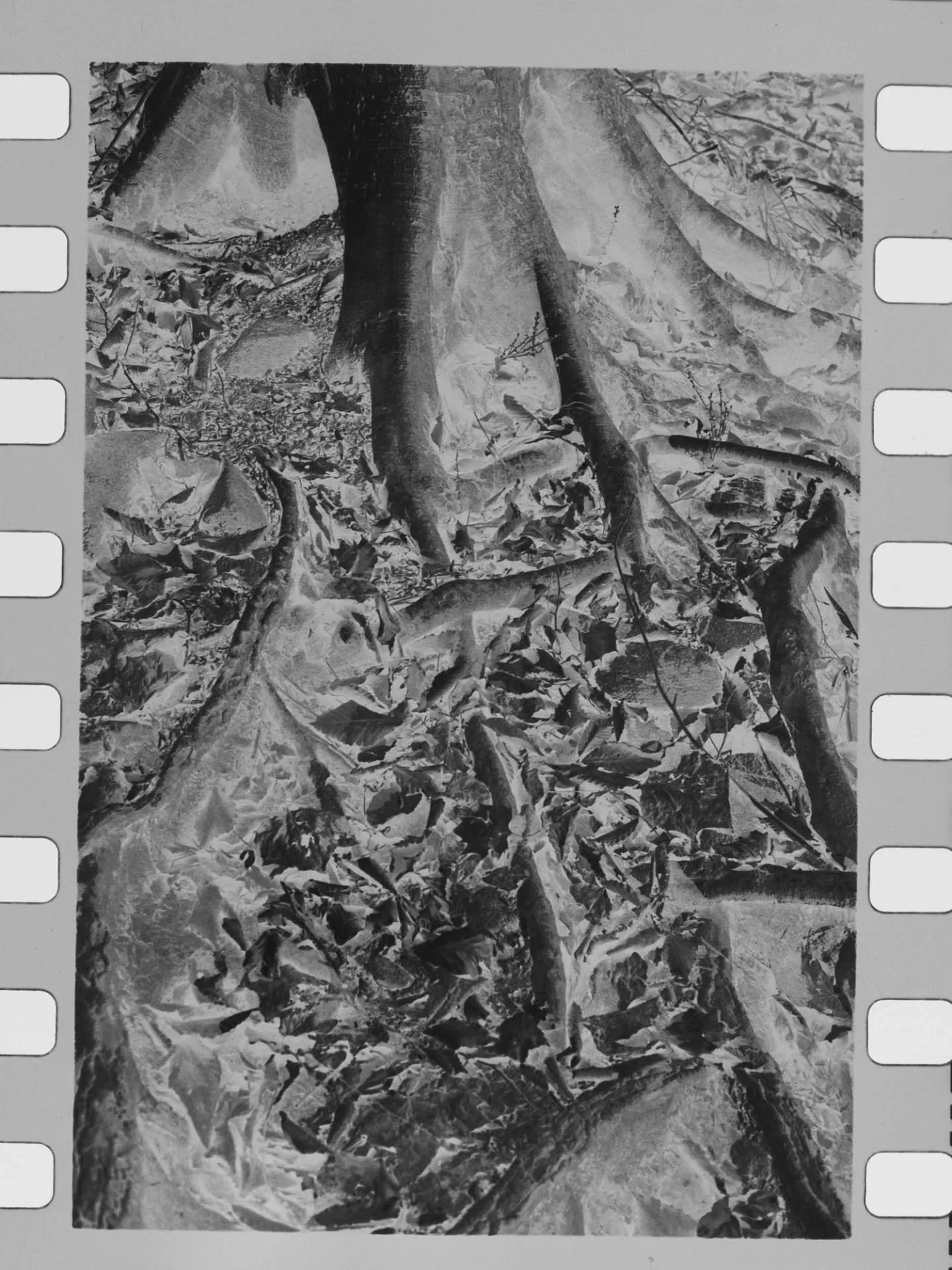
Documenting NASA's OSAM-1 spacecraft Integration and testing phase
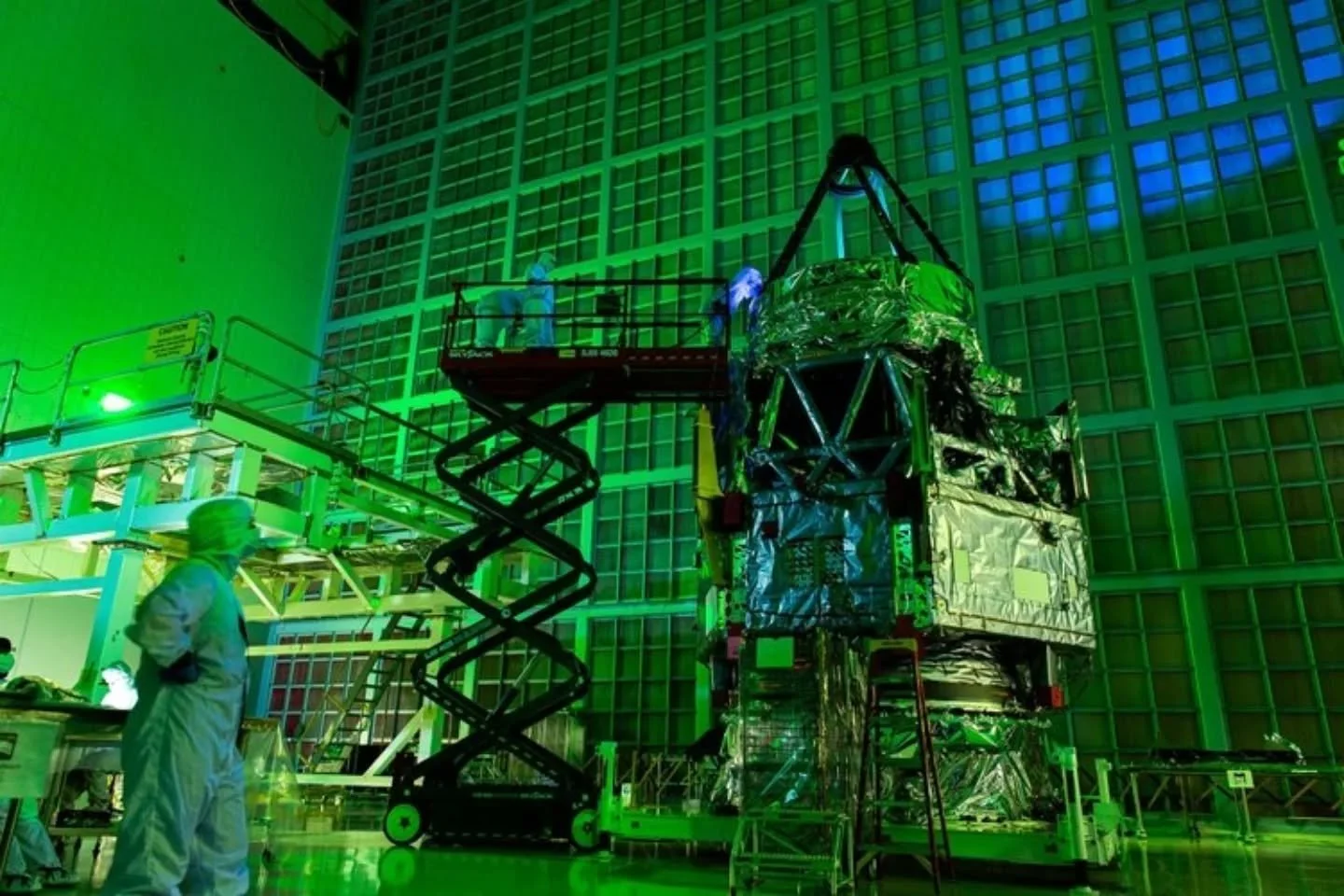
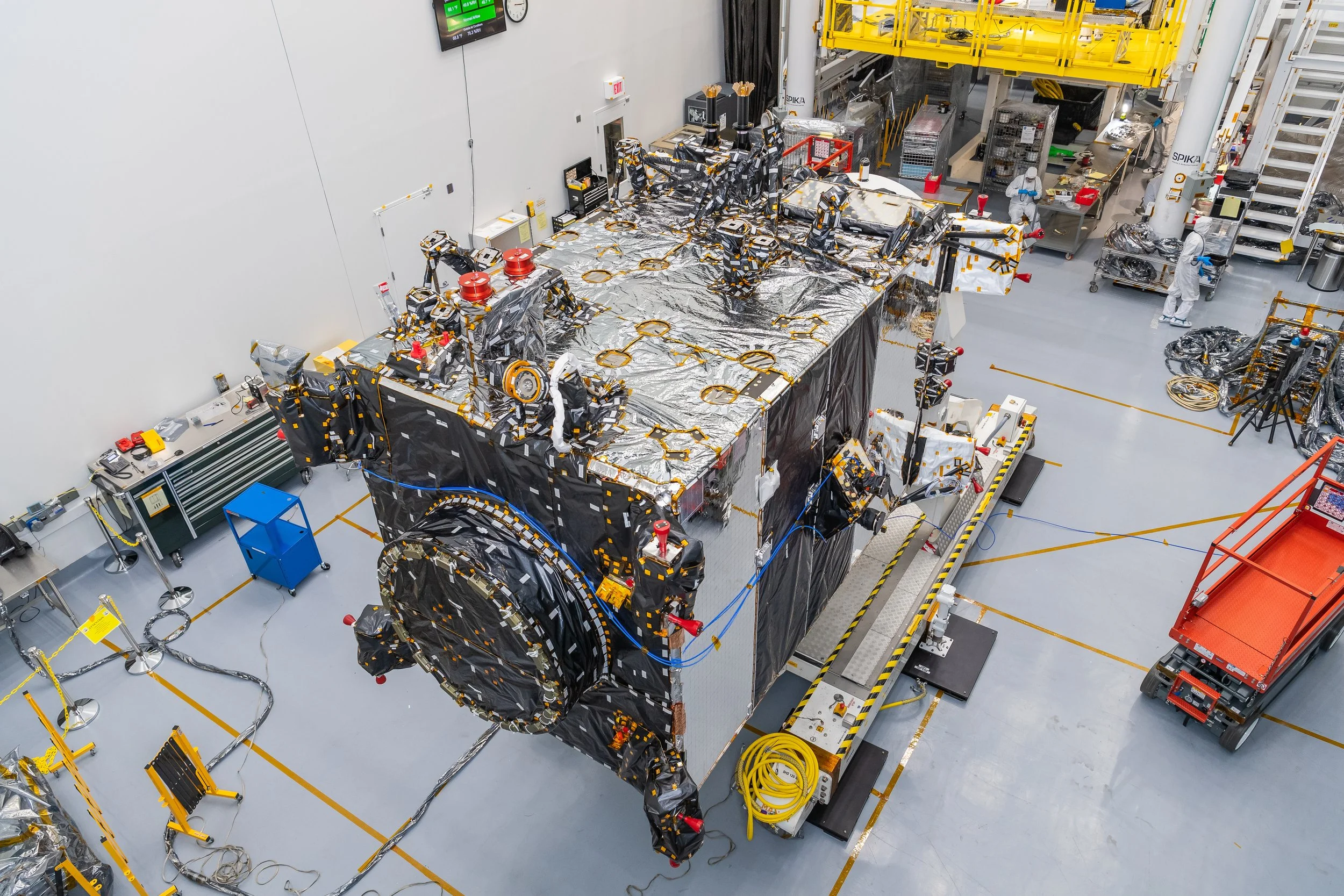
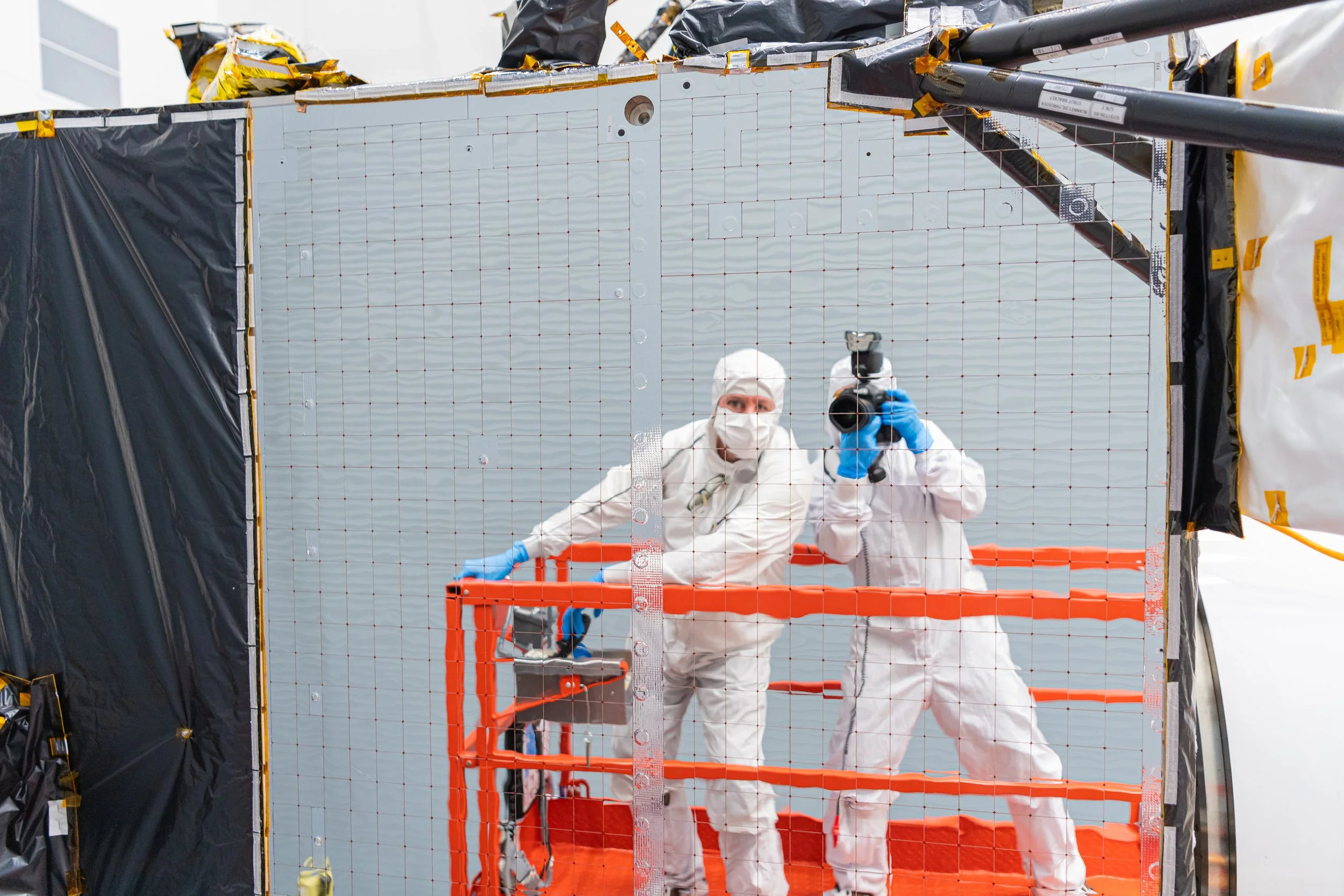
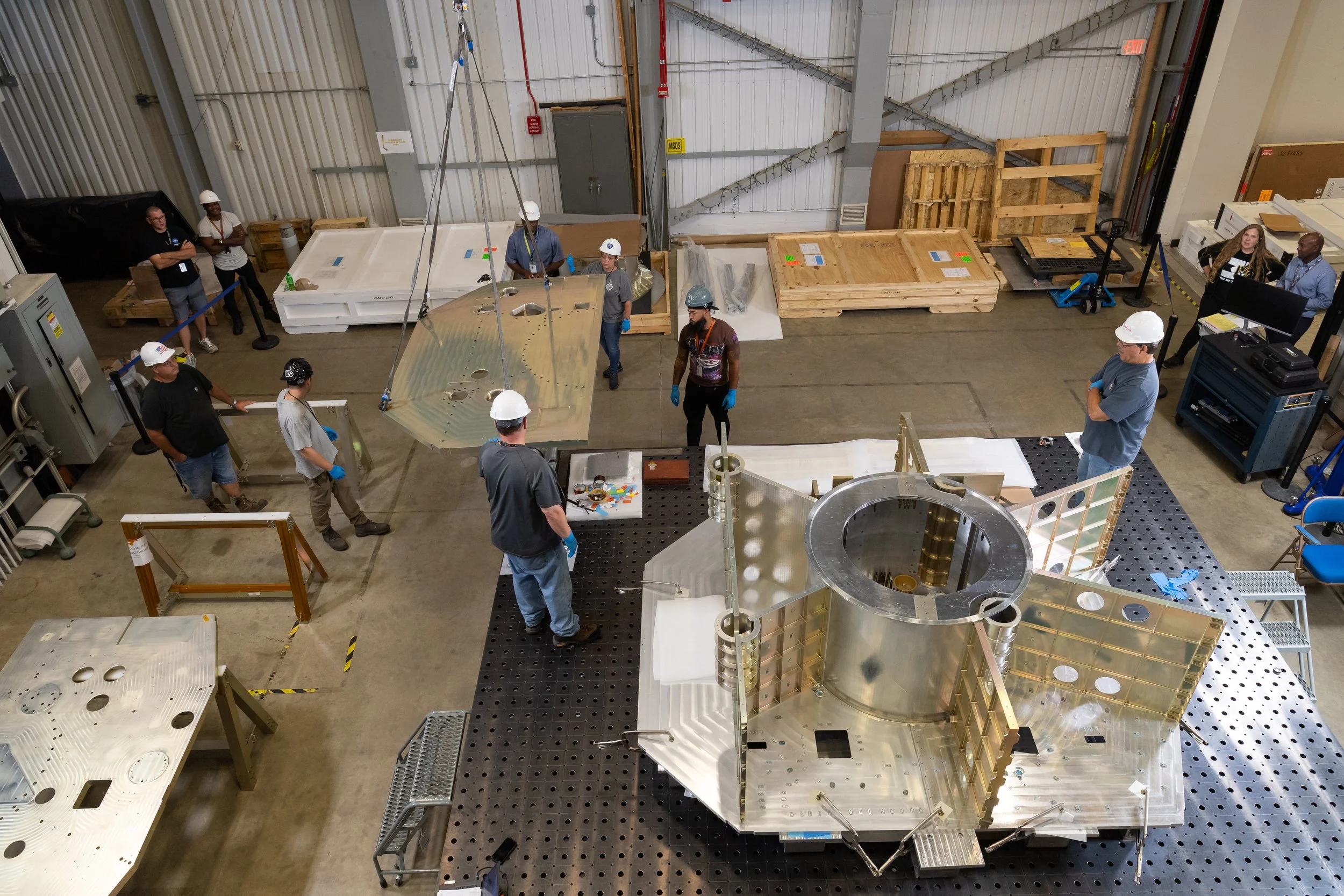
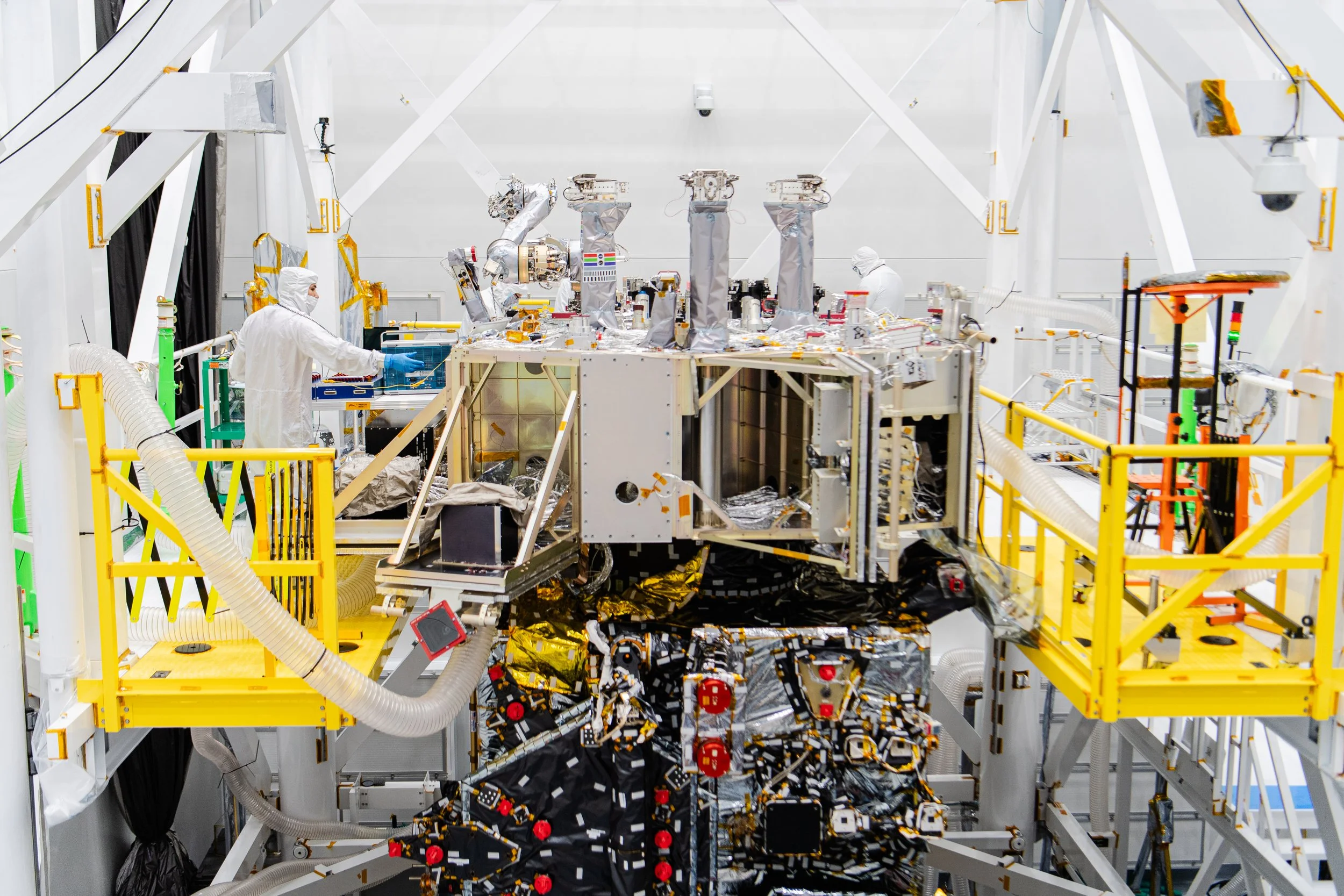
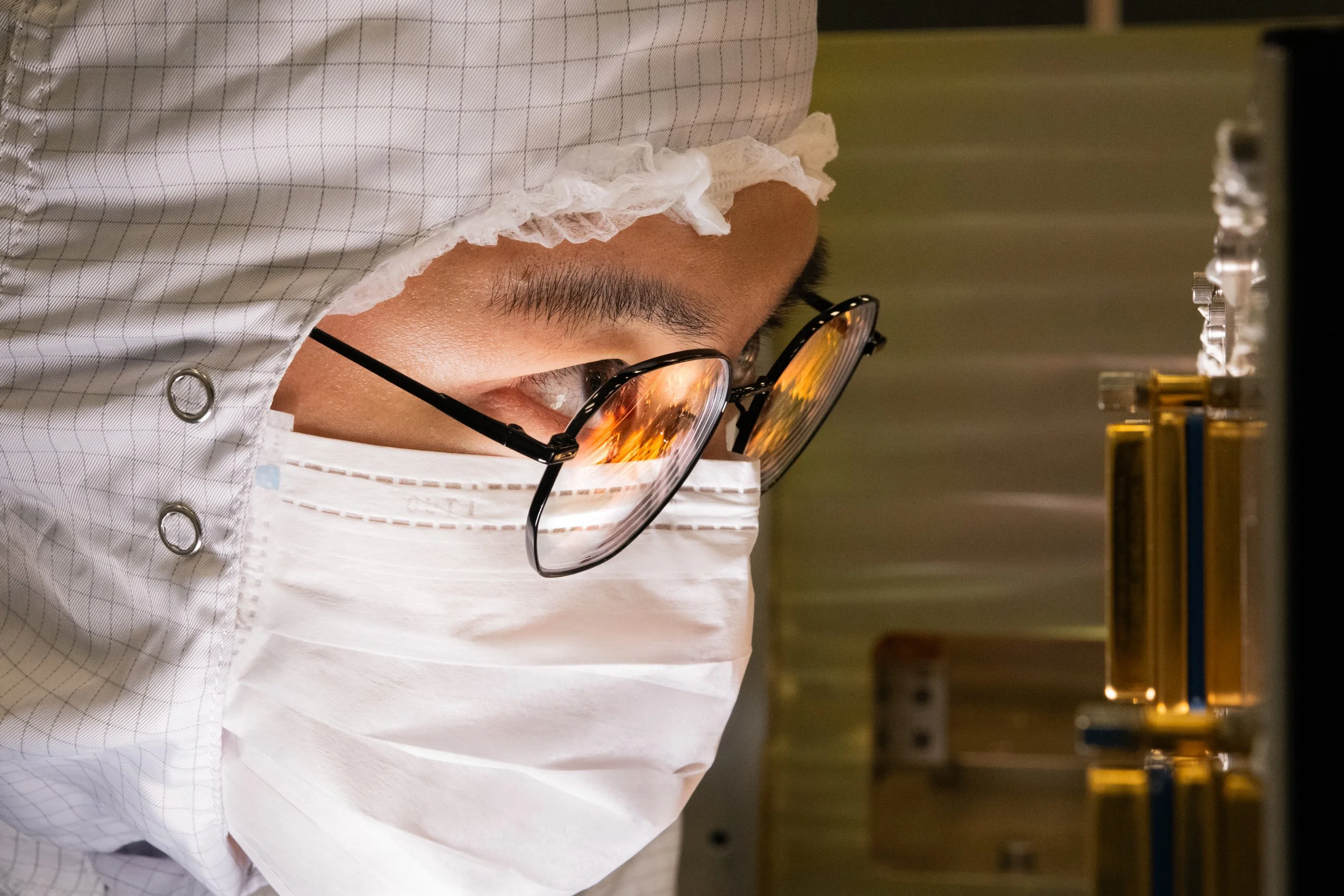
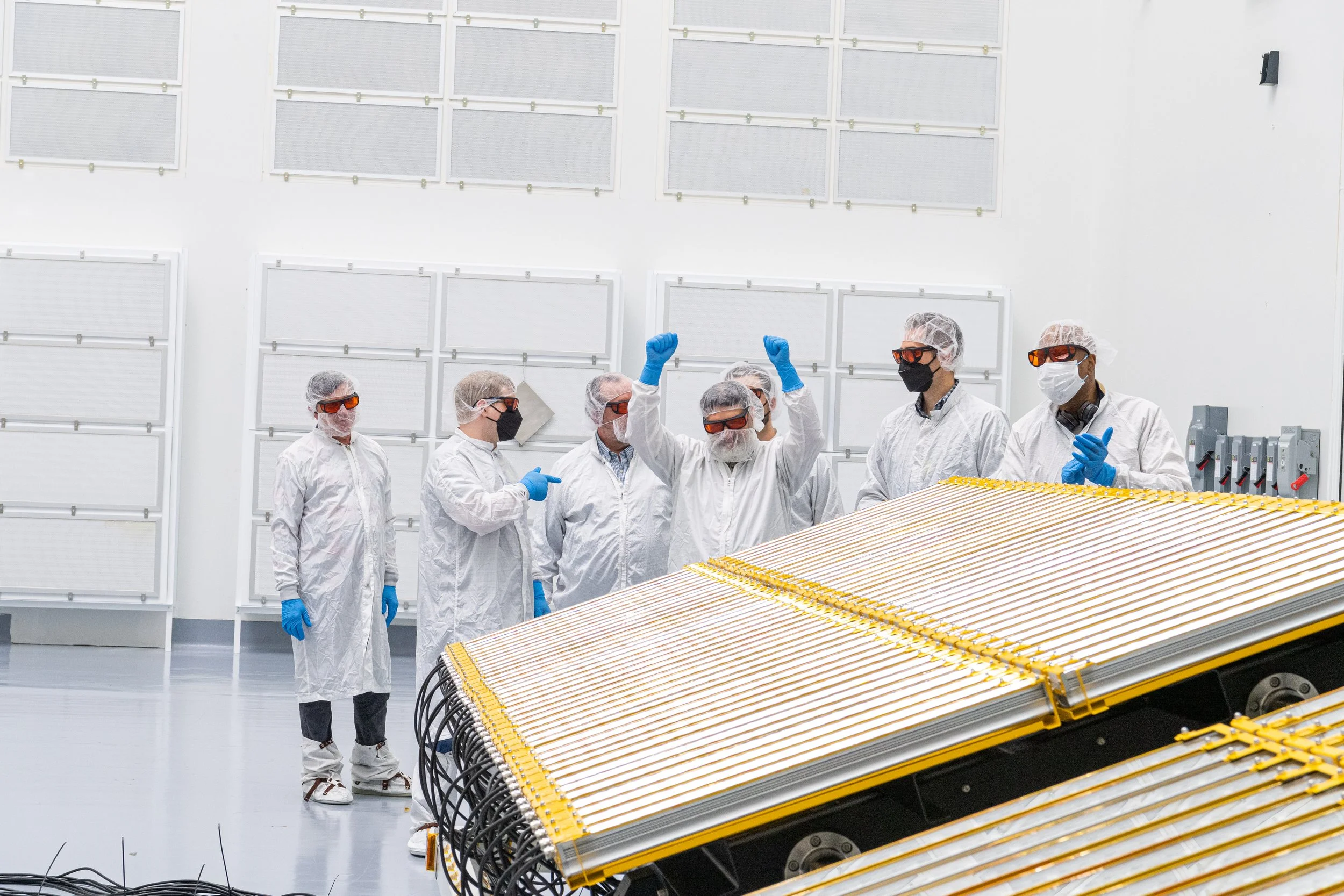
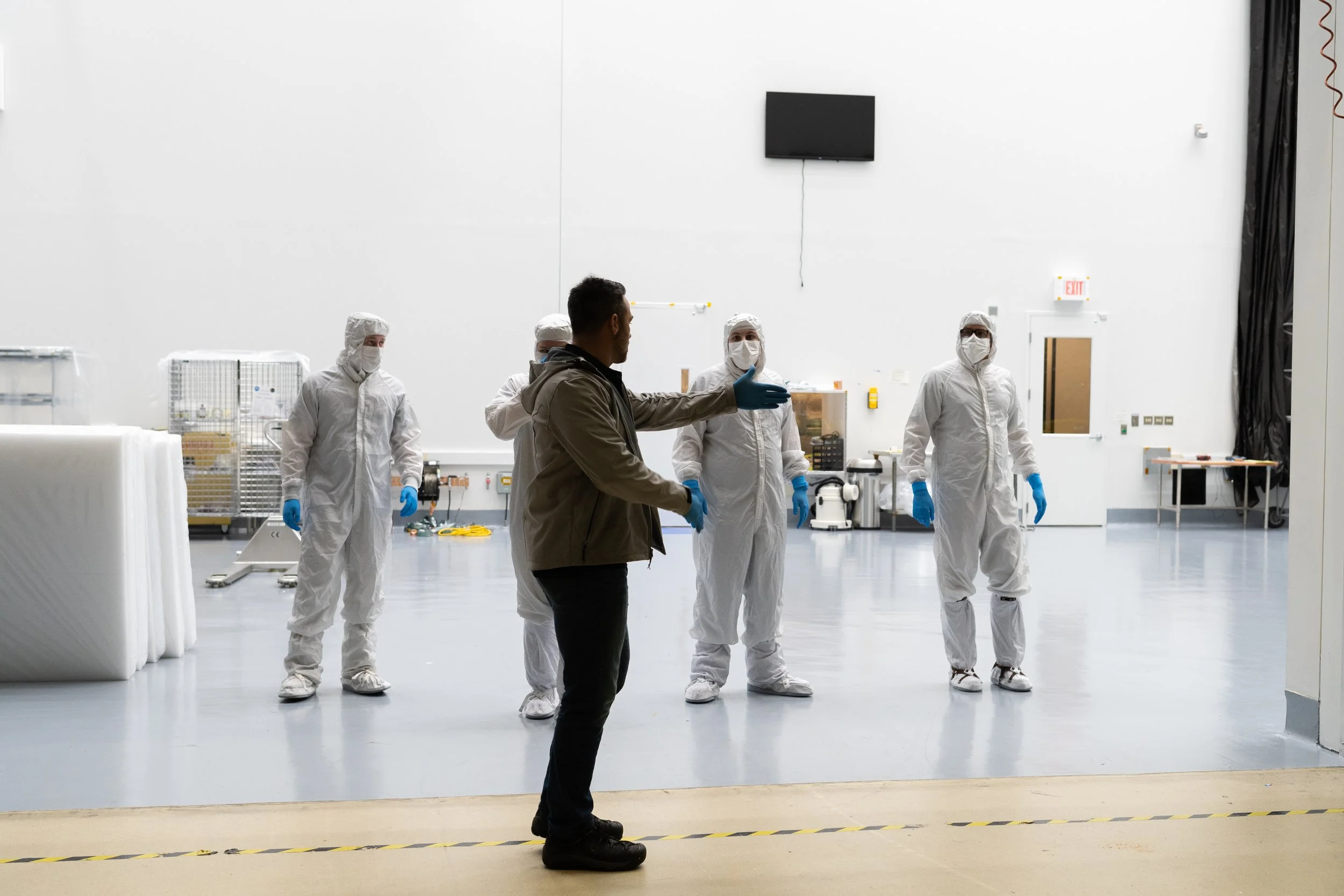
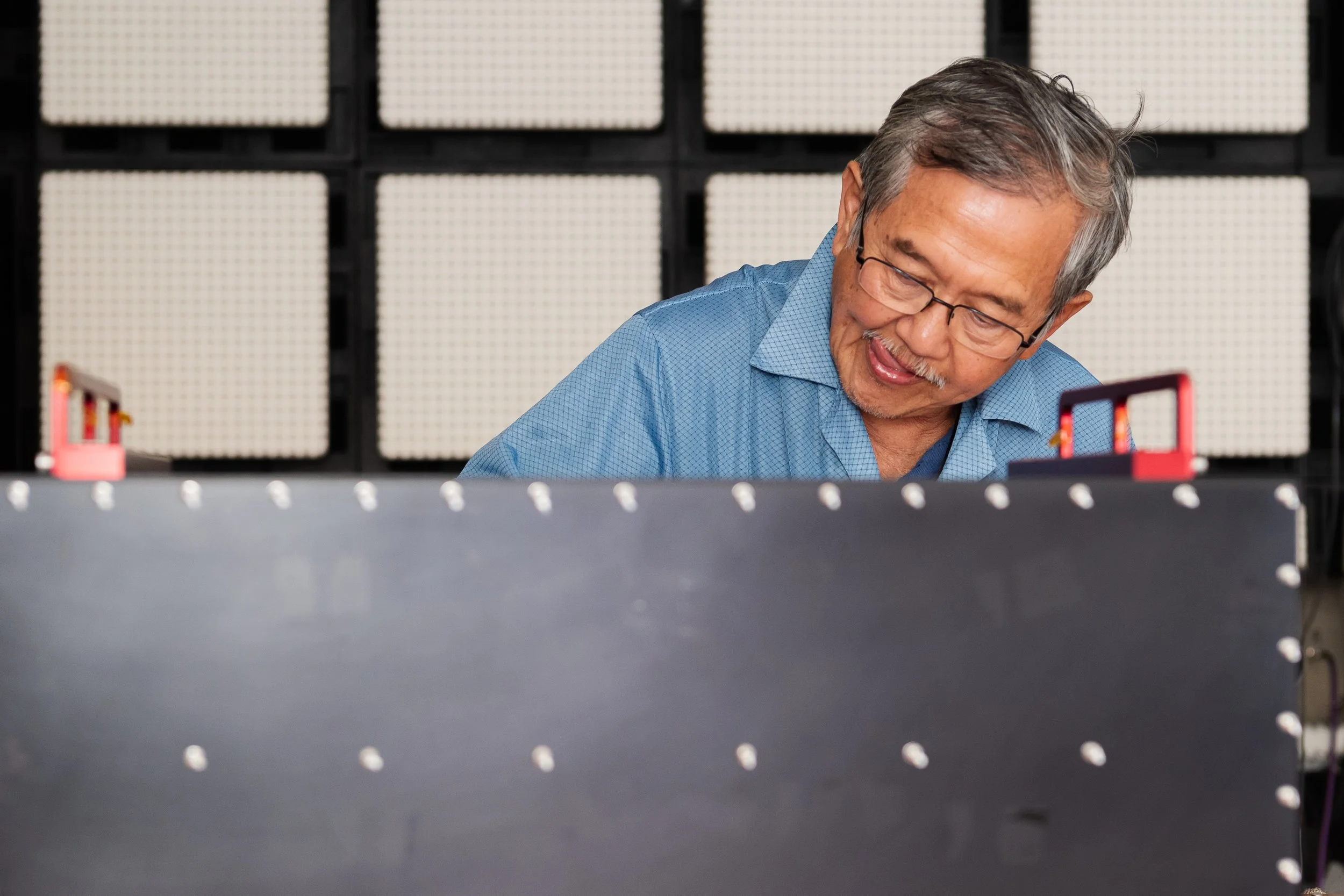
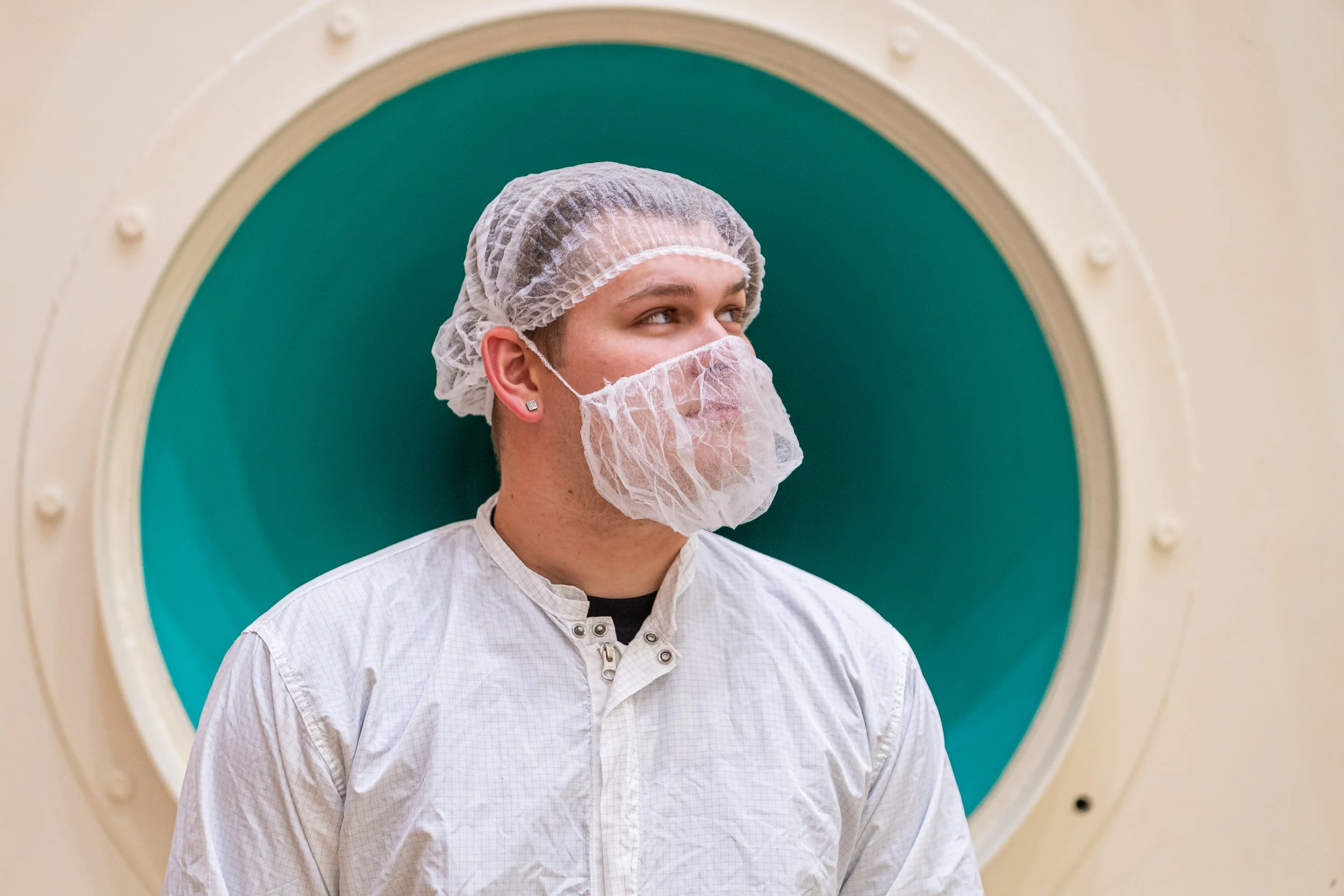
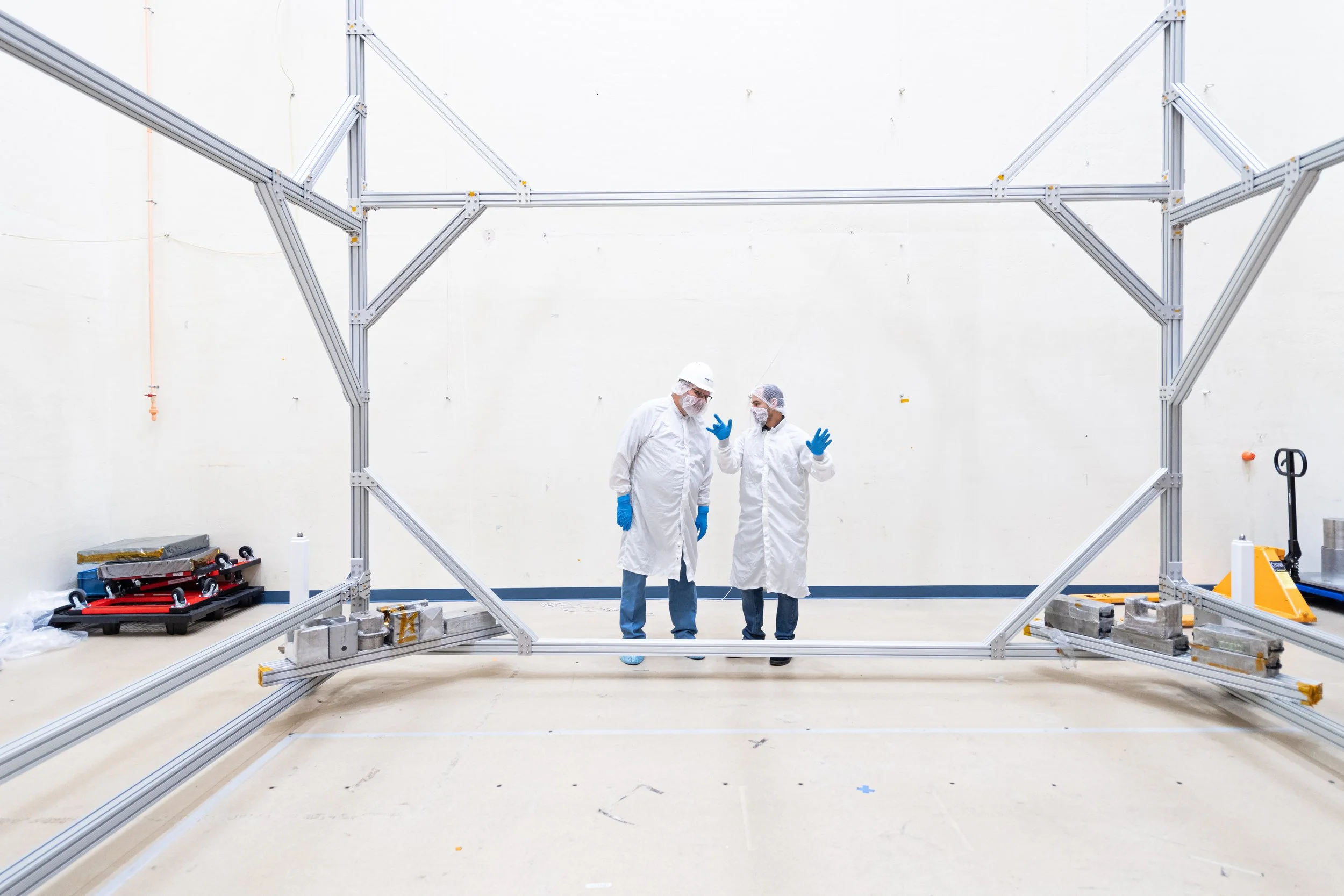
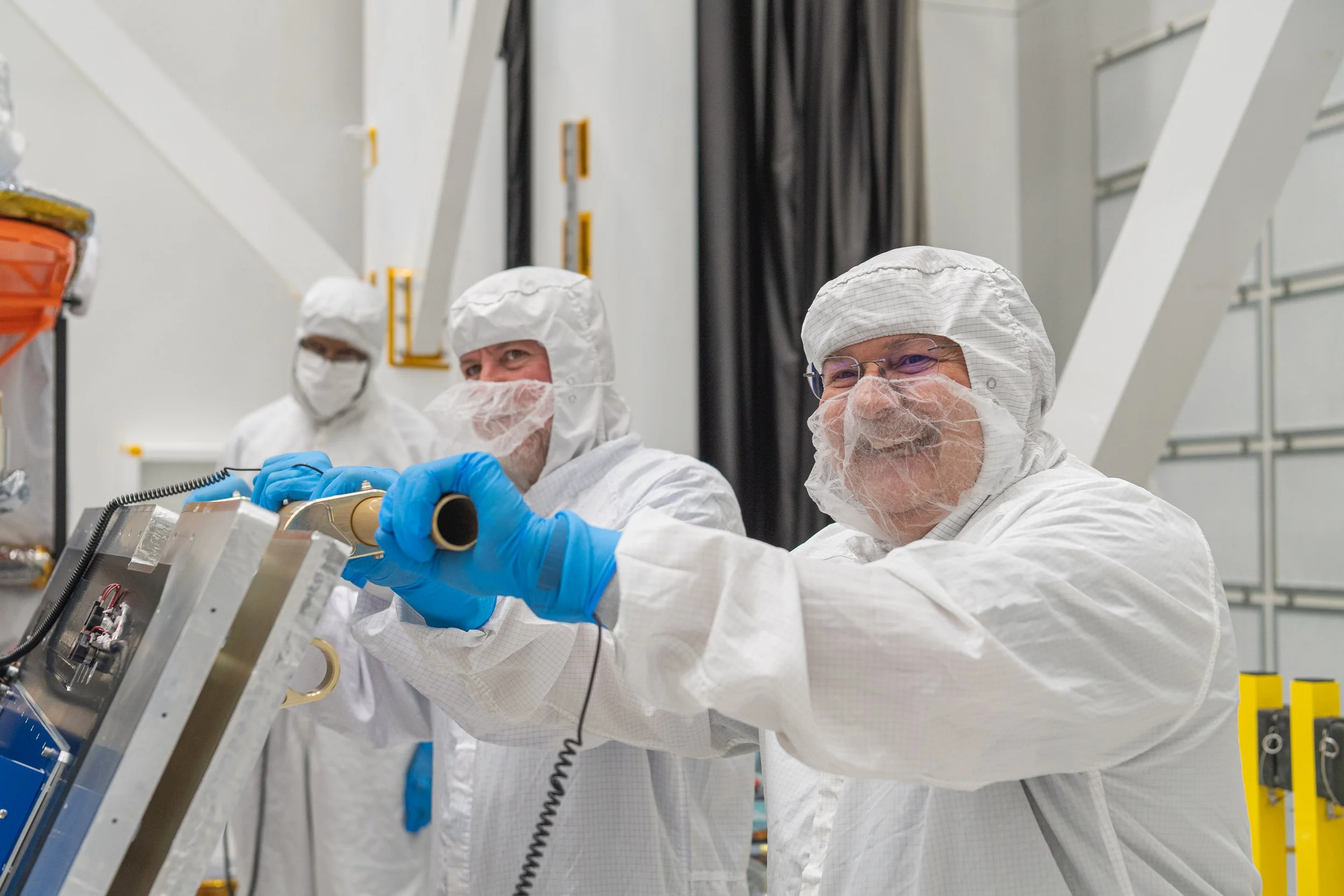
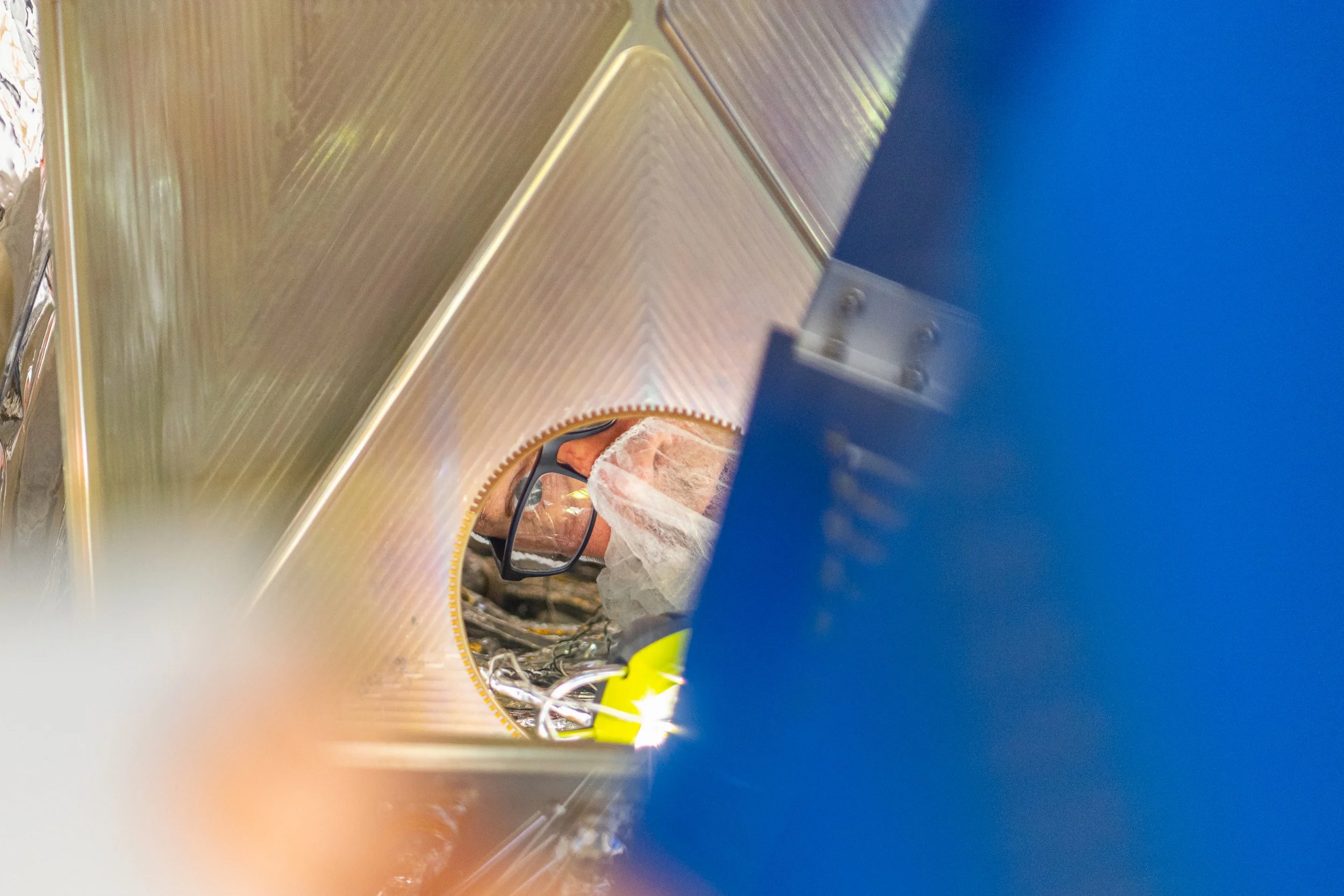
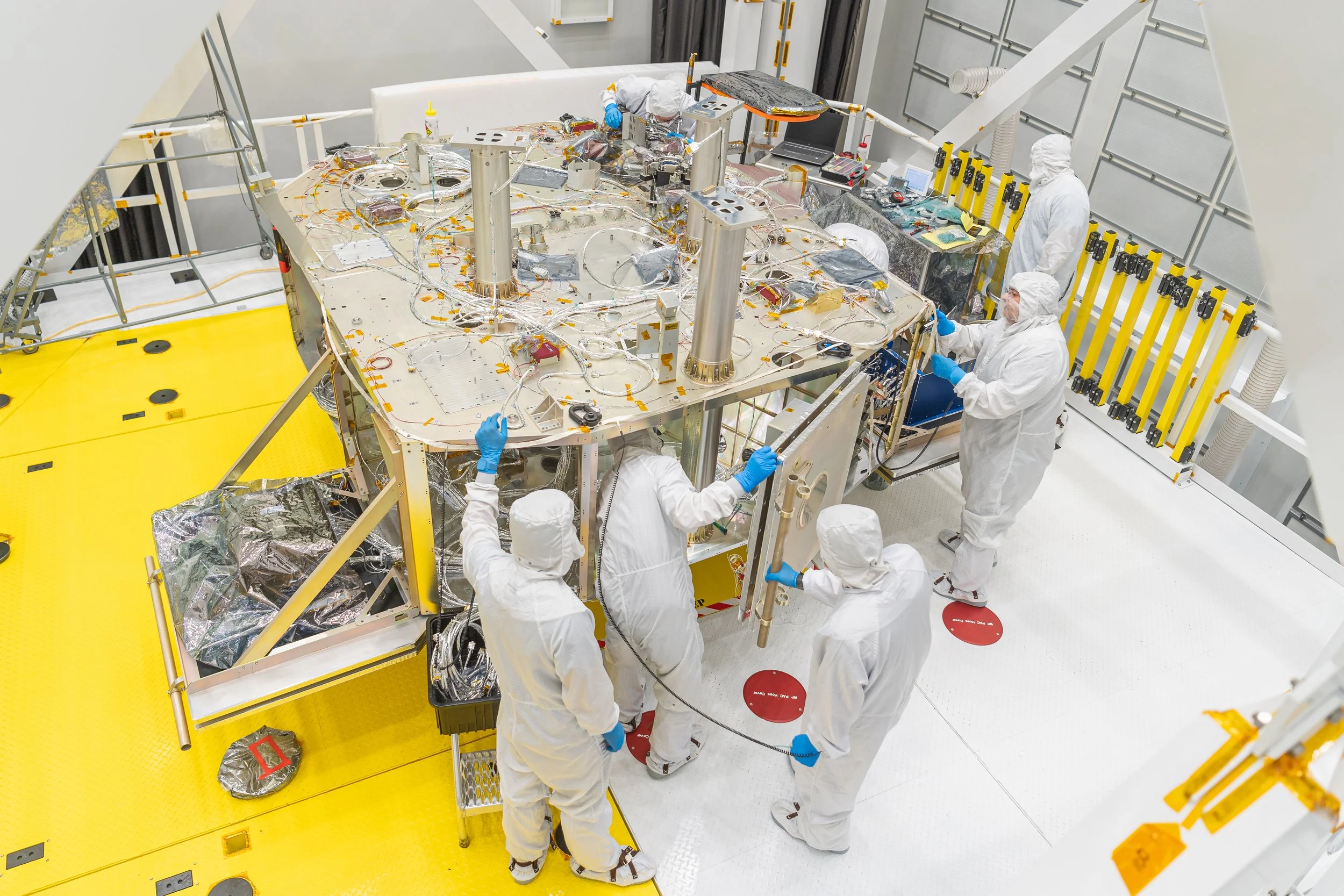
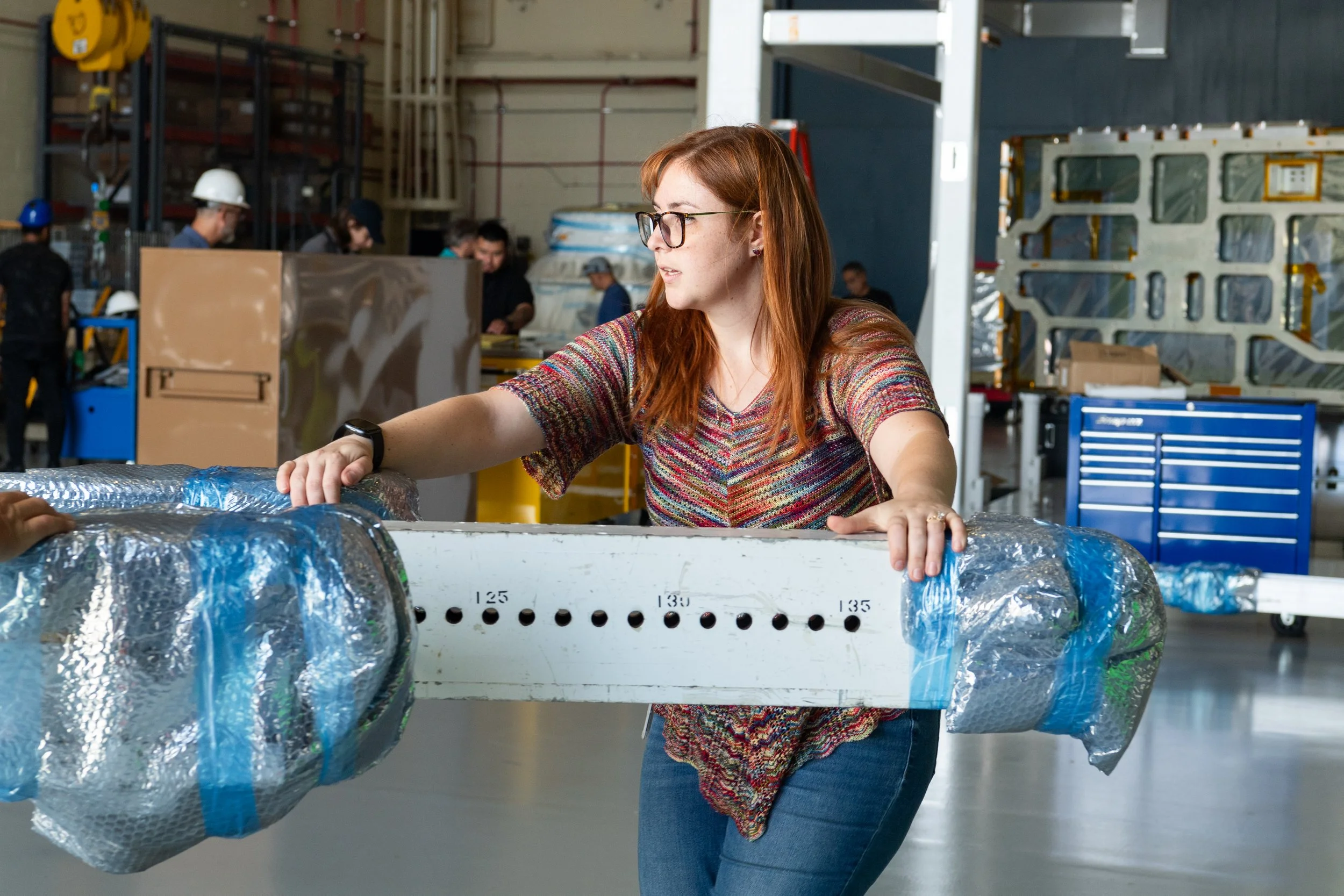
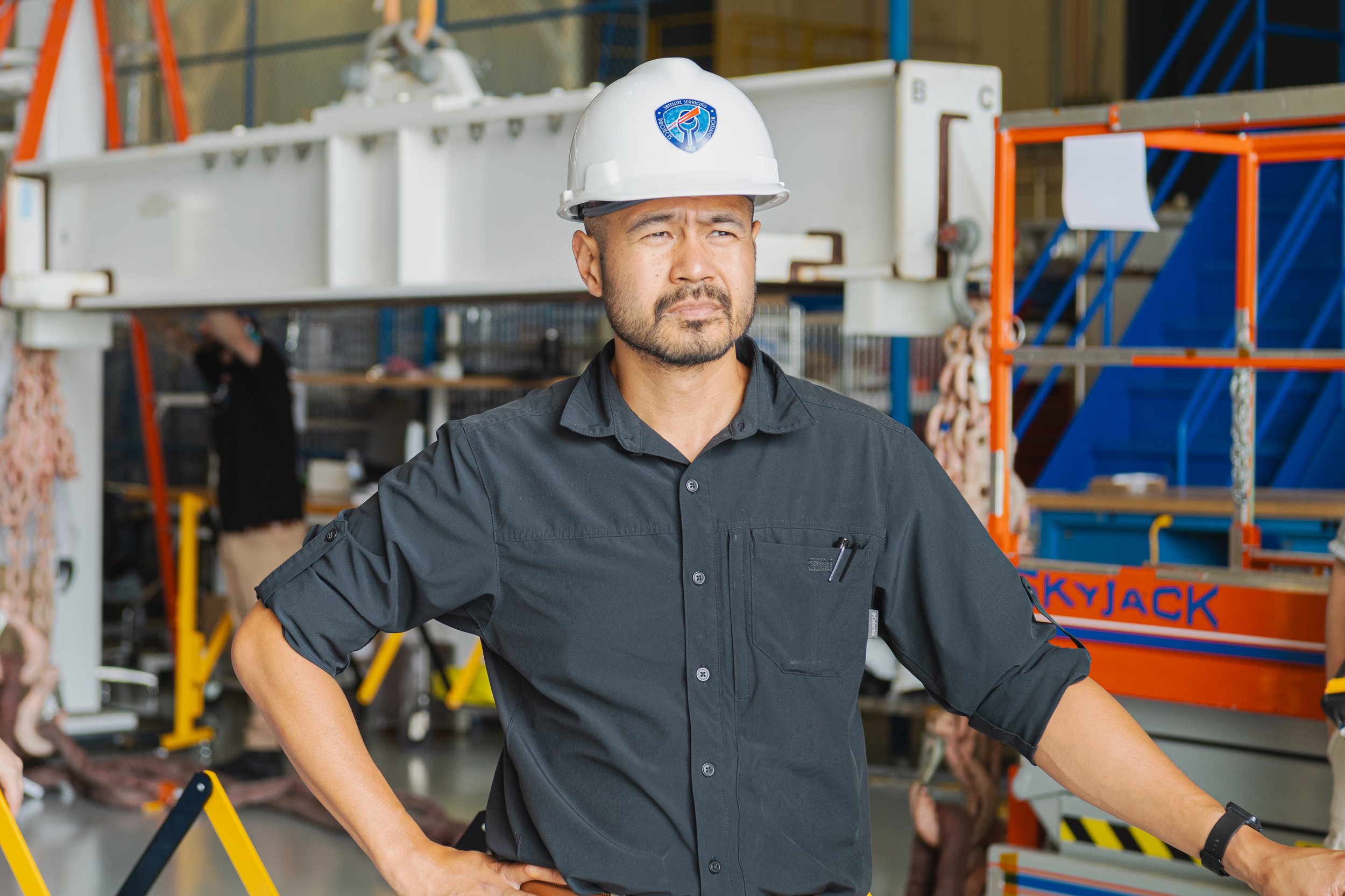
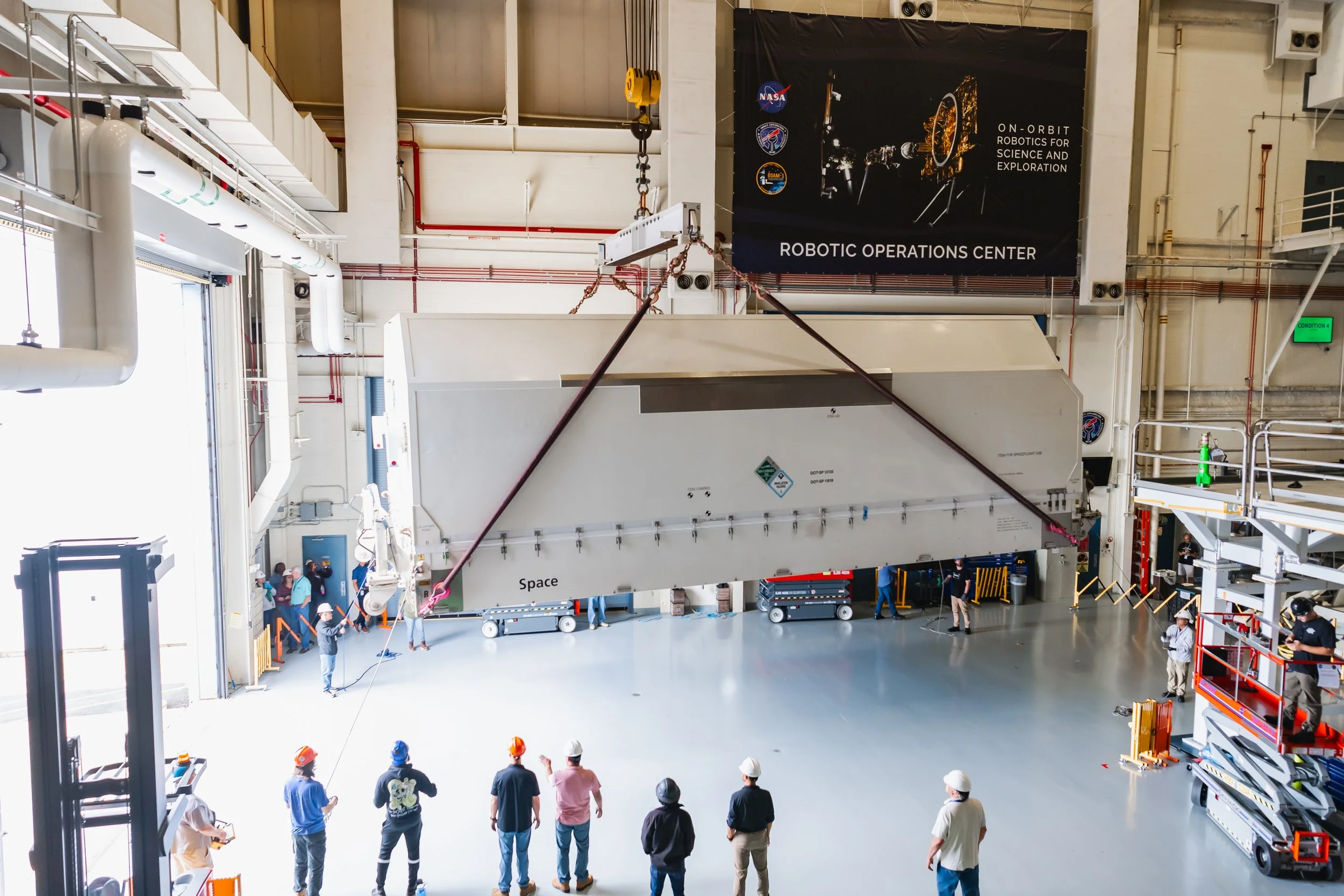
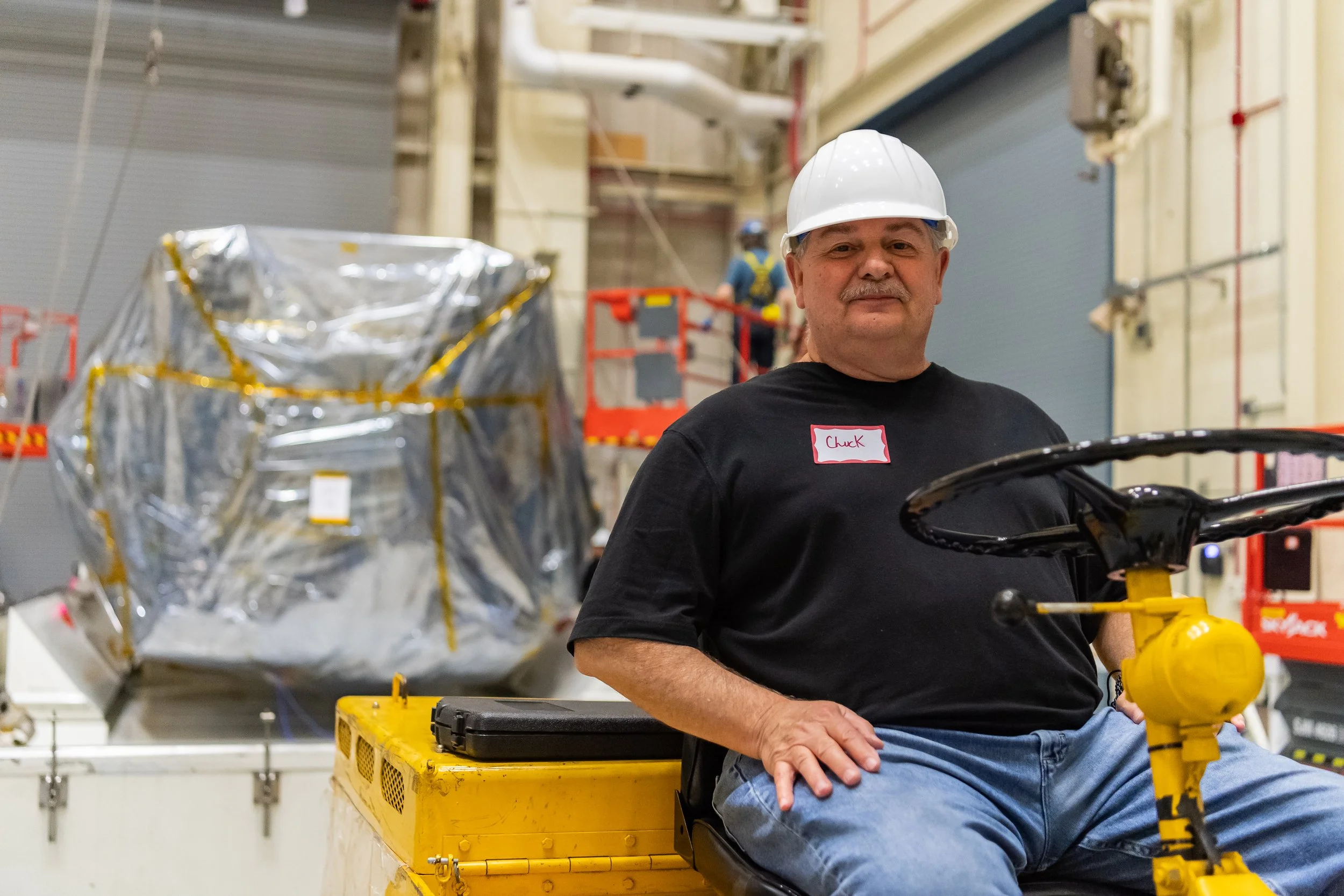
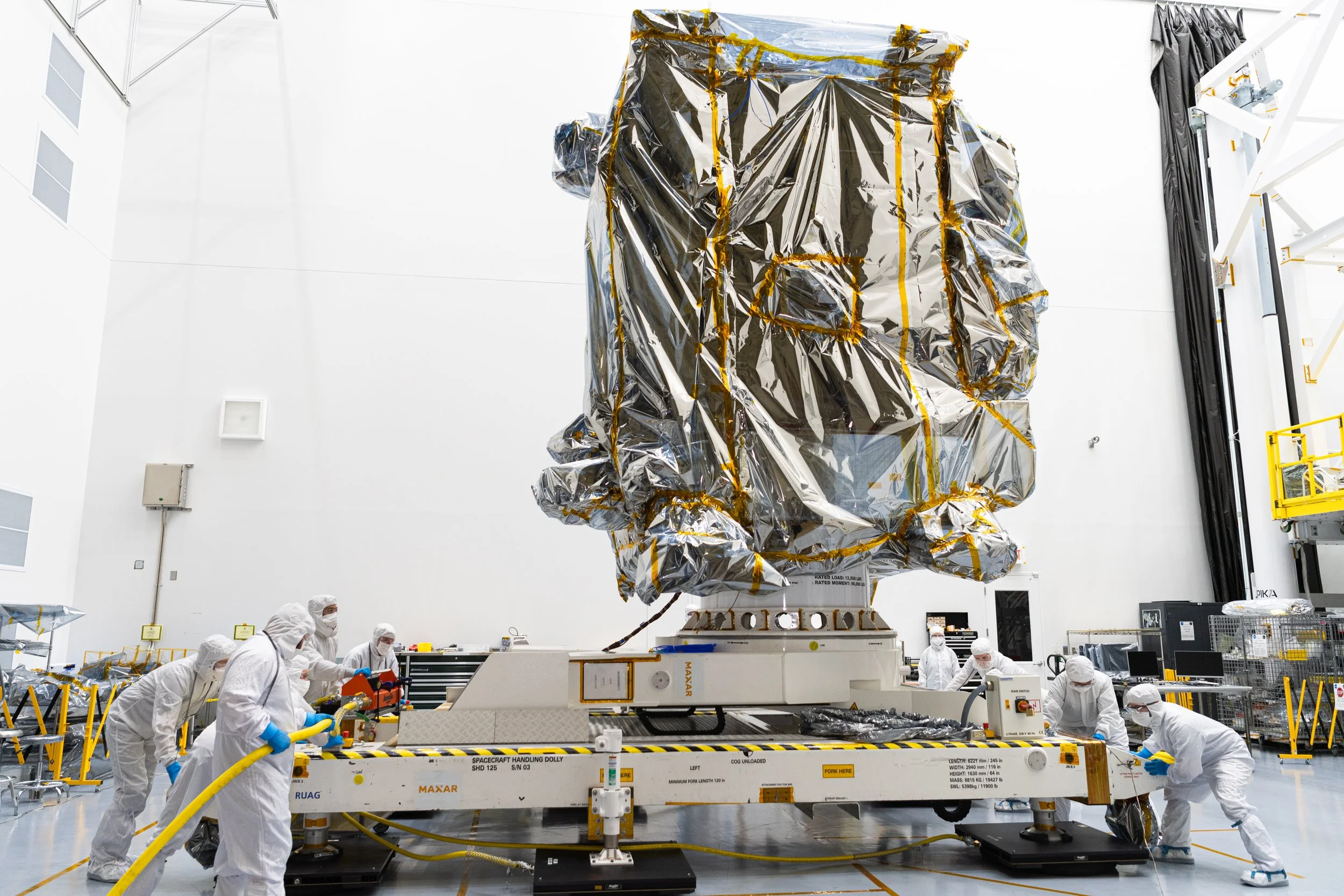
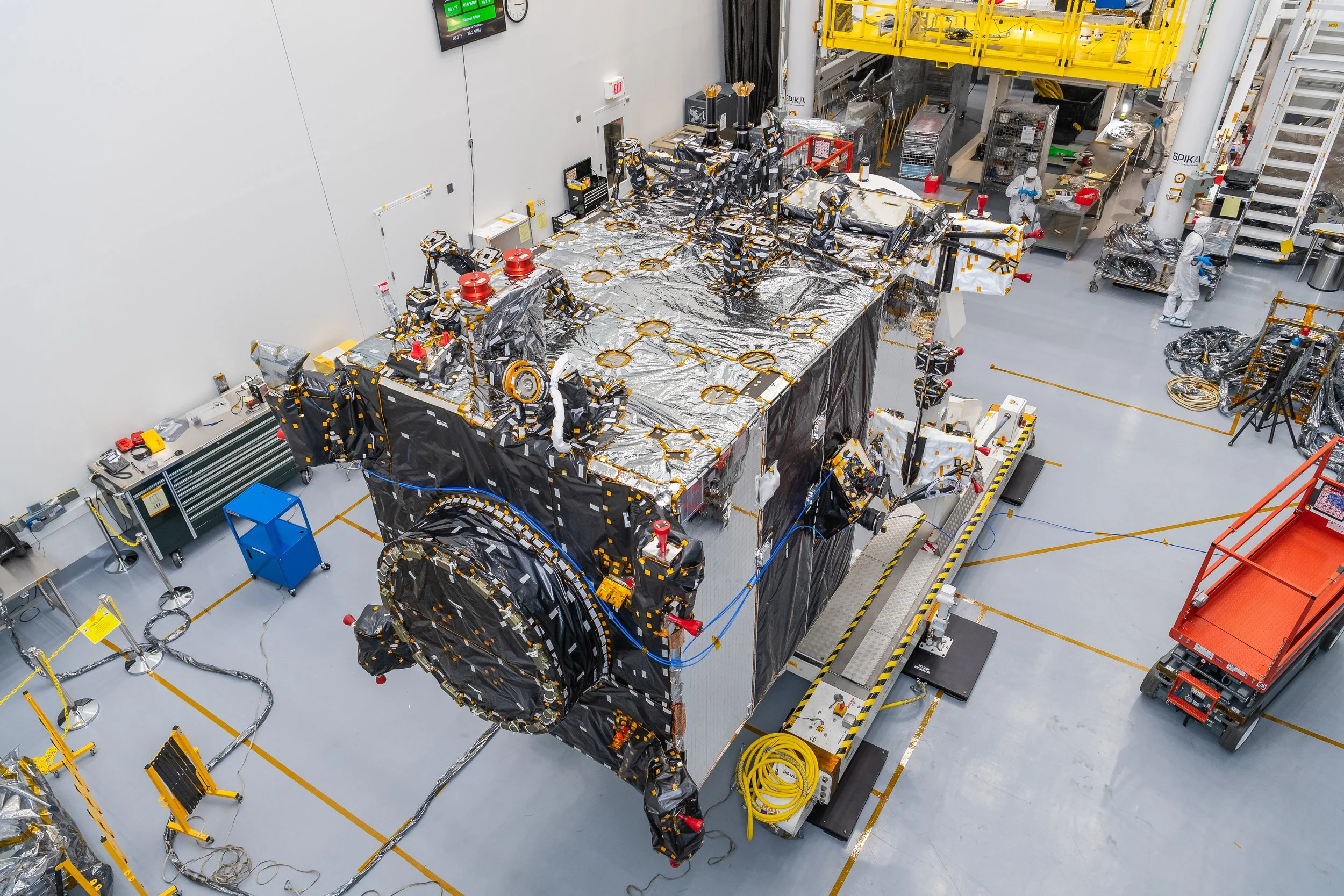
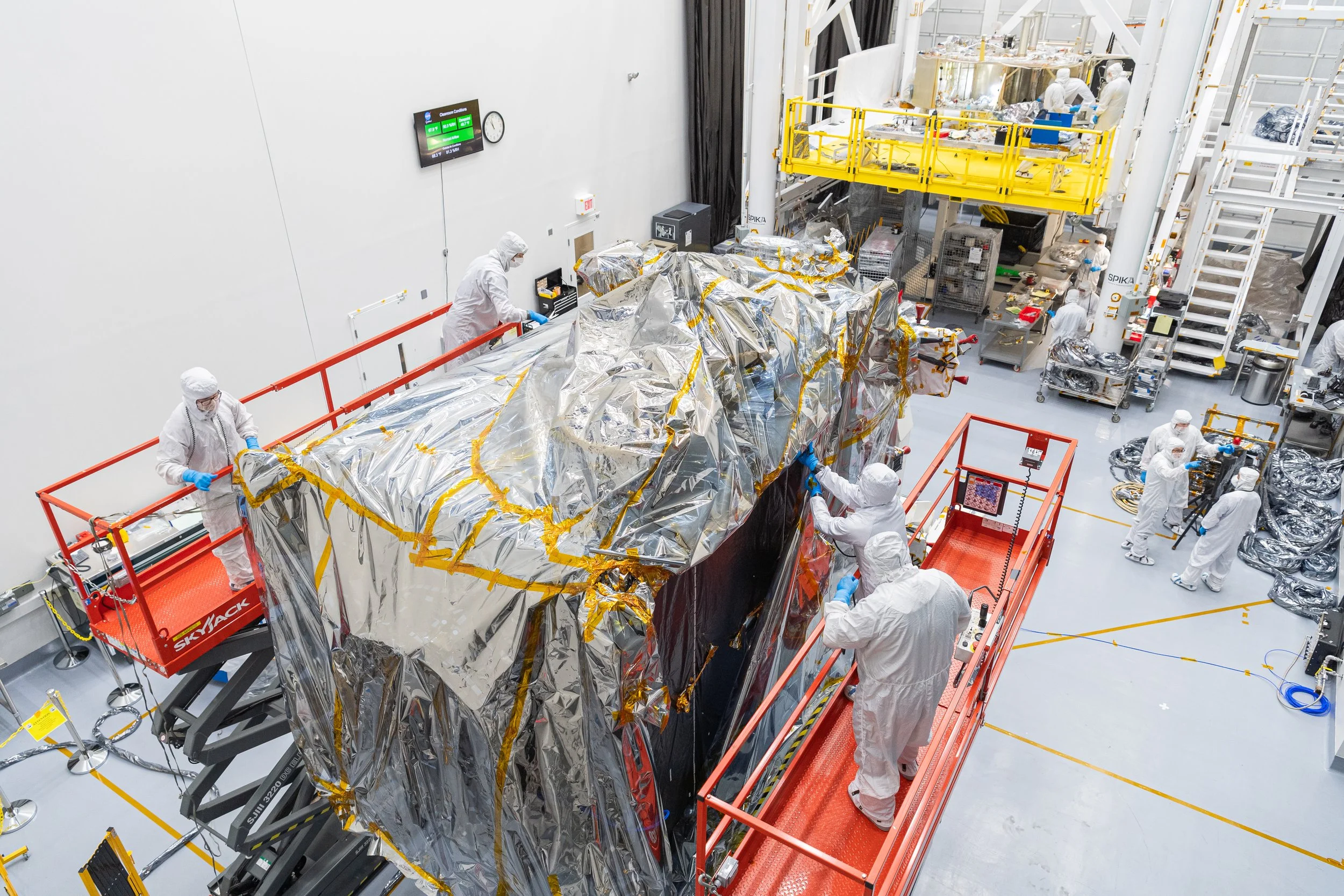
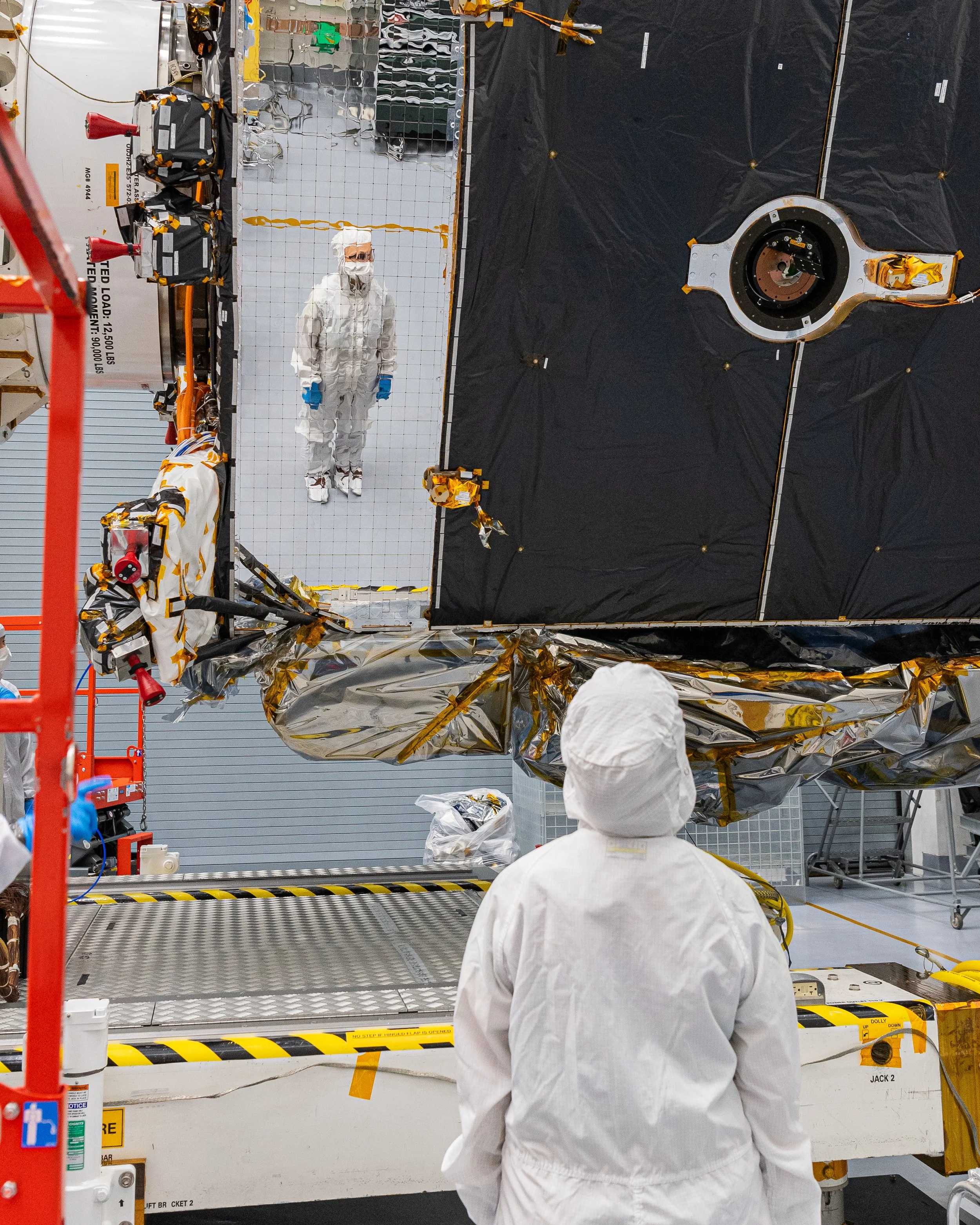
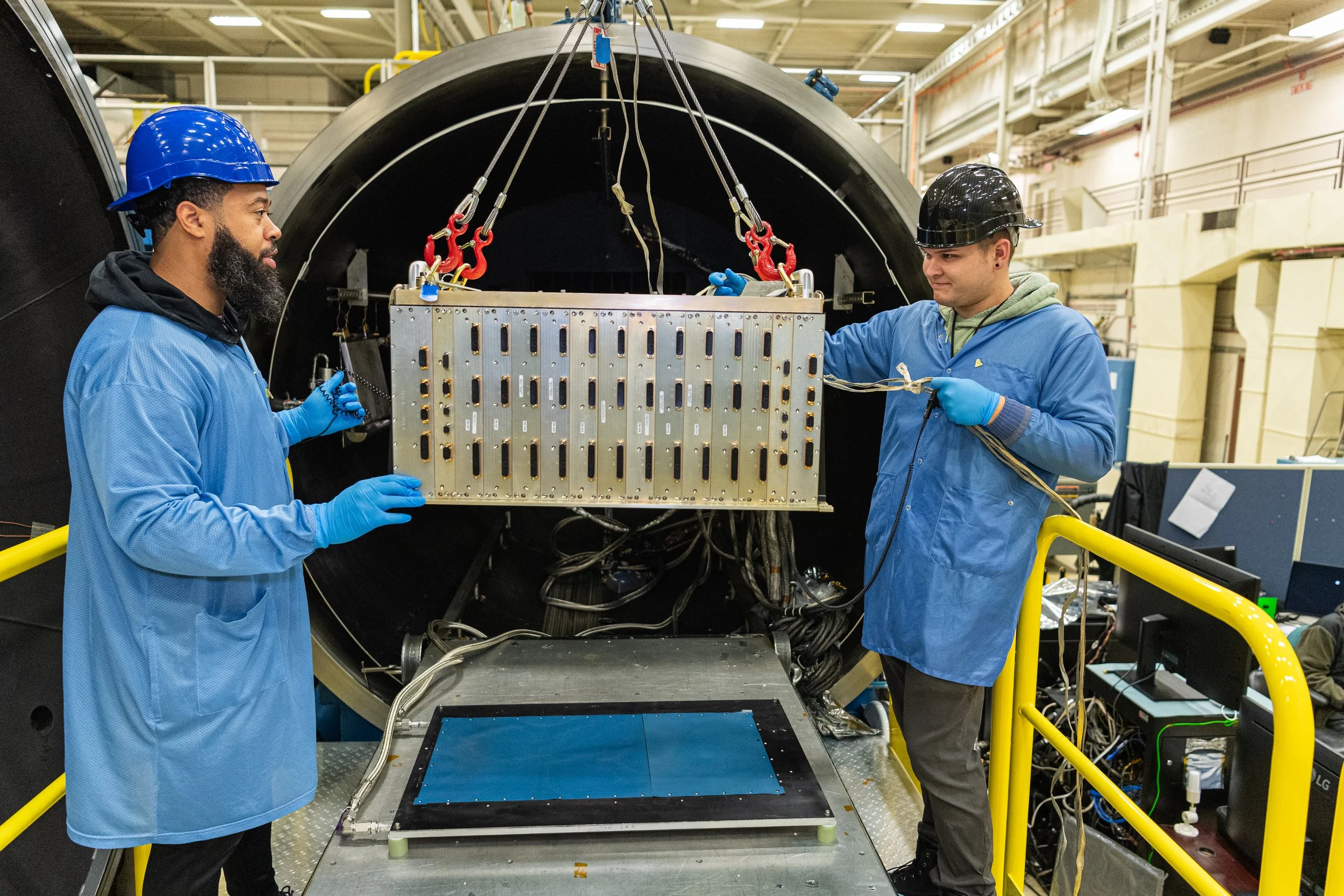
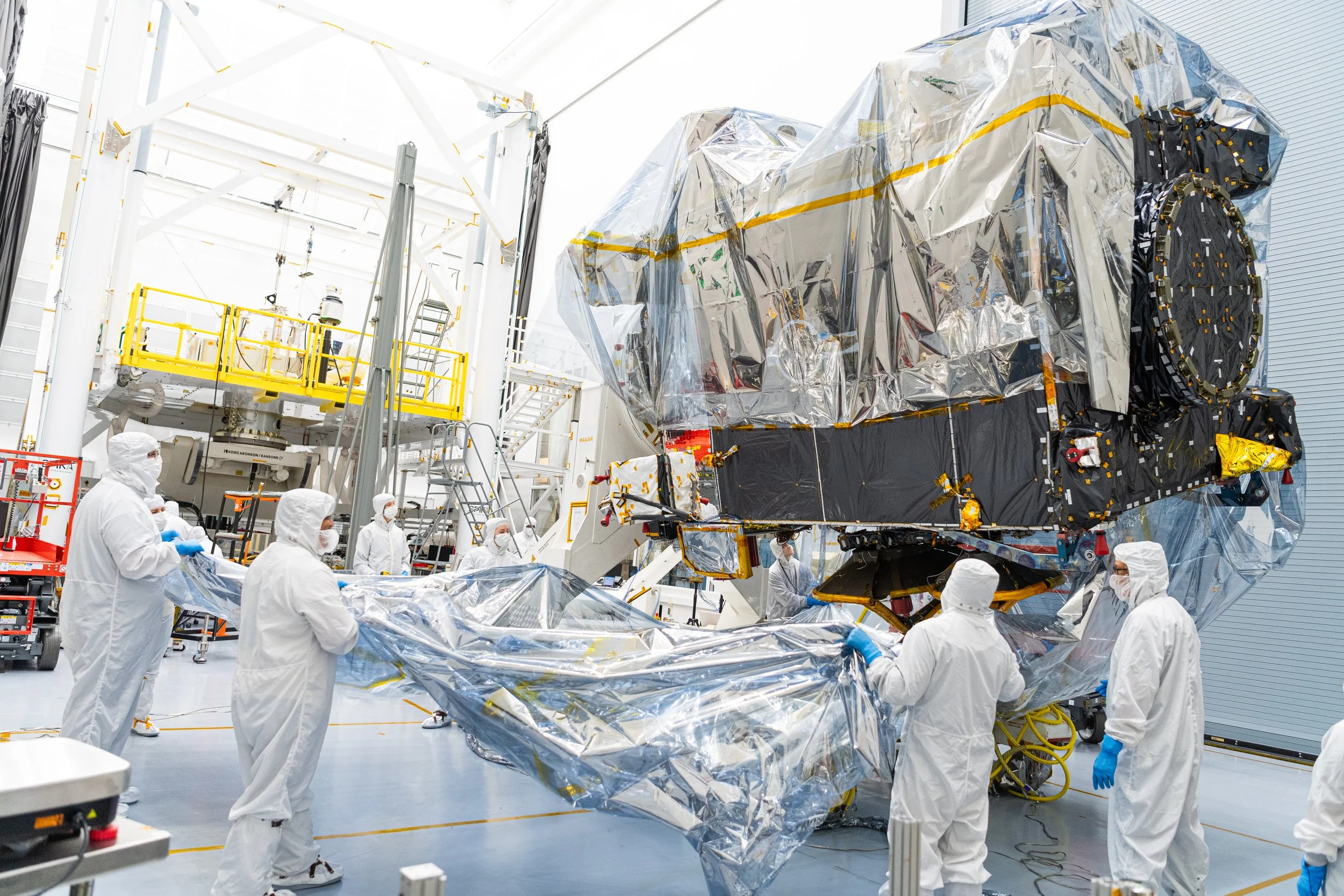
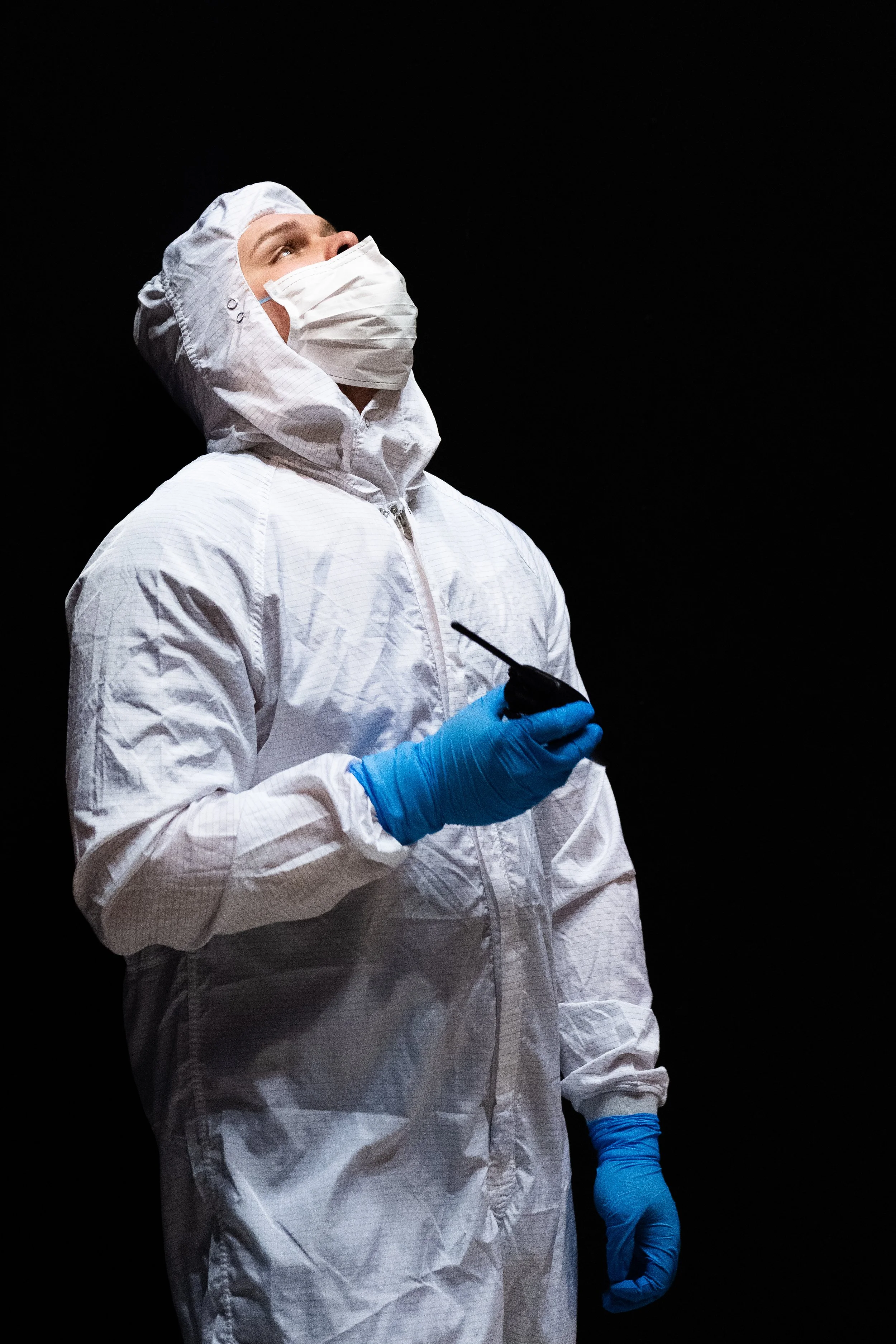
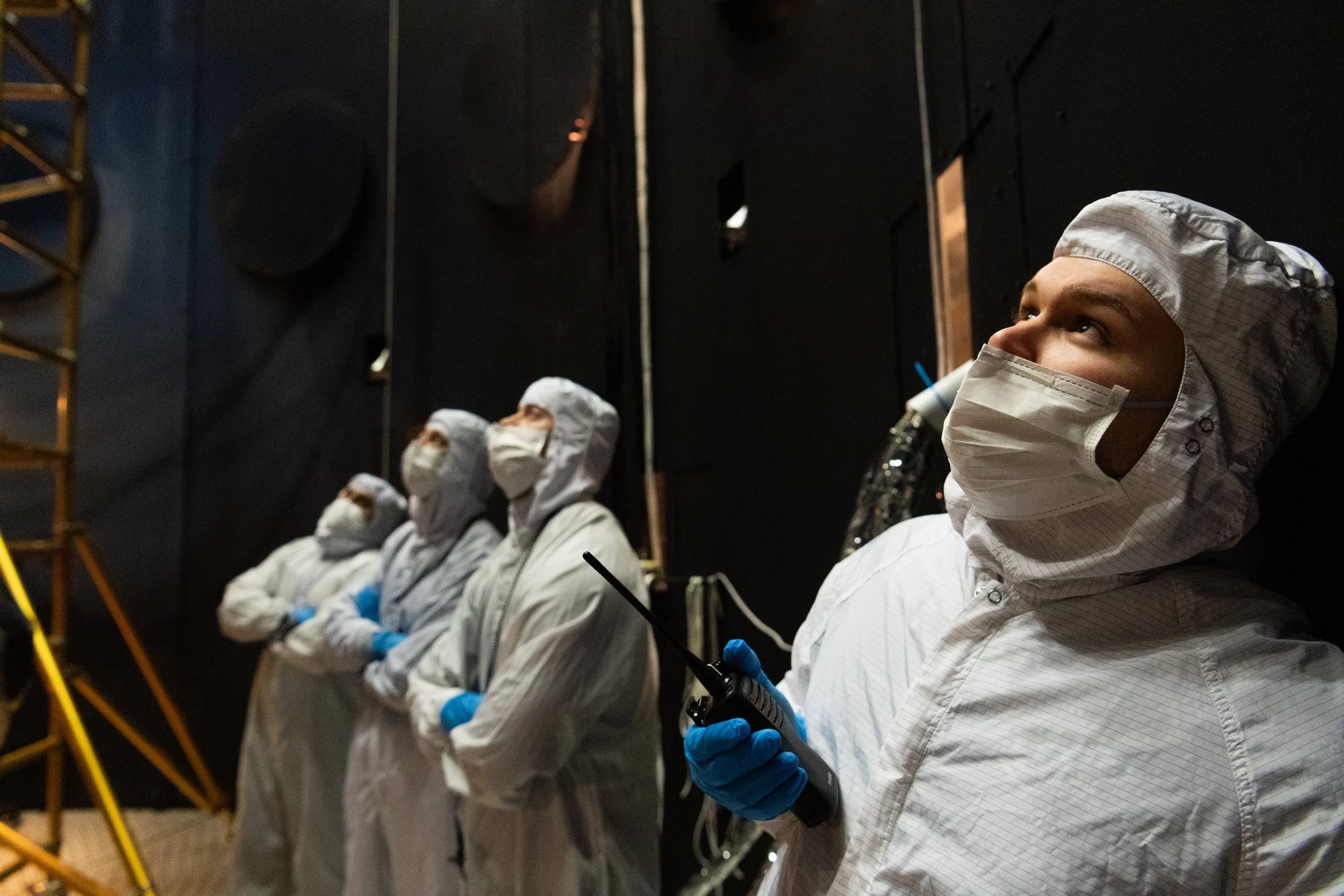
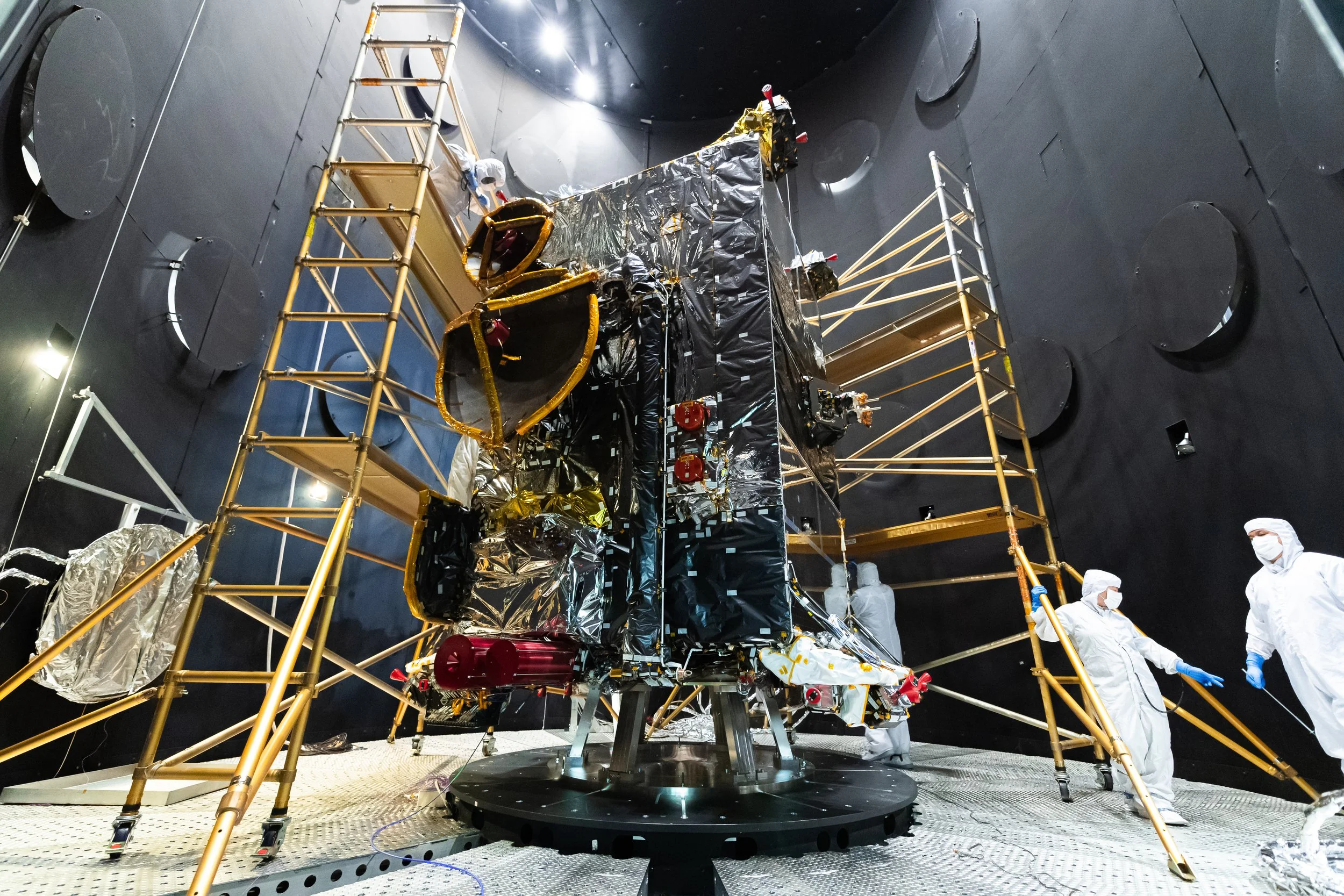
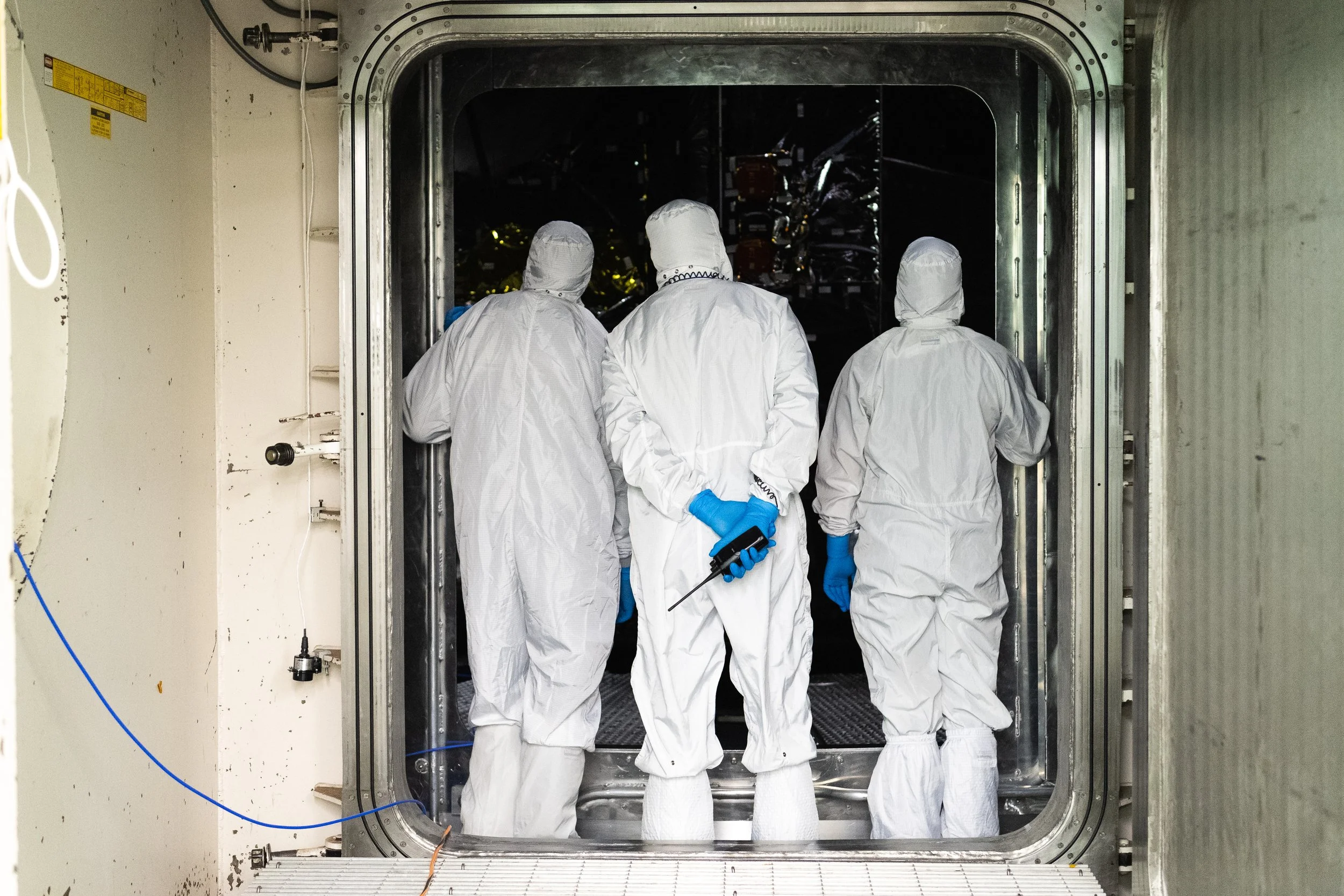
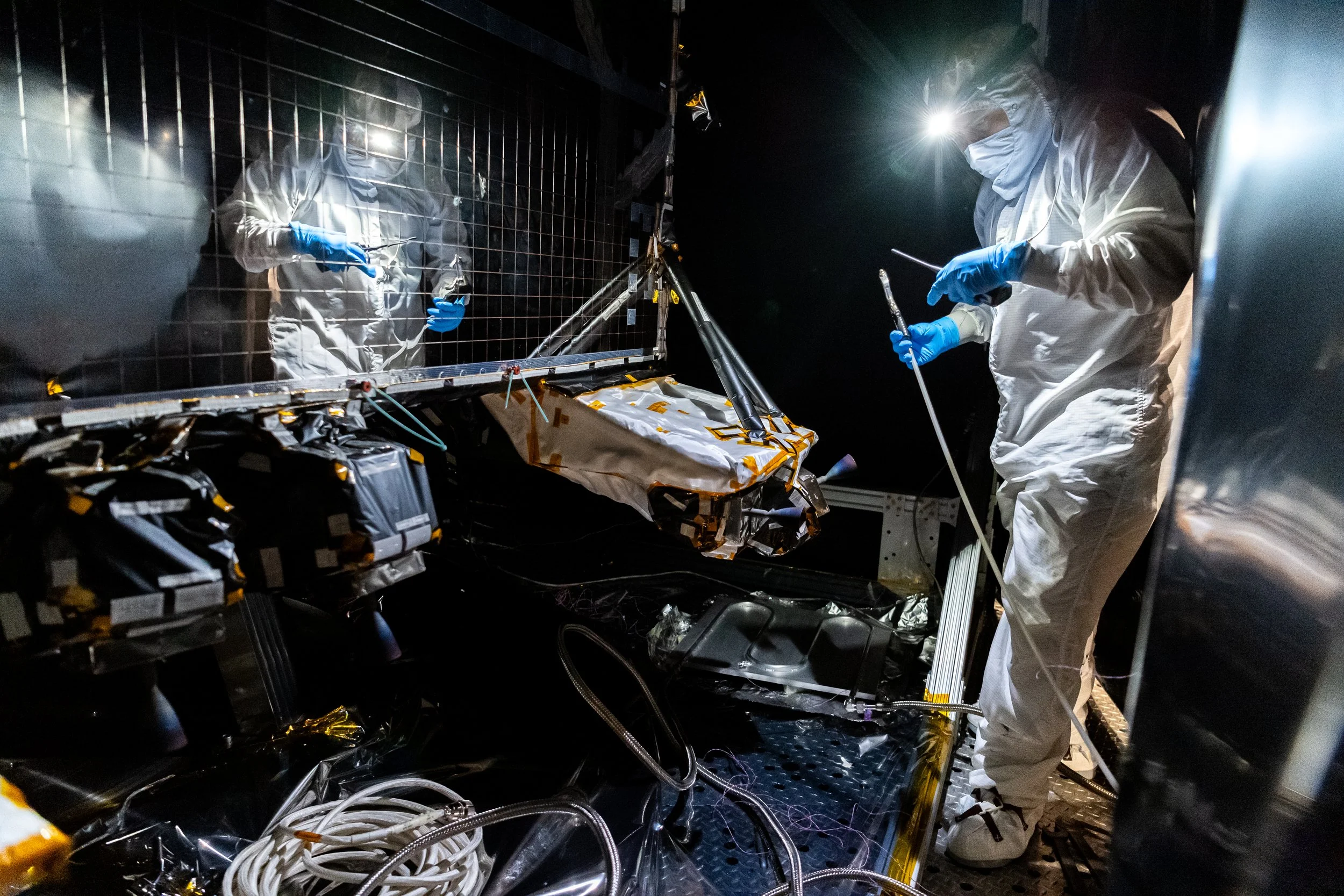
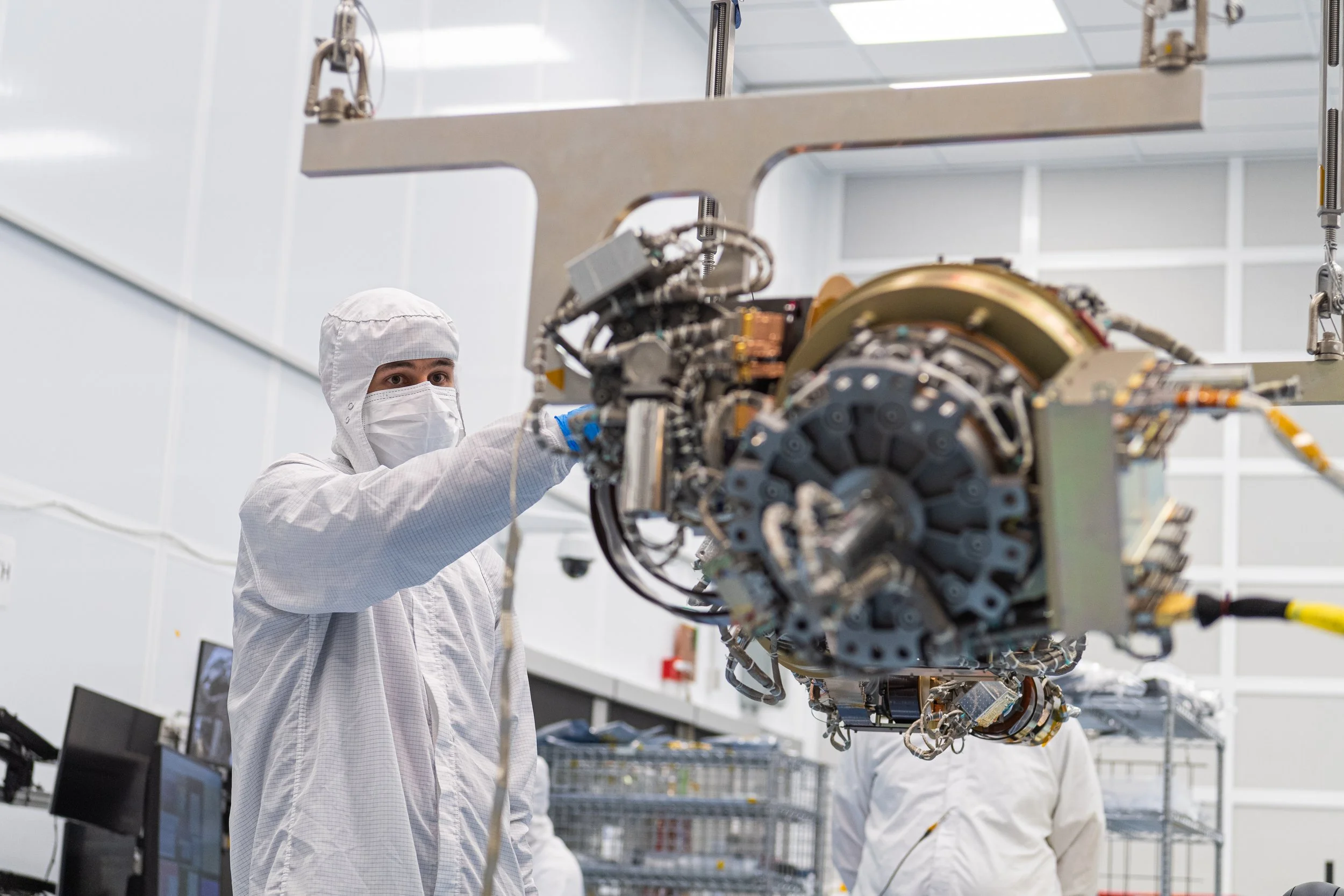
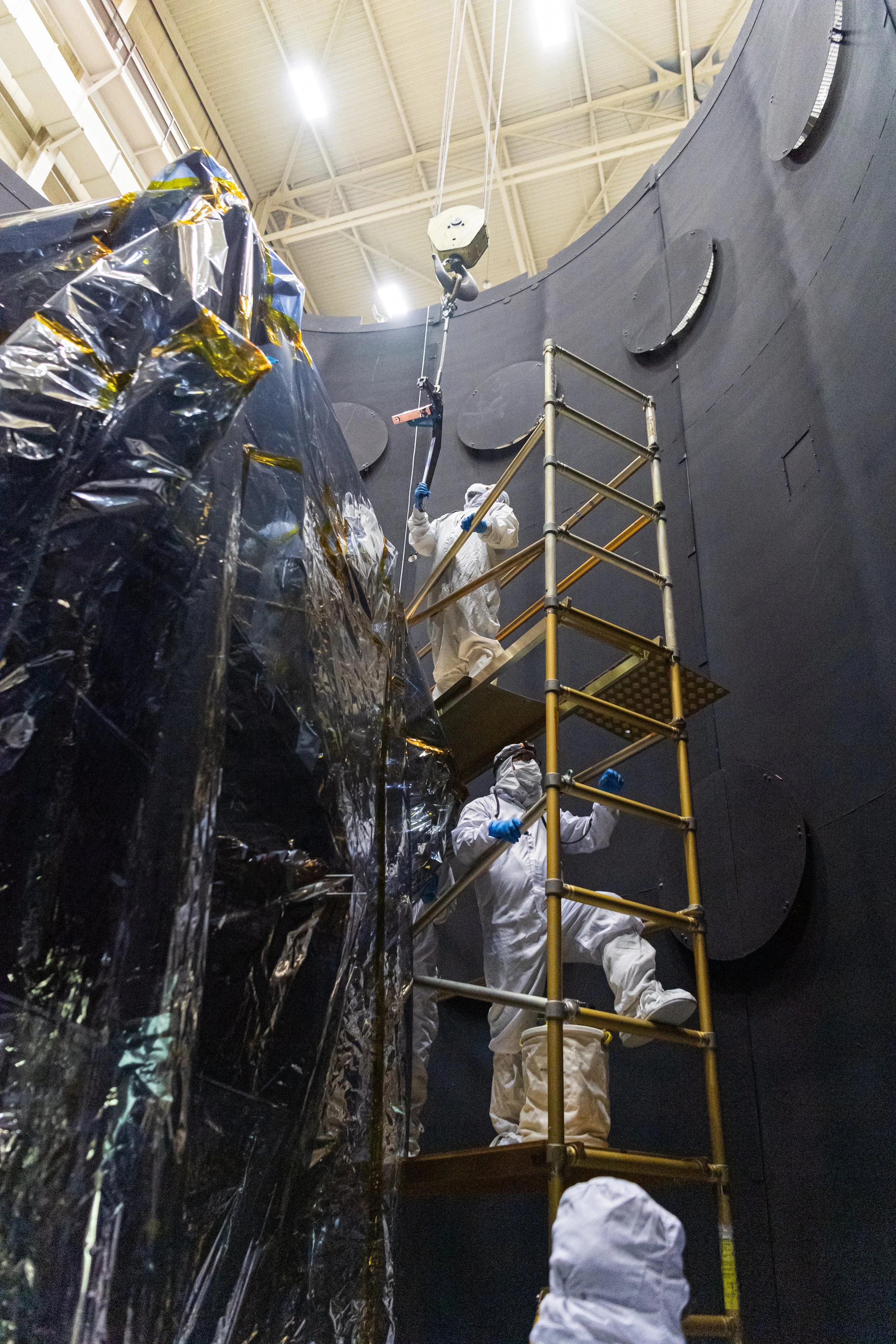
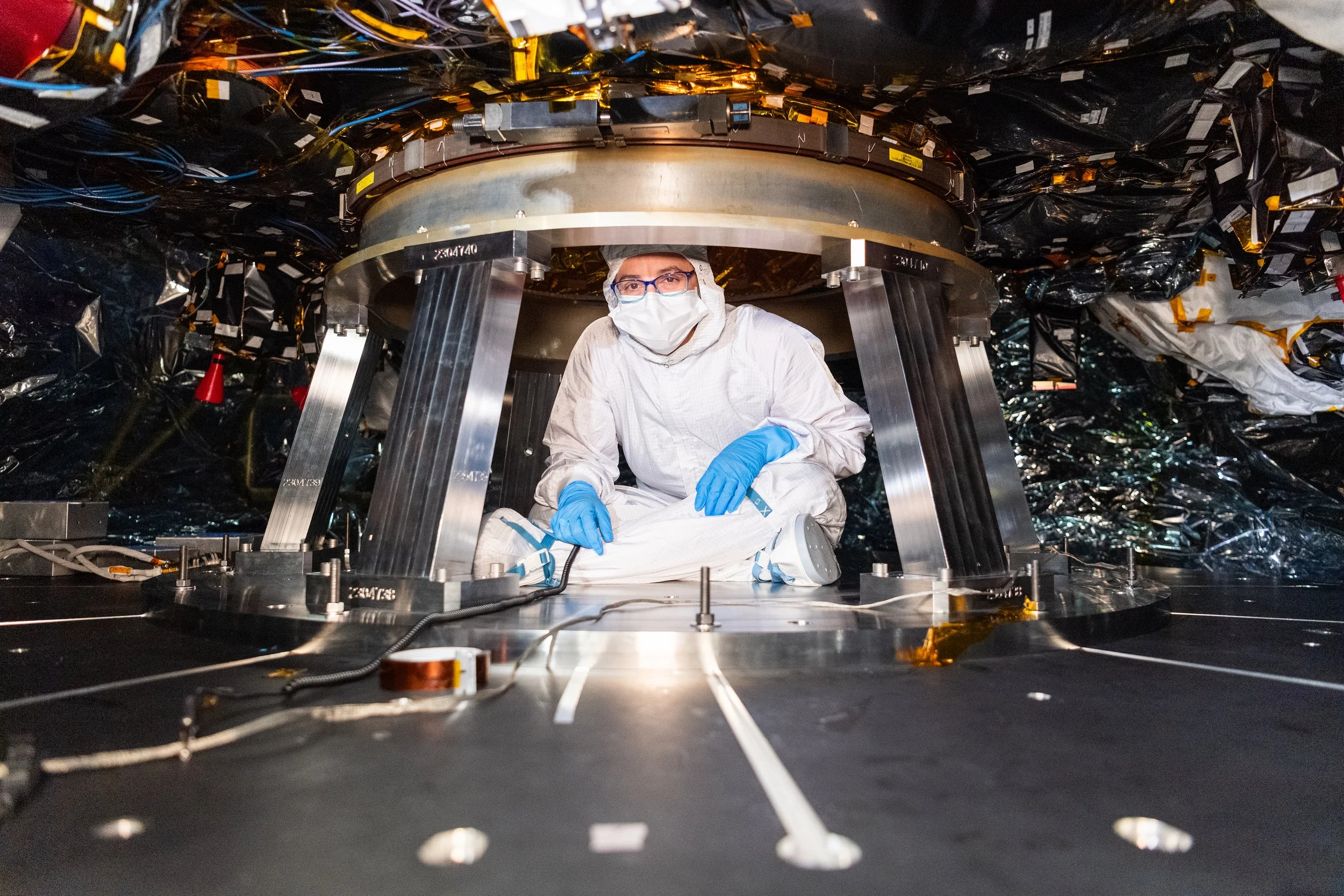
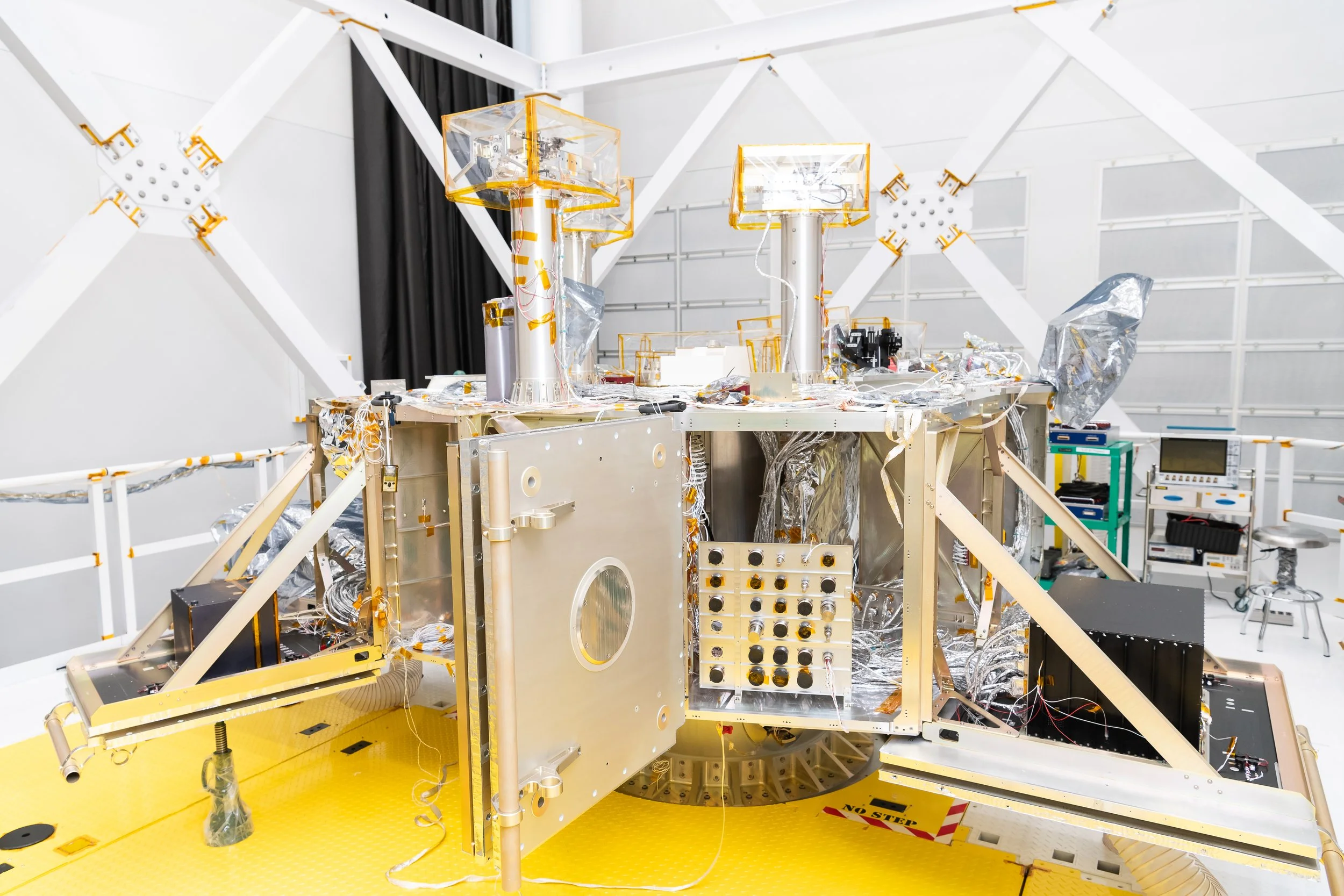
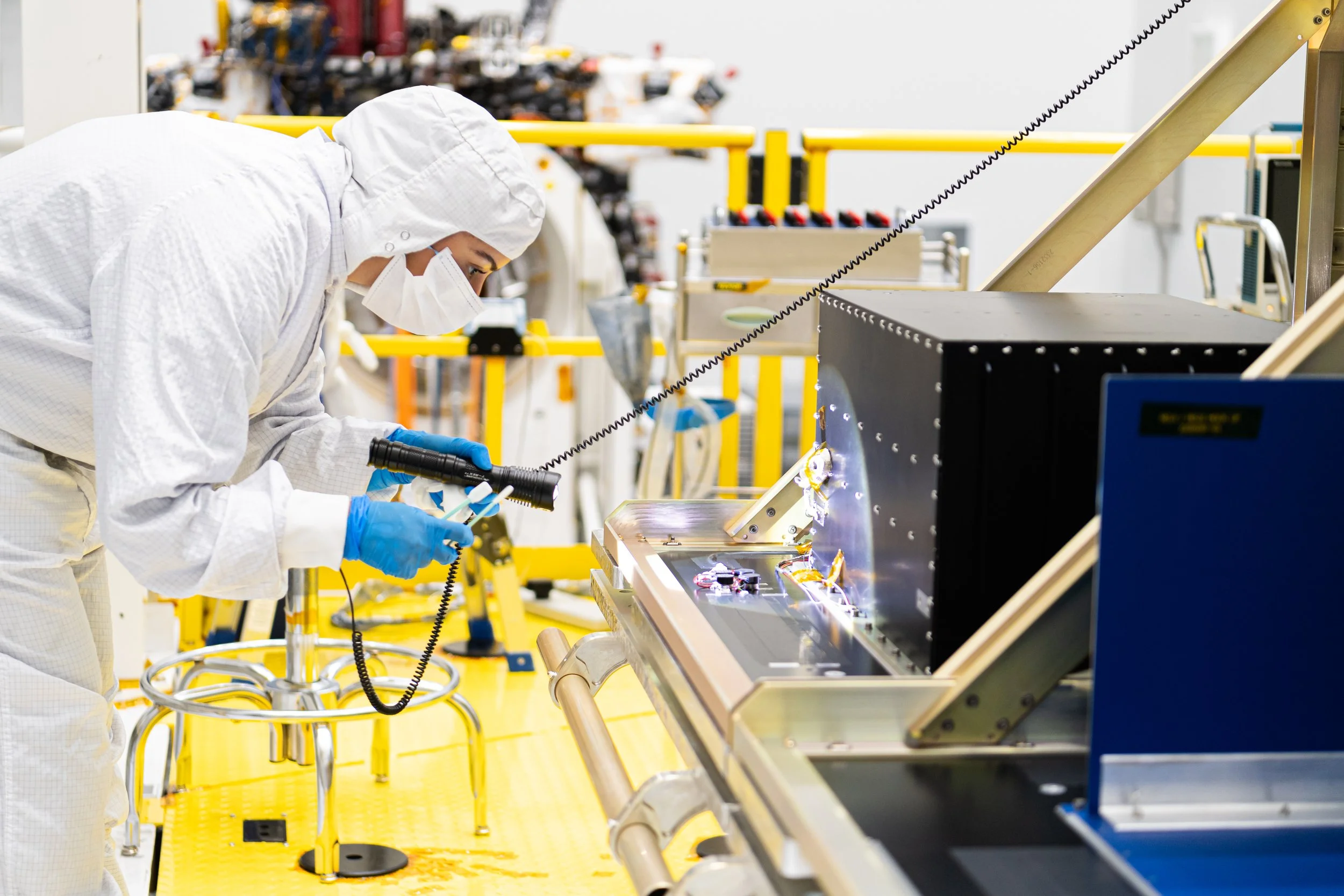
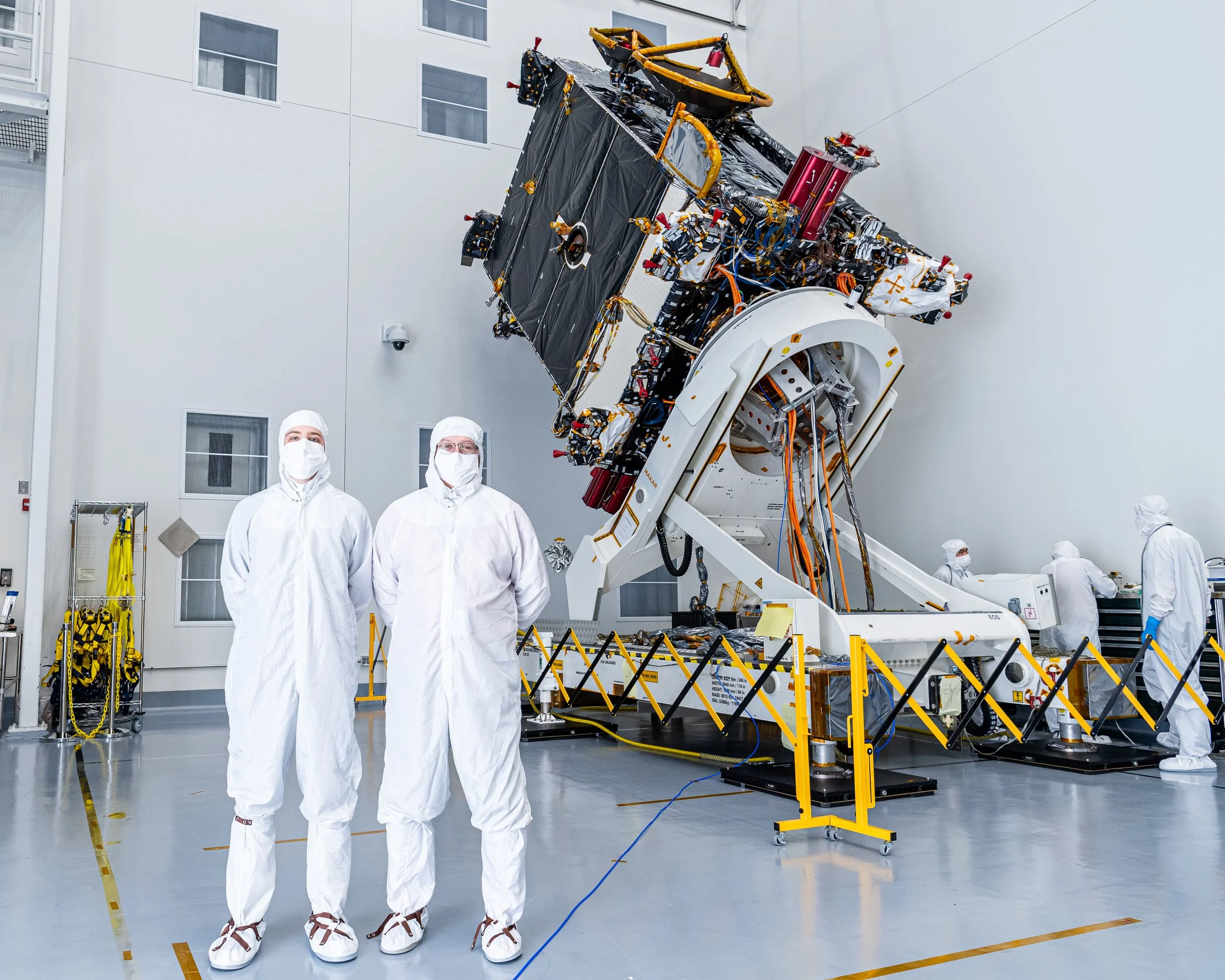
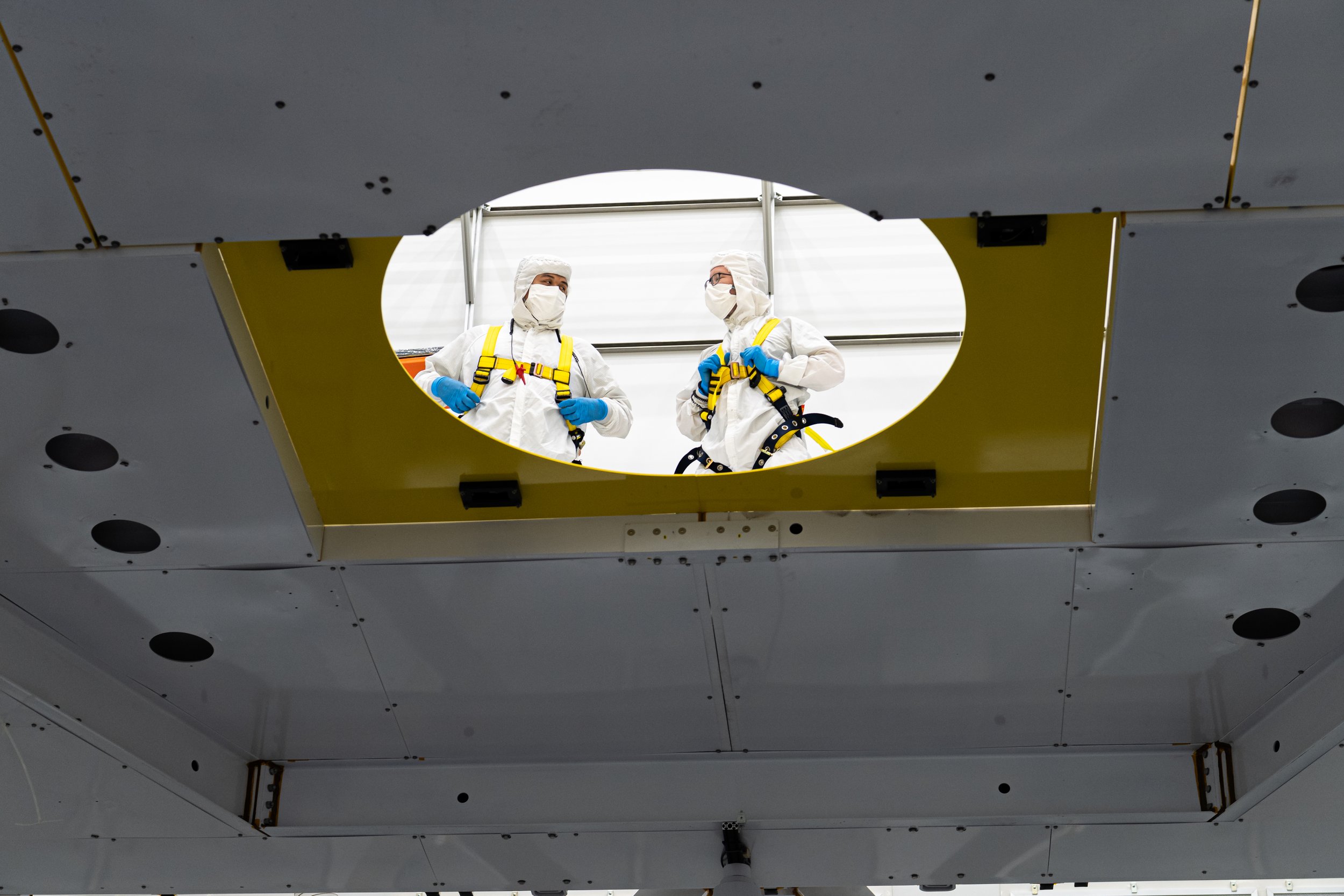
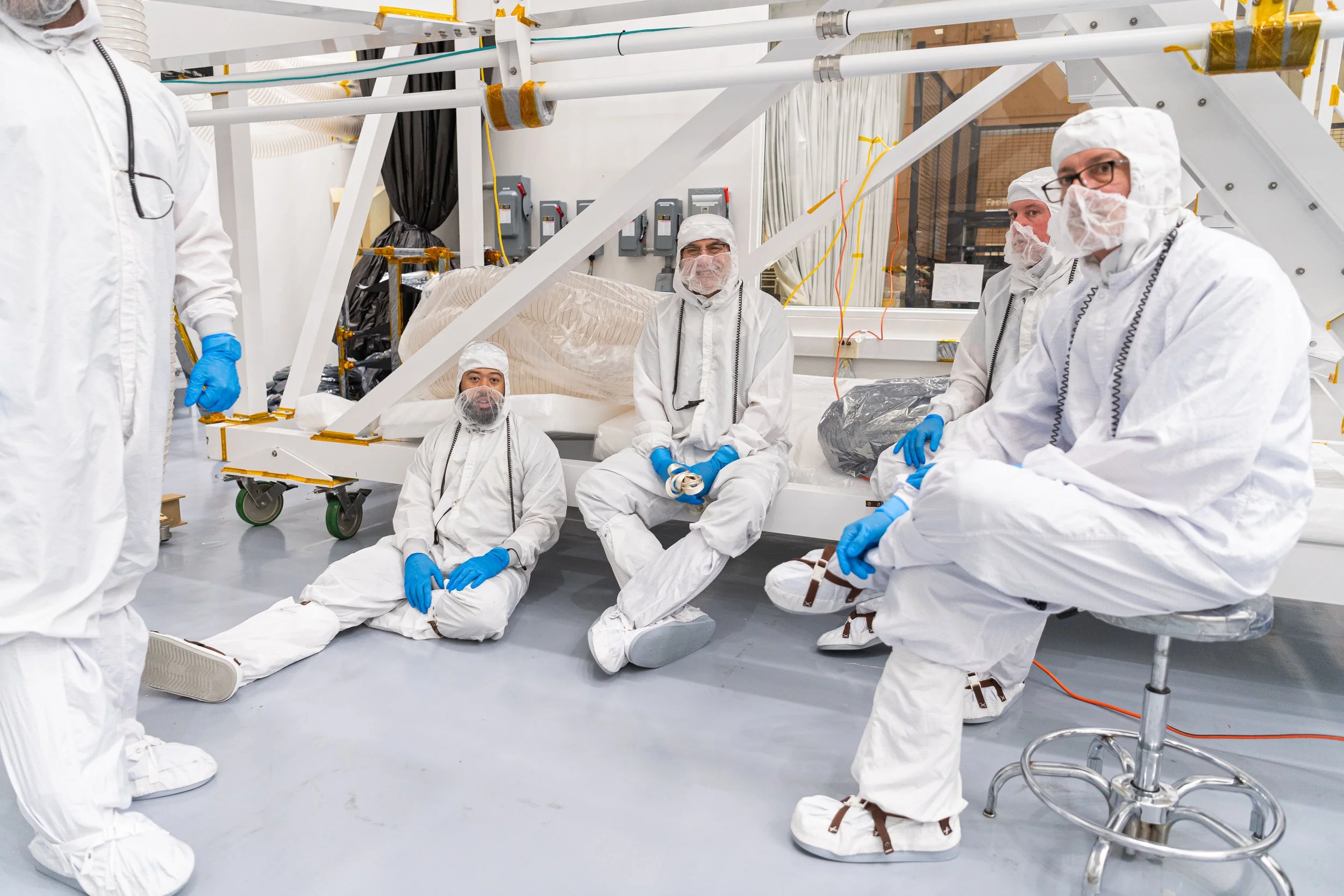
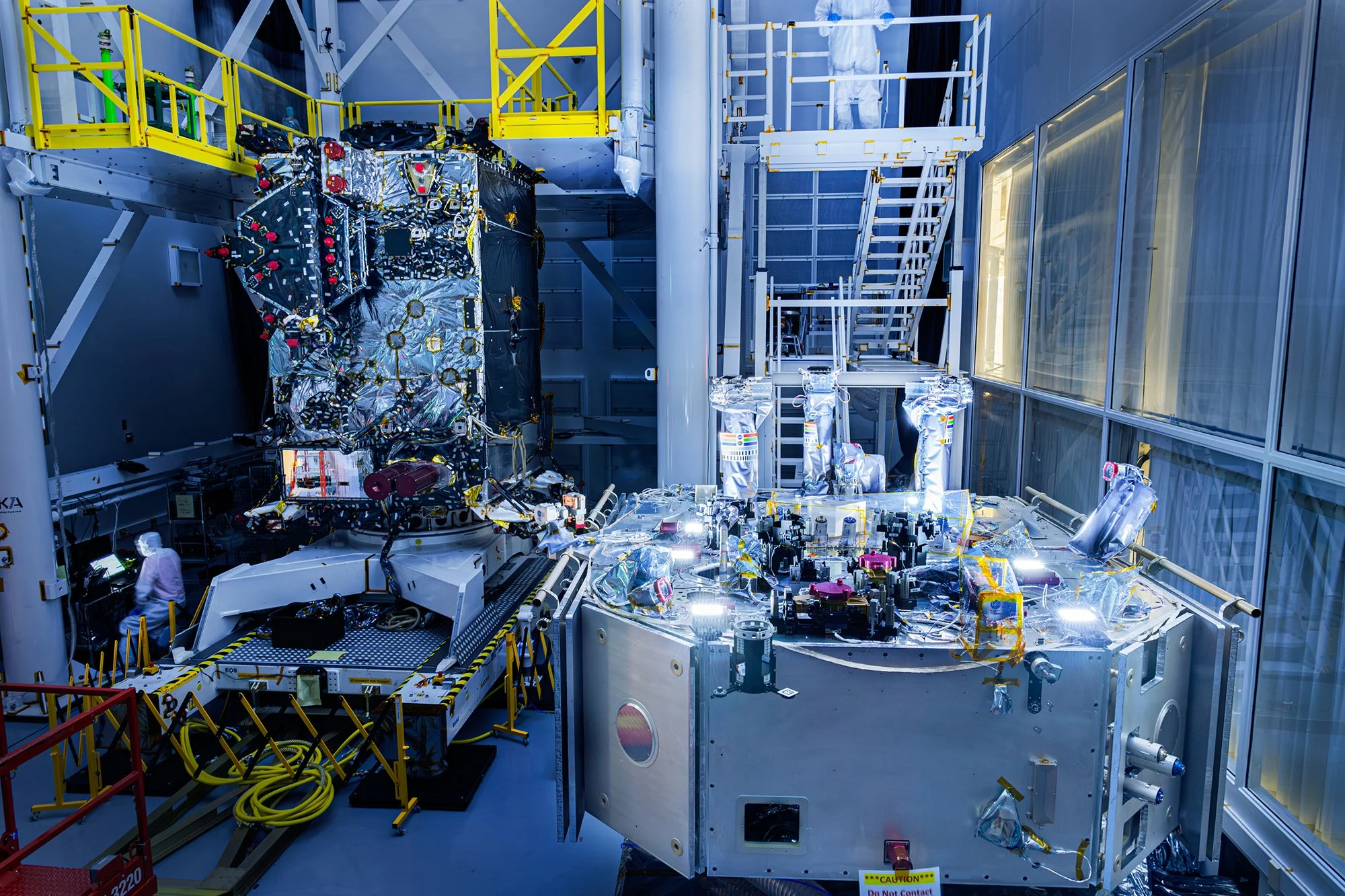
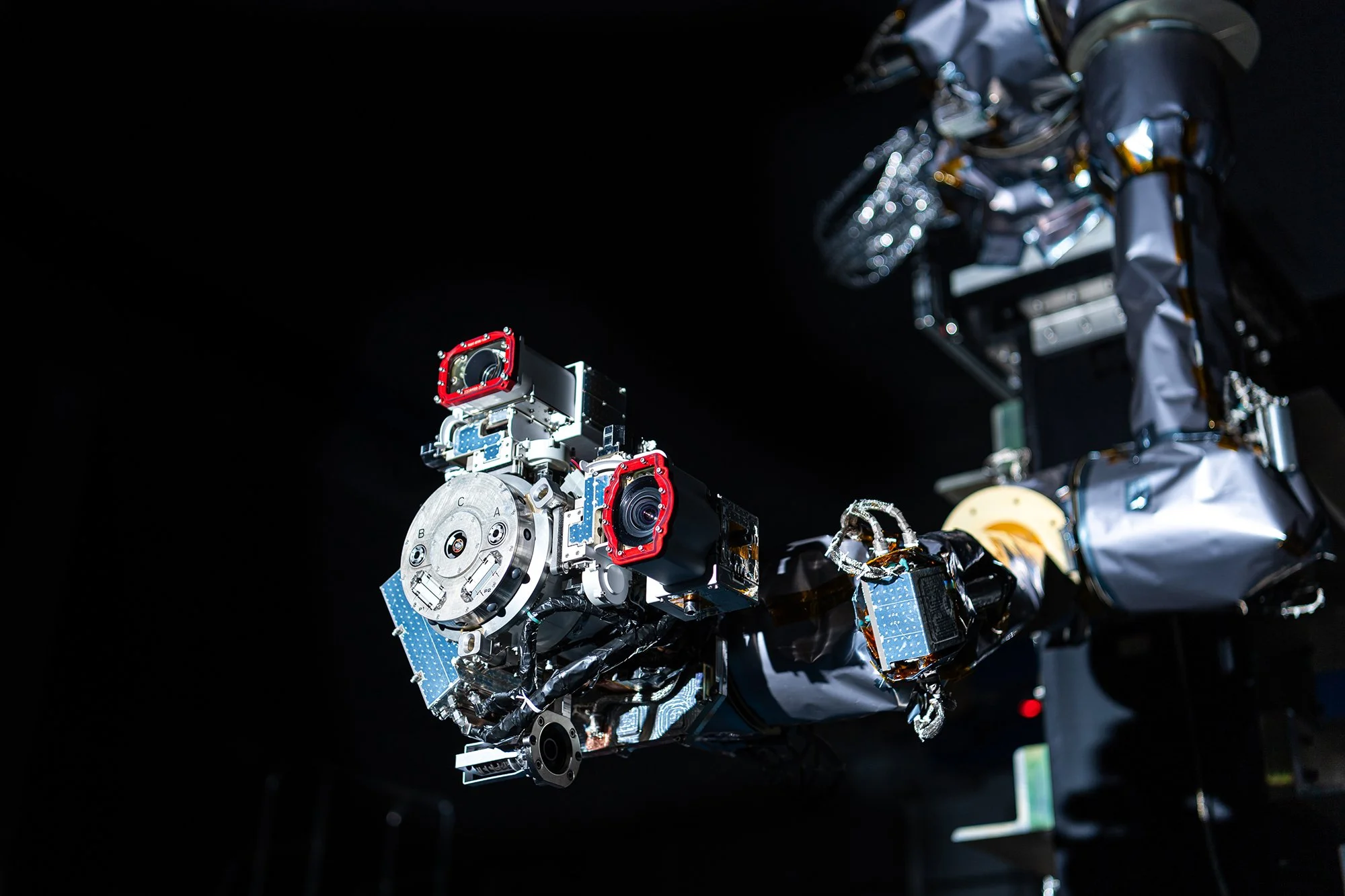
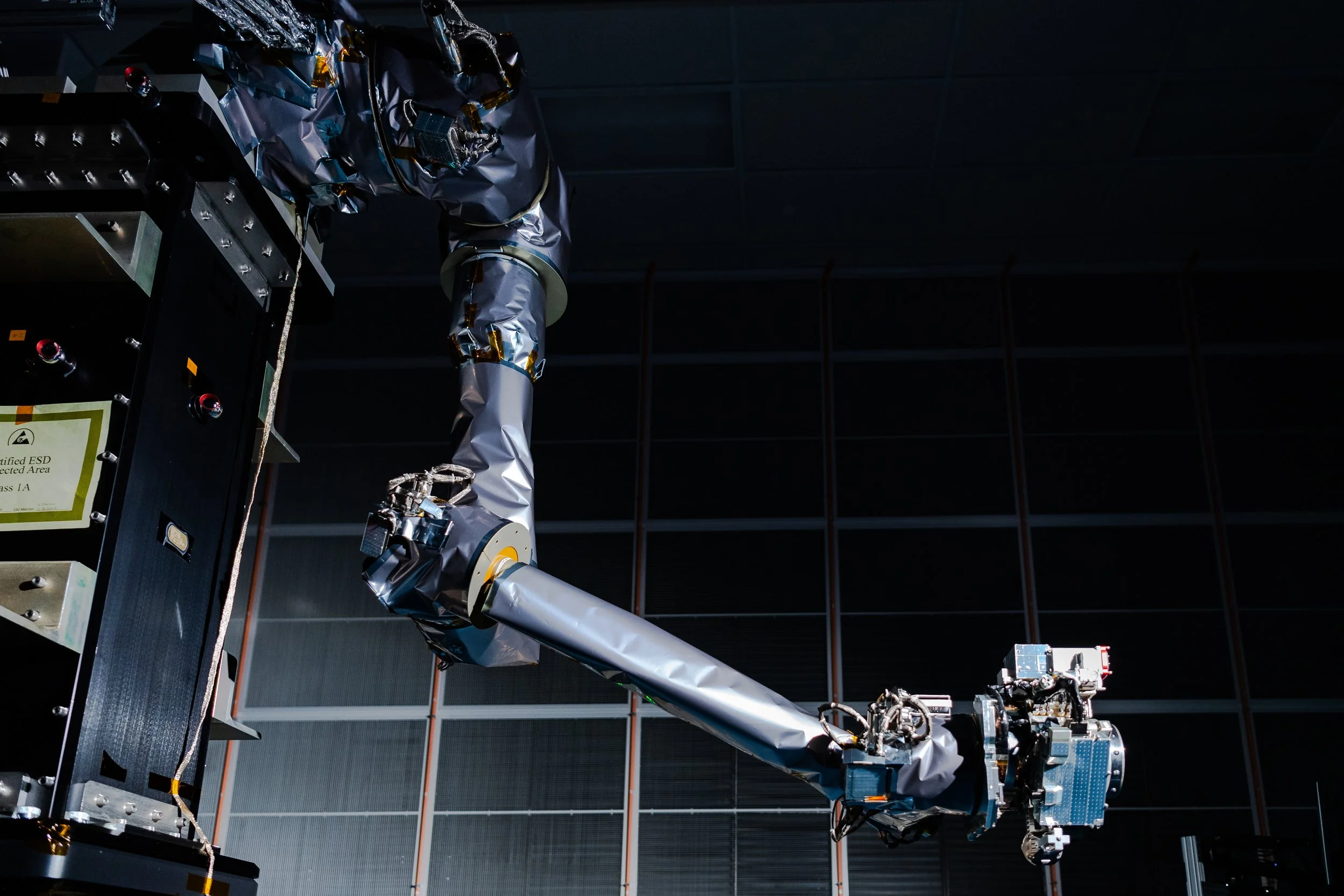
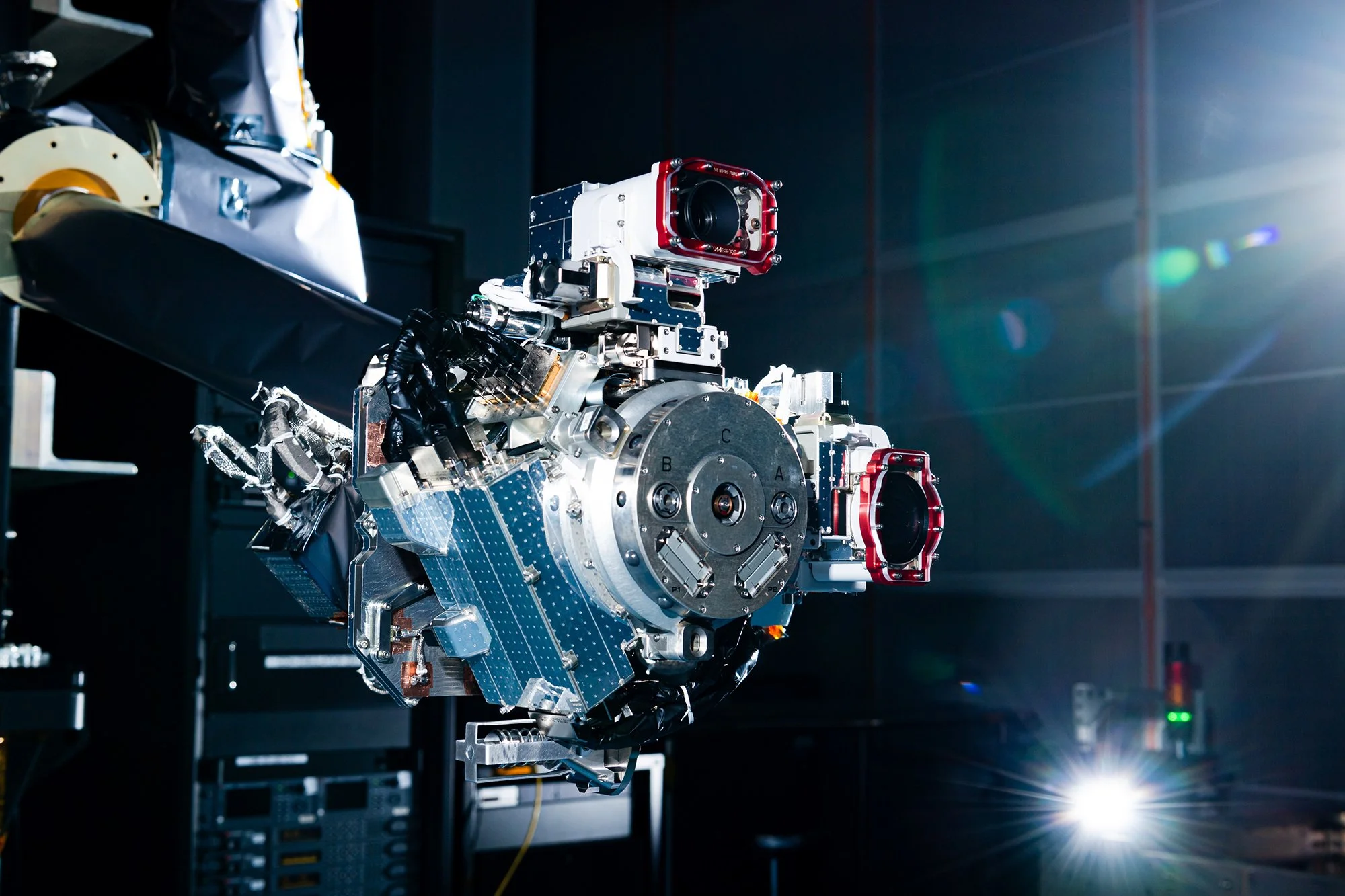
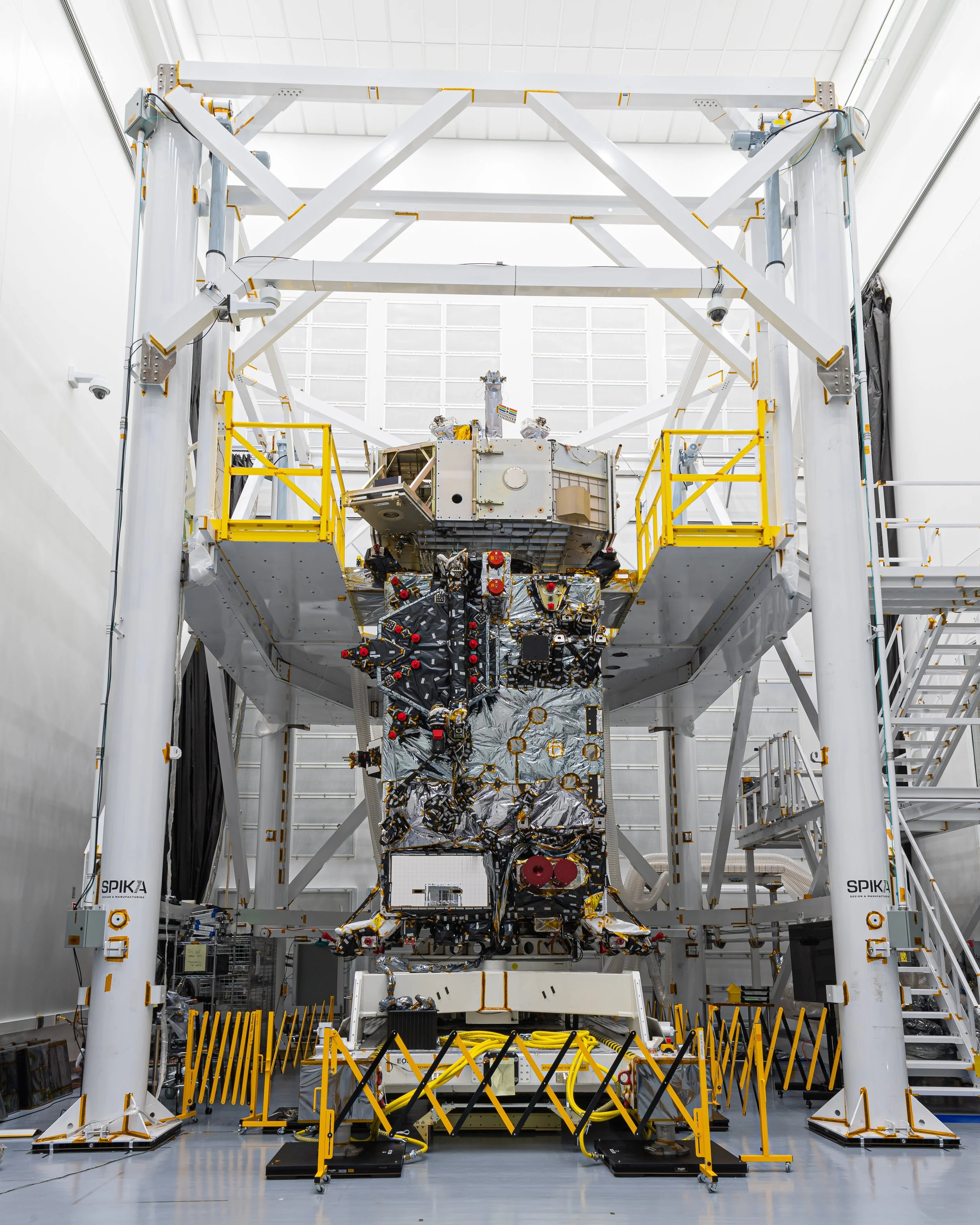
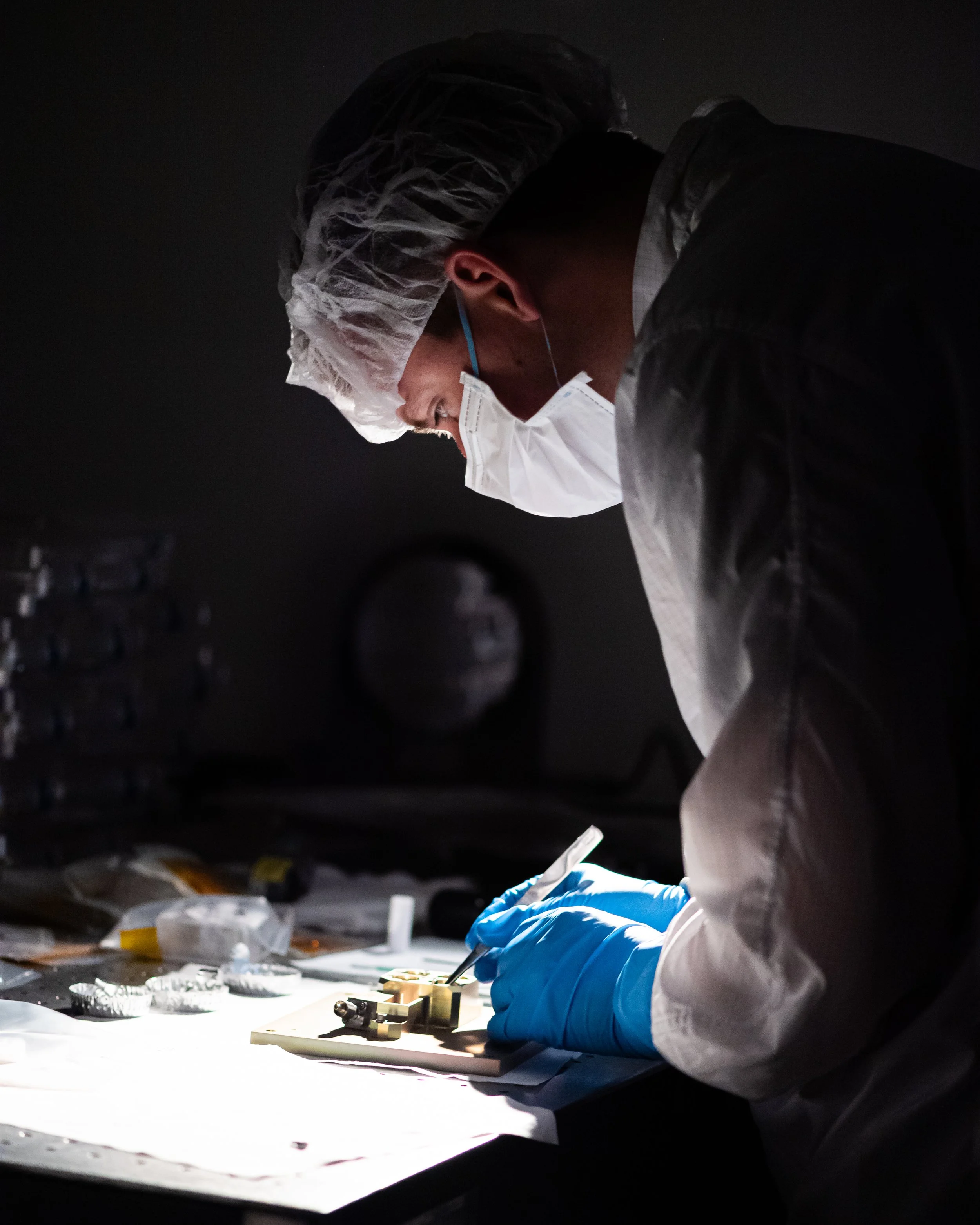
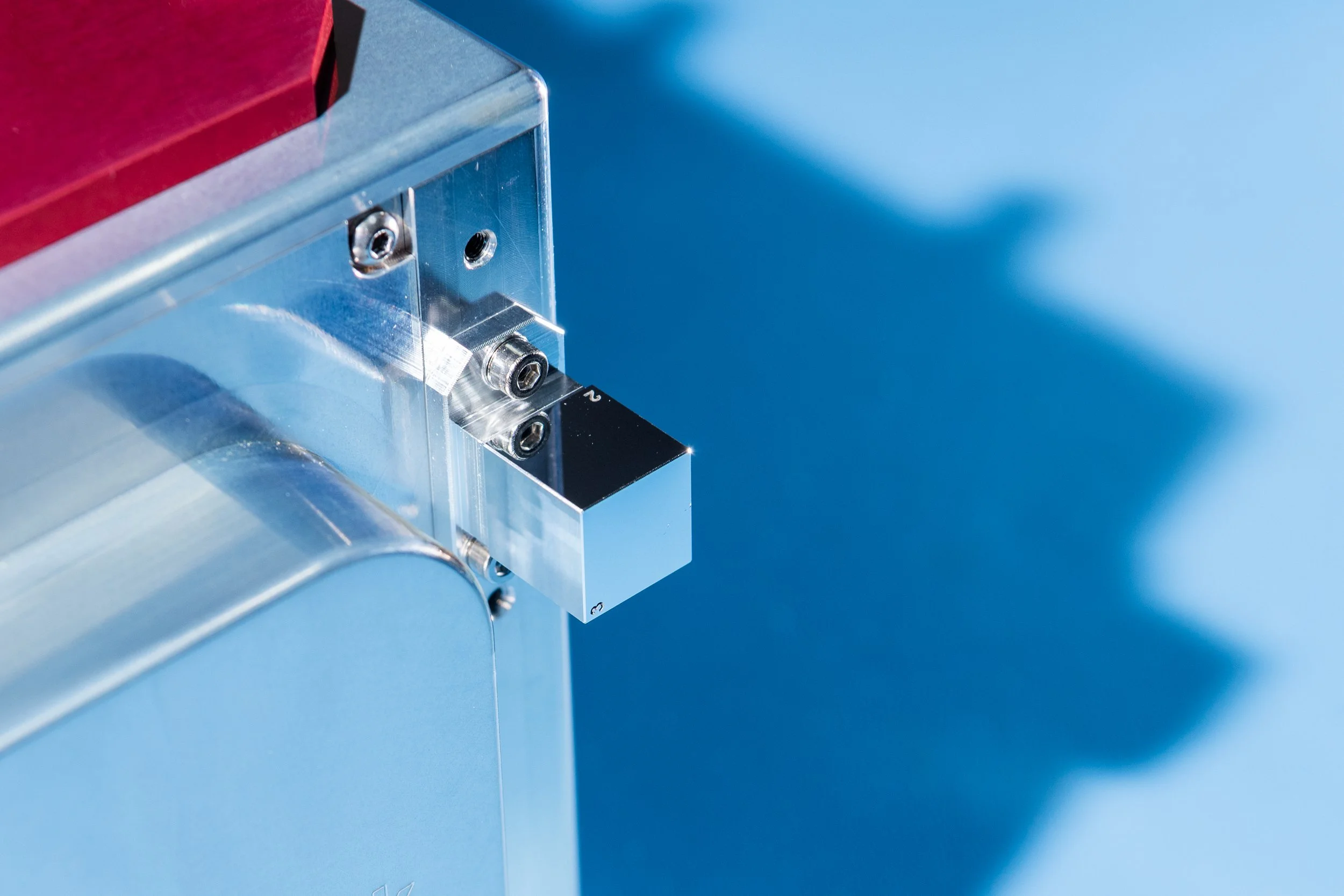
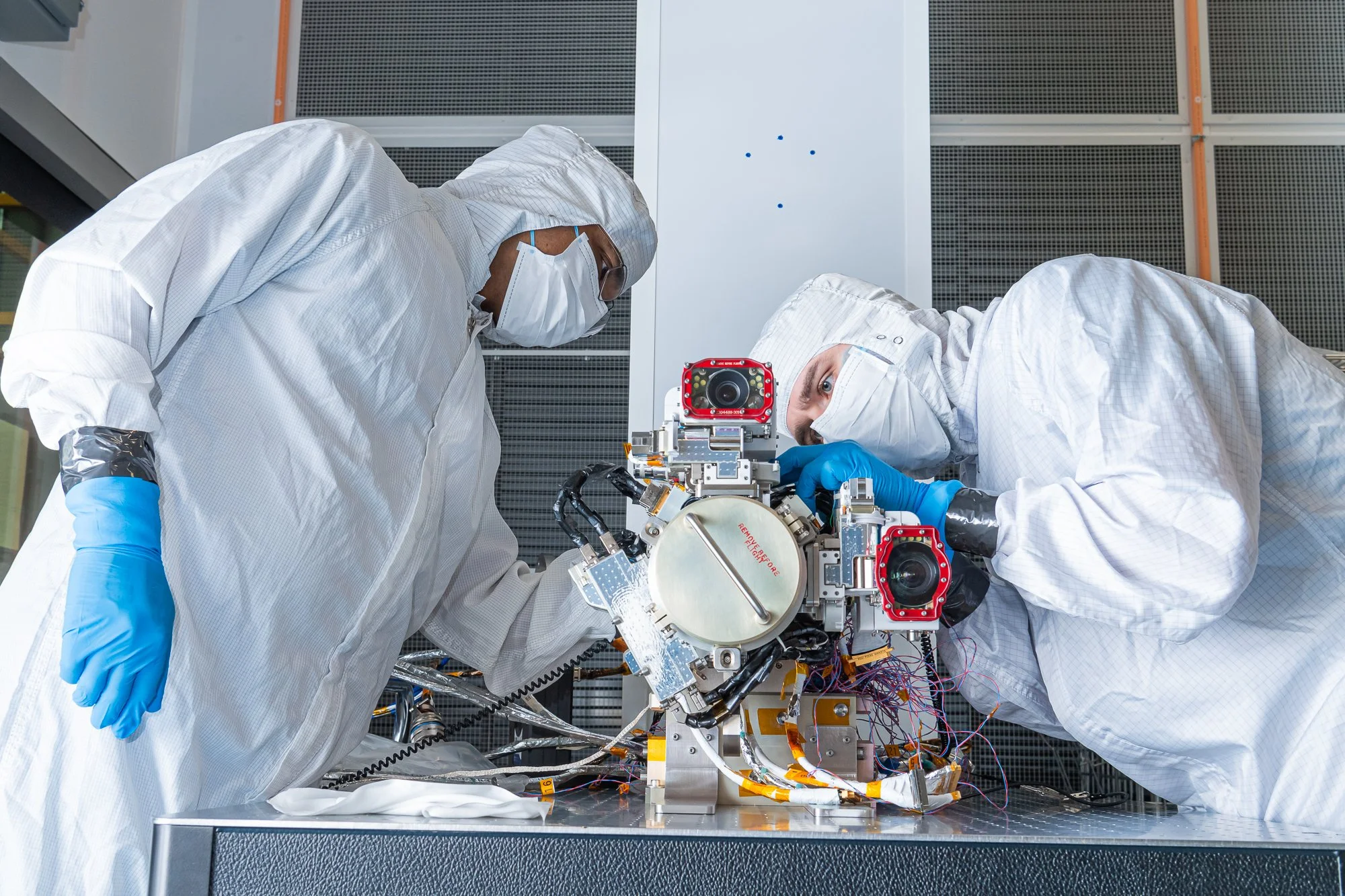
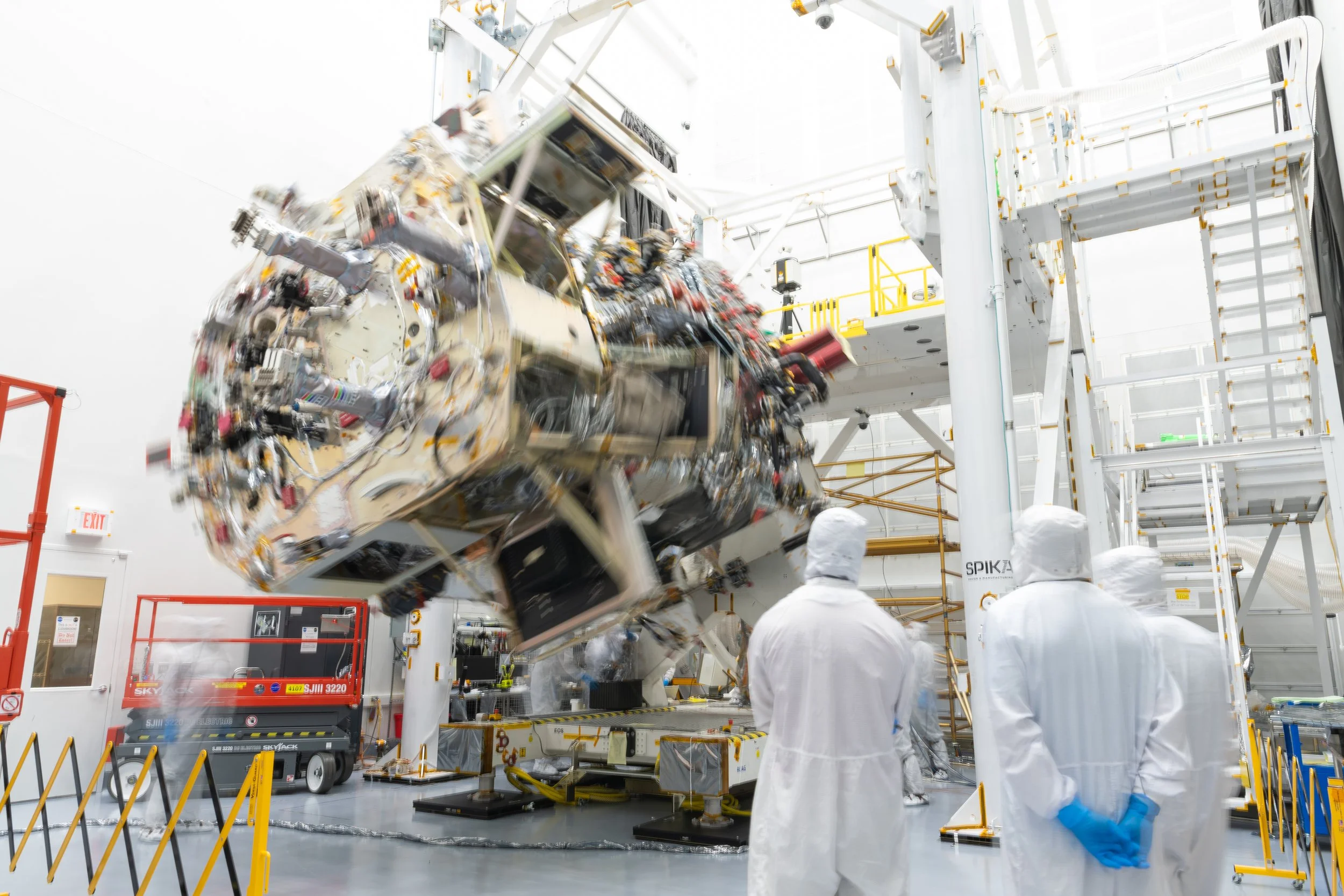
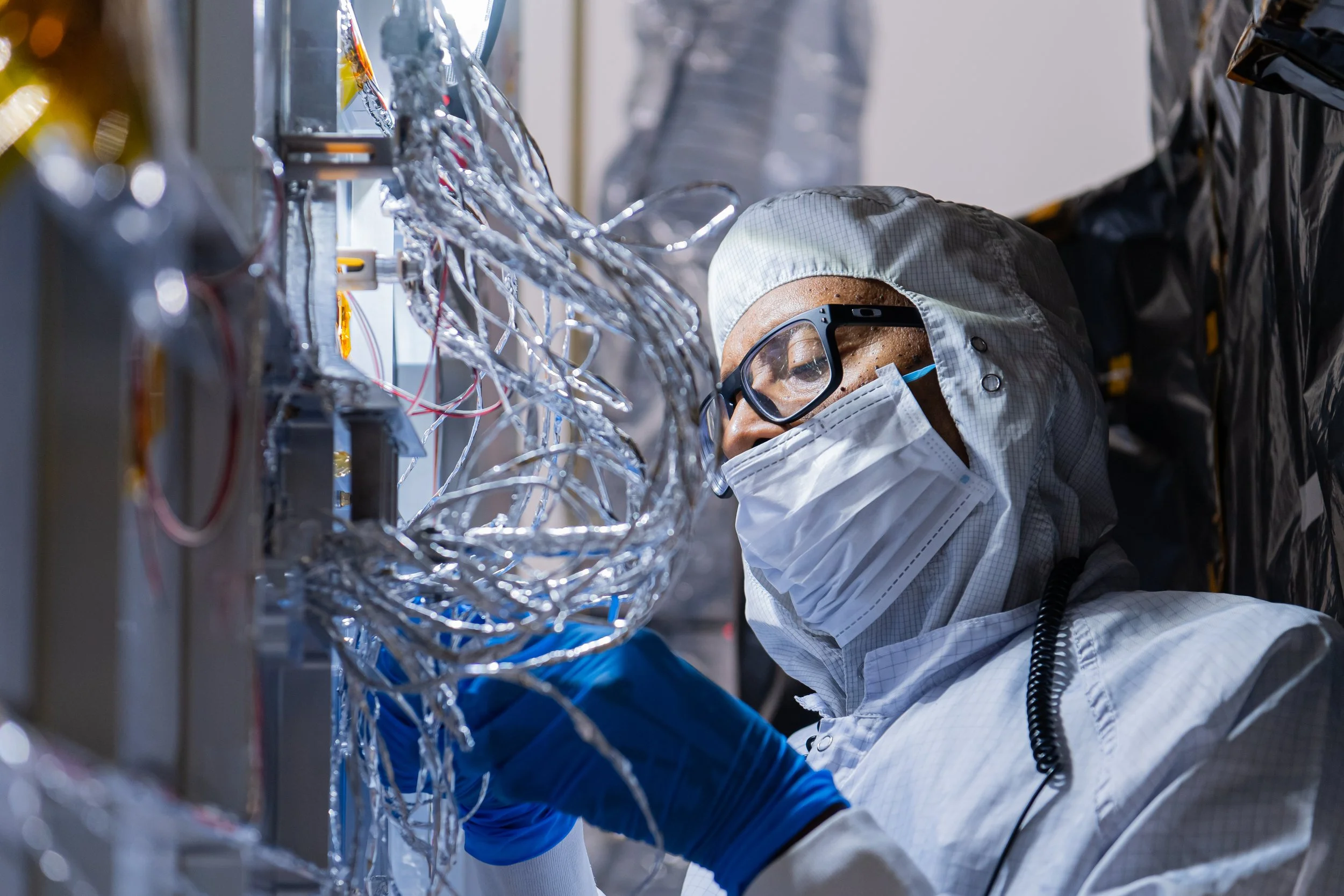
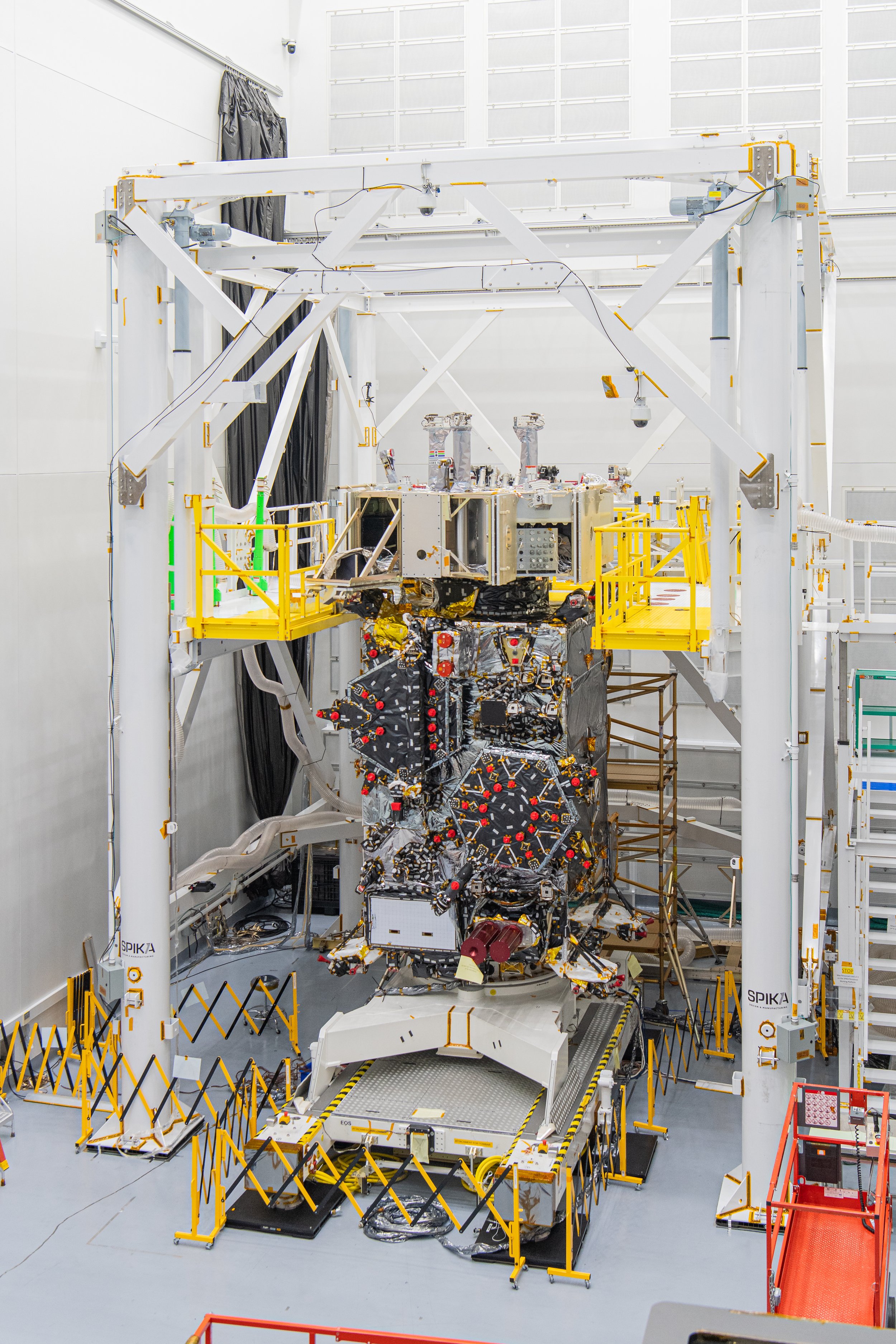
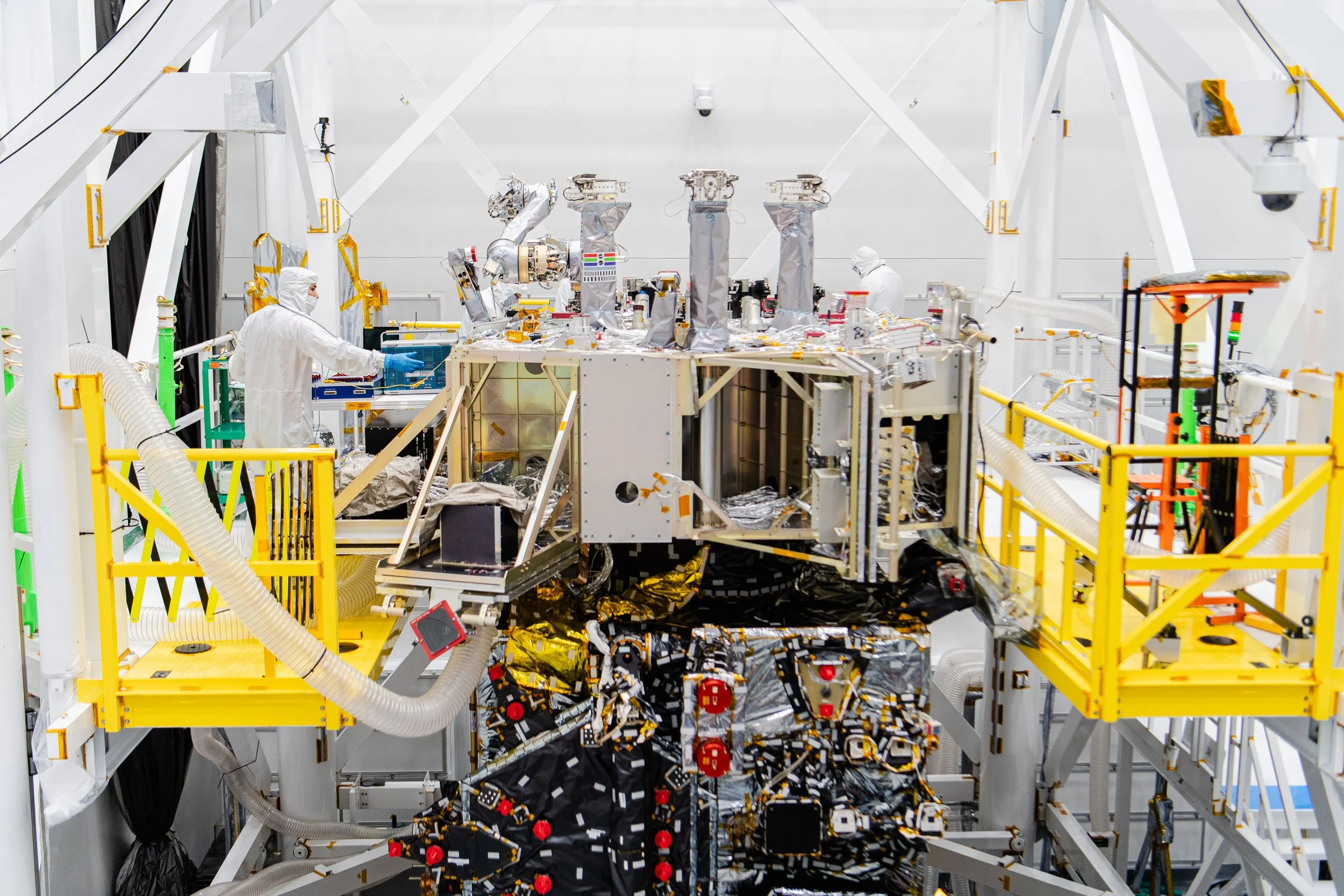
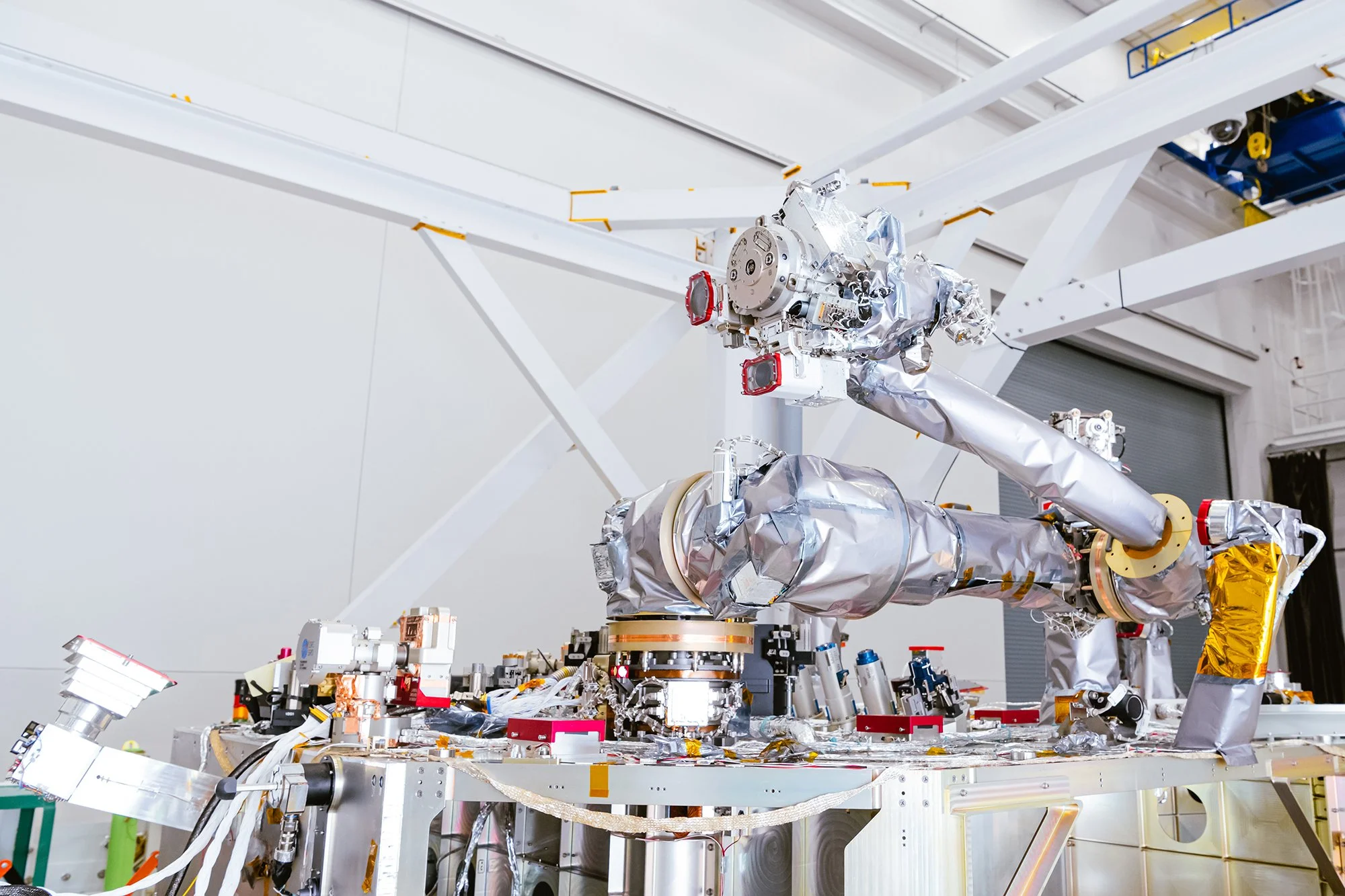
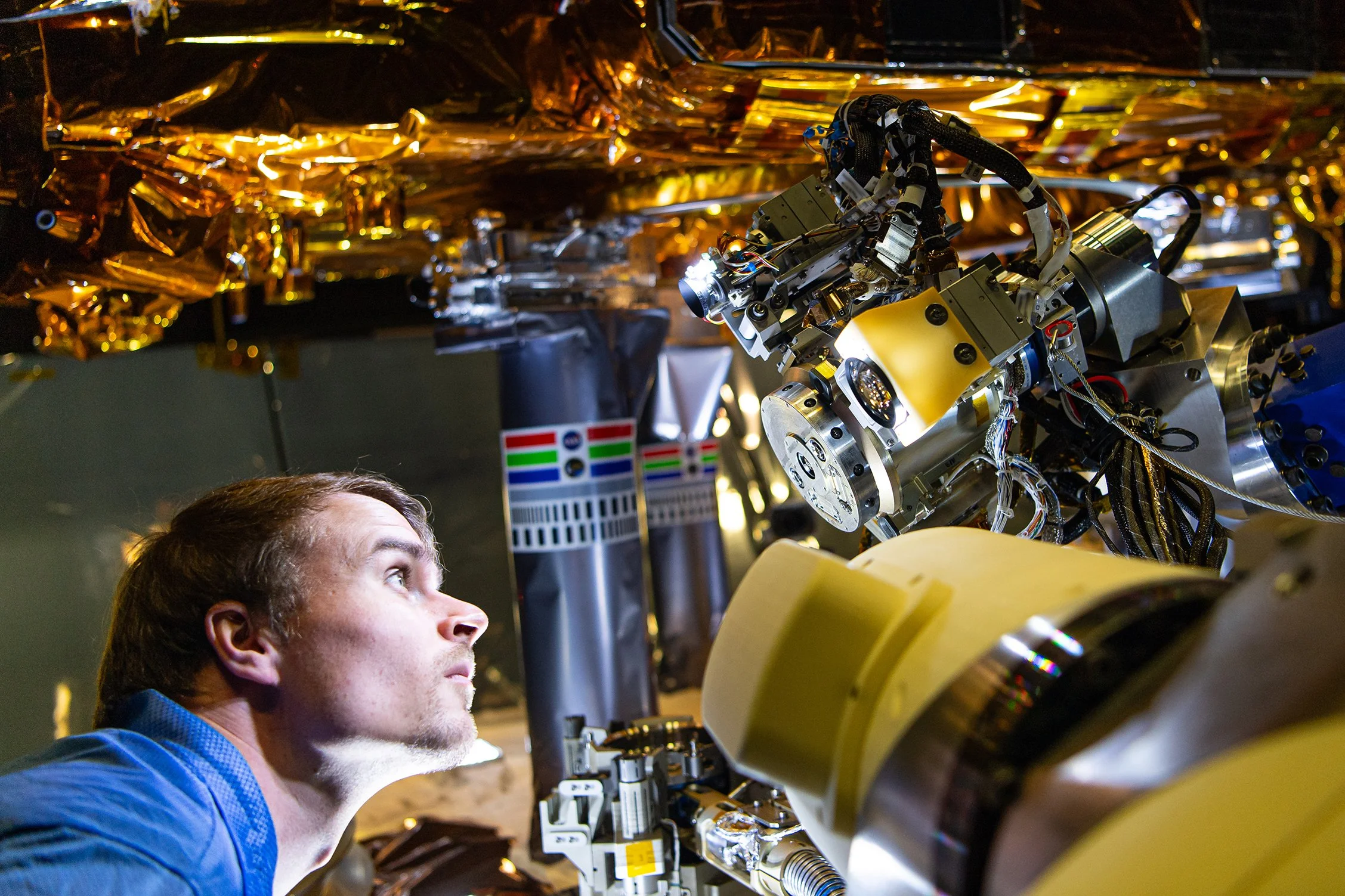
A selection of photos from the OSAM-1 mission during integration and testing phase.
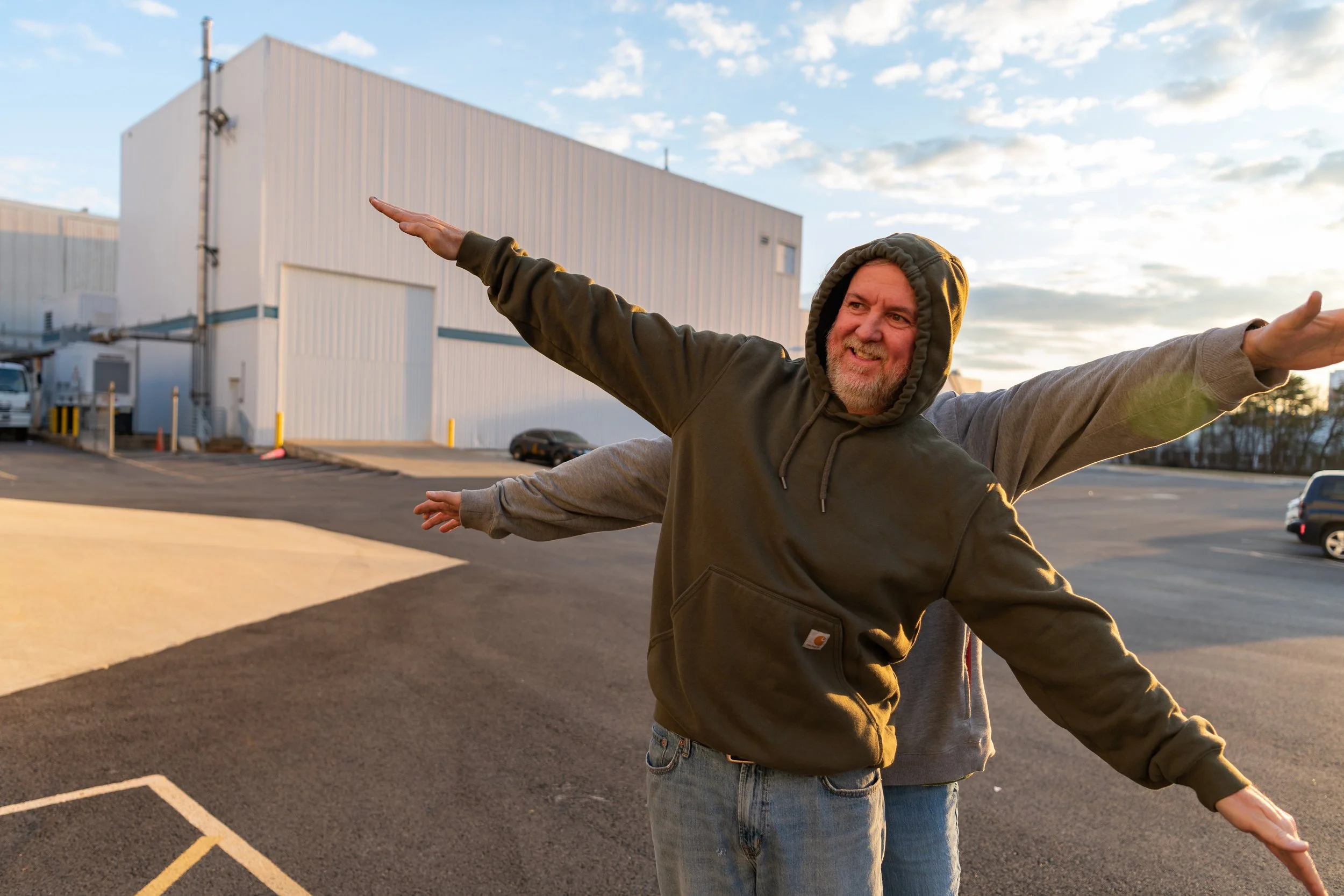
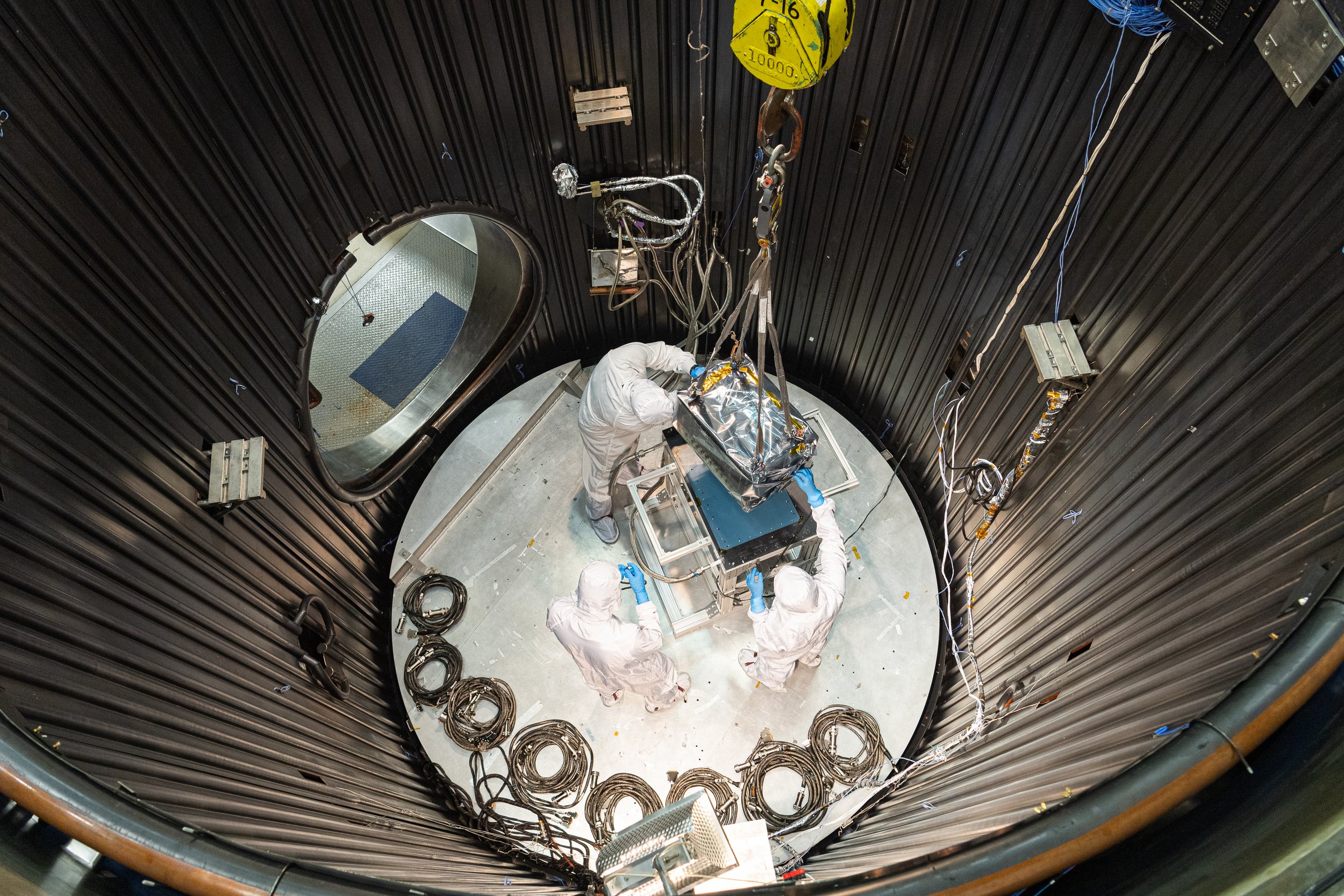
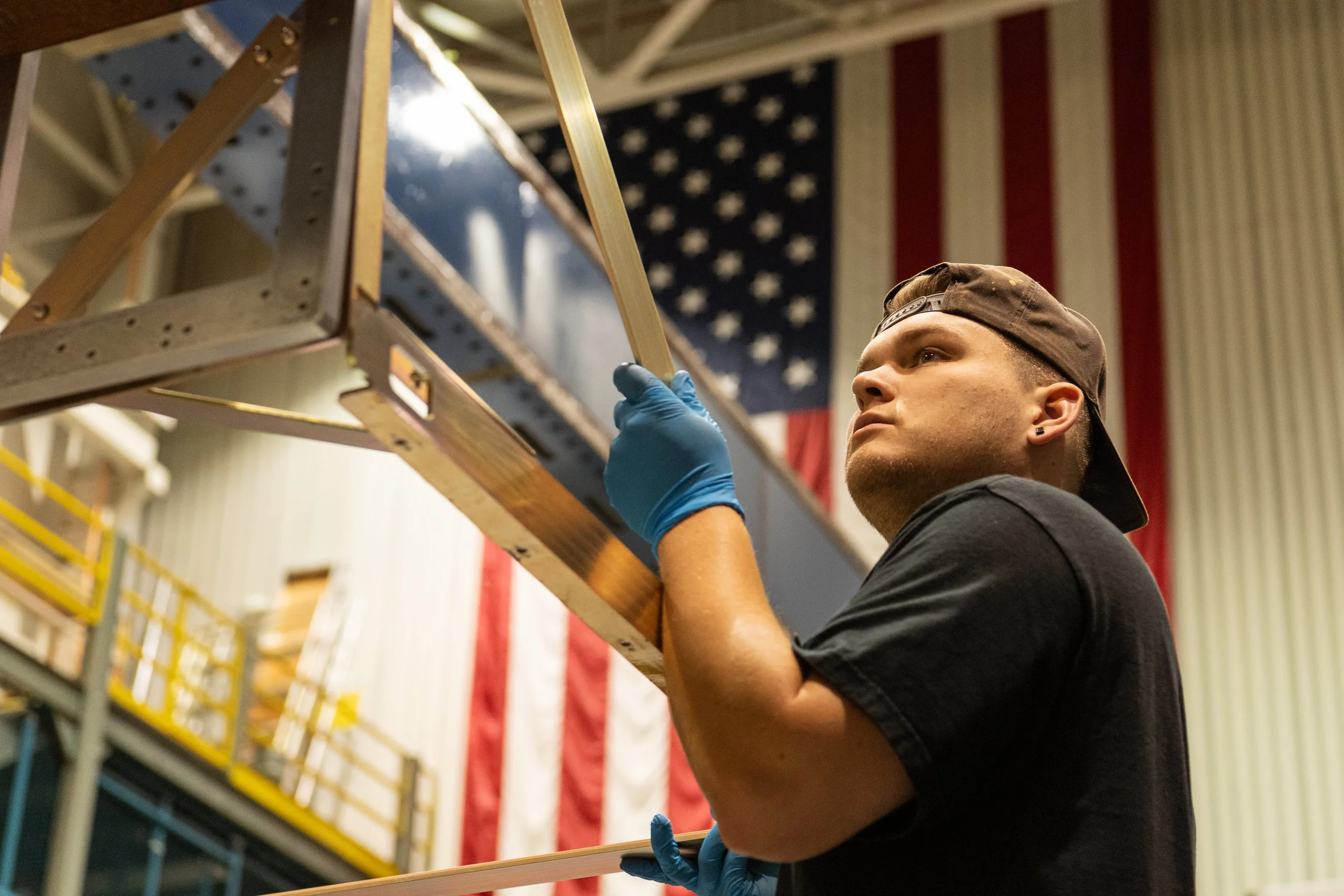
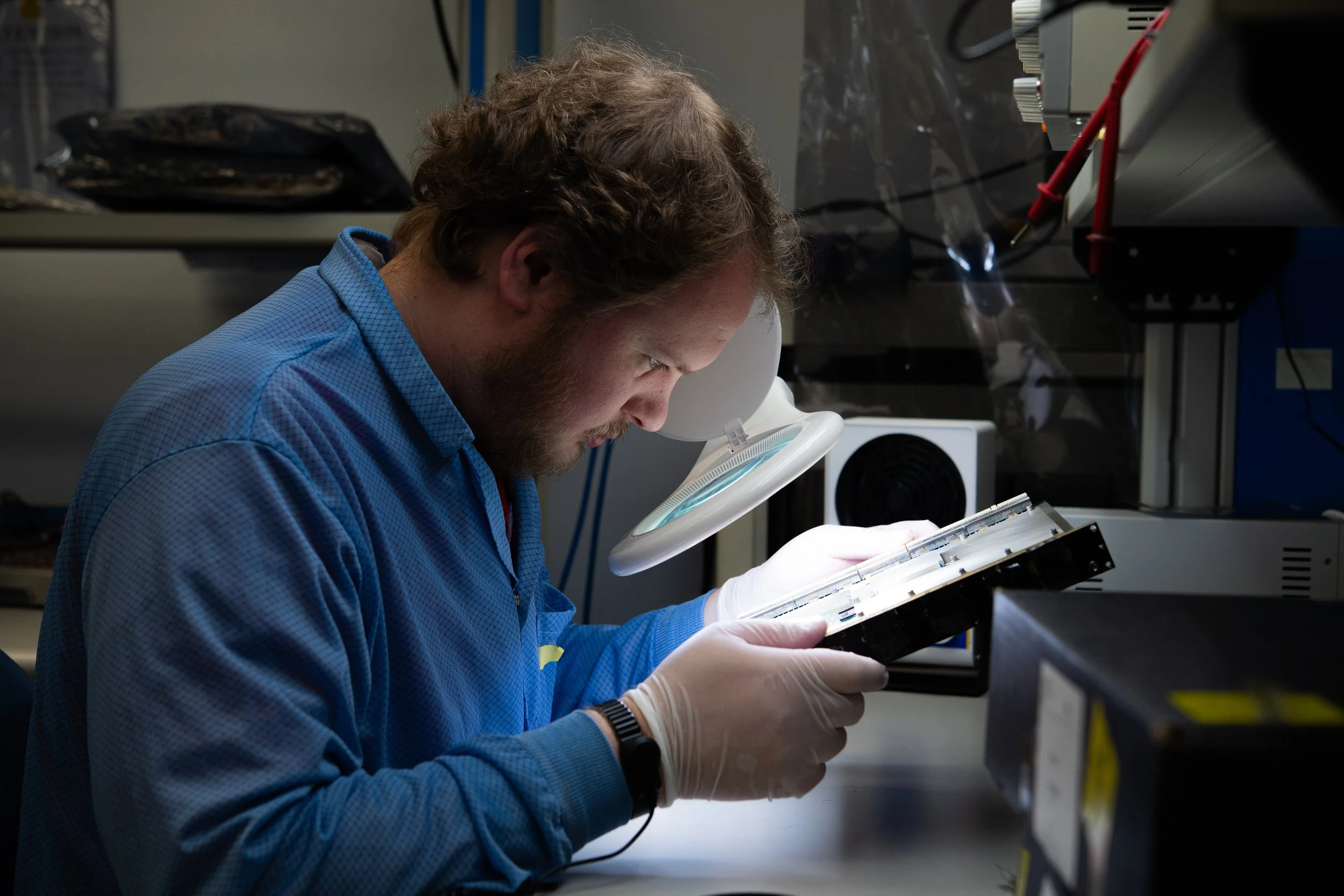
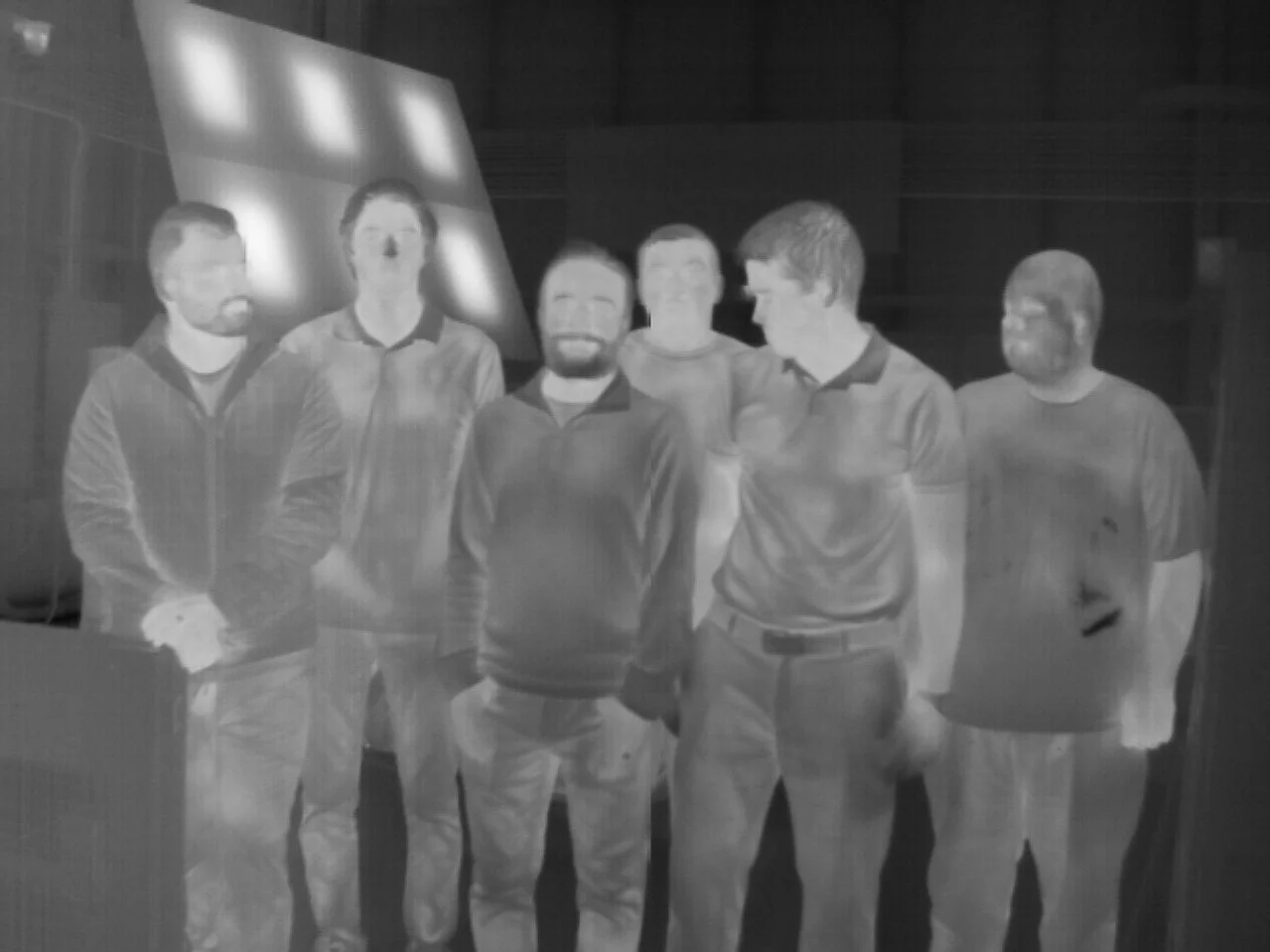
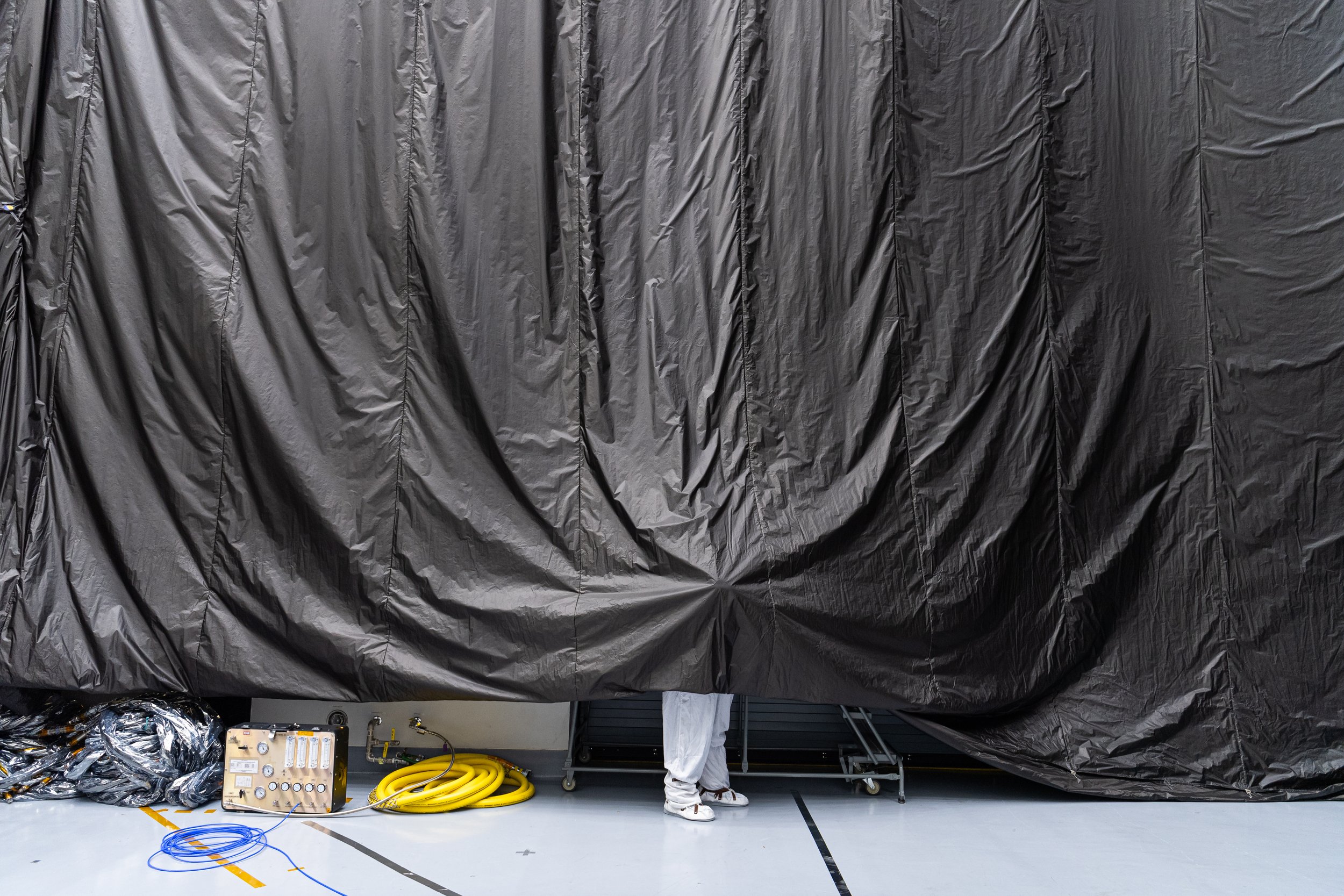
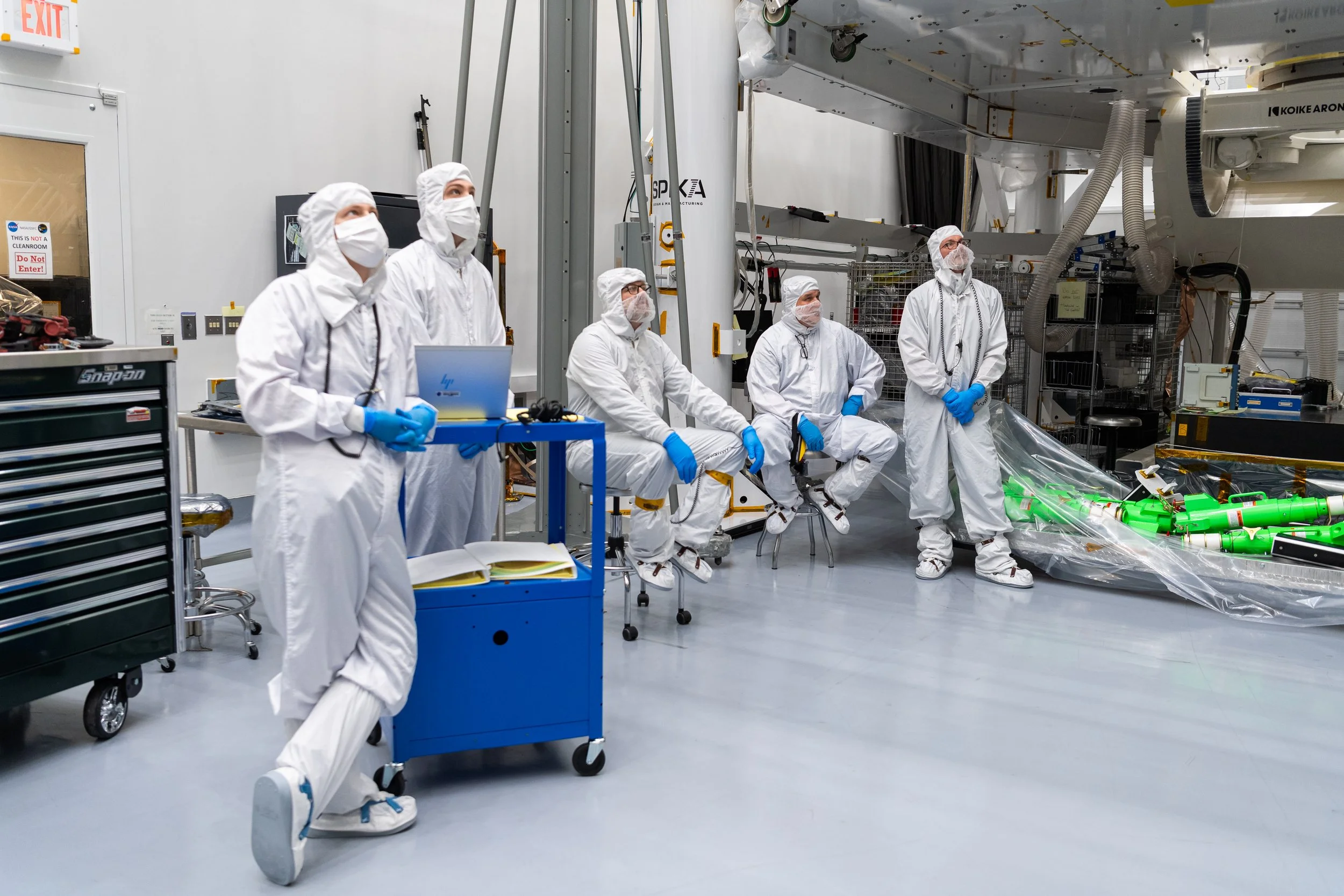
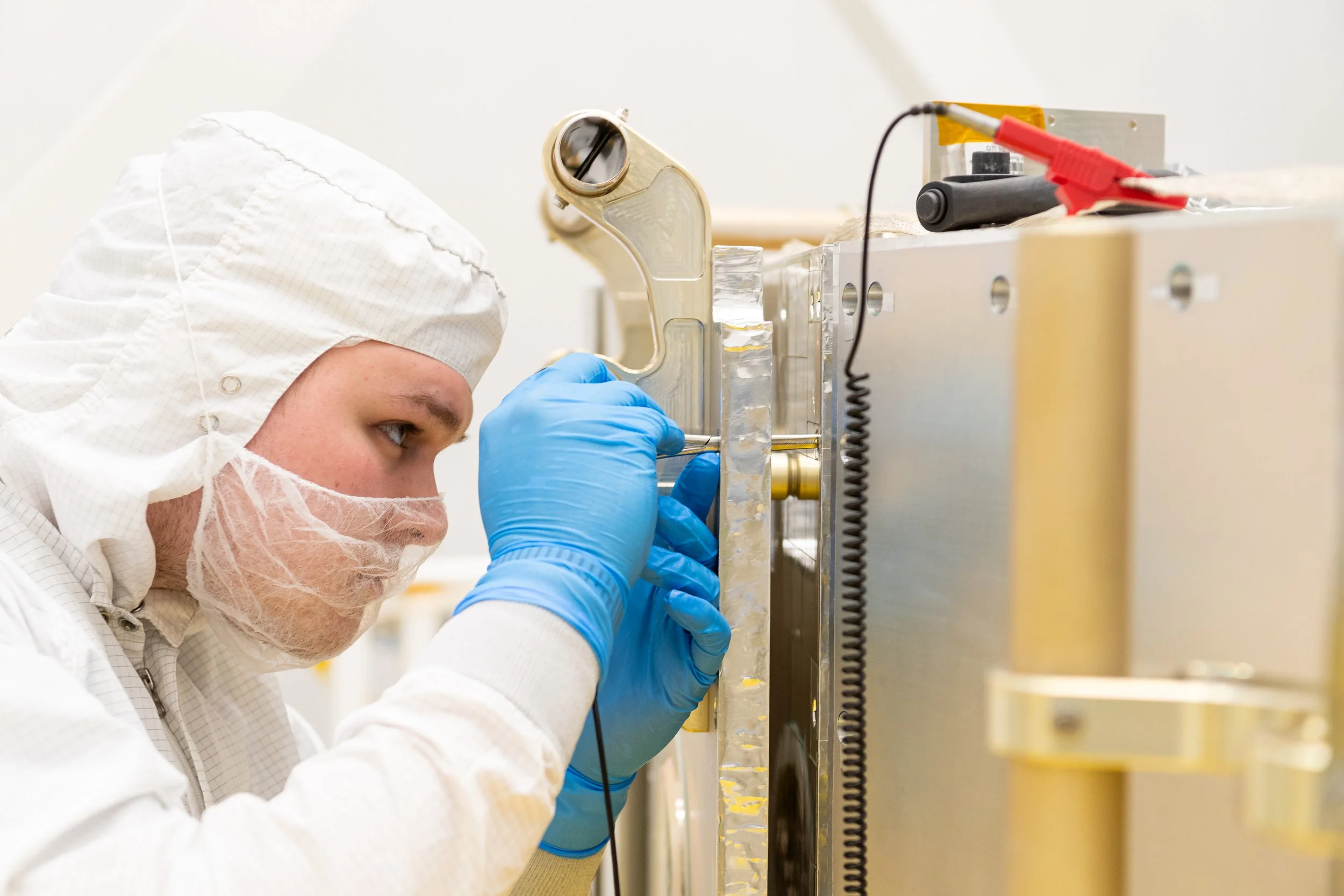
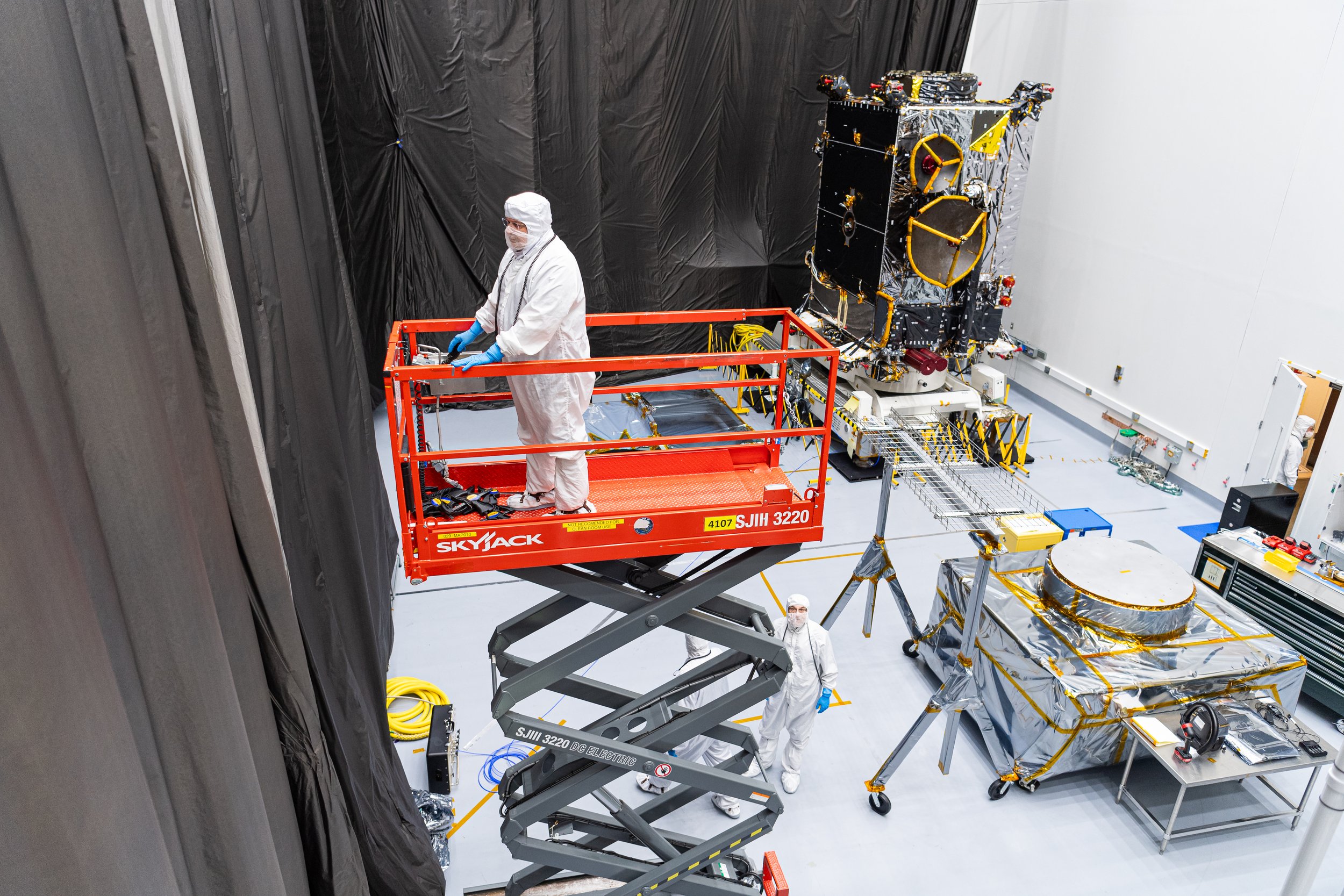
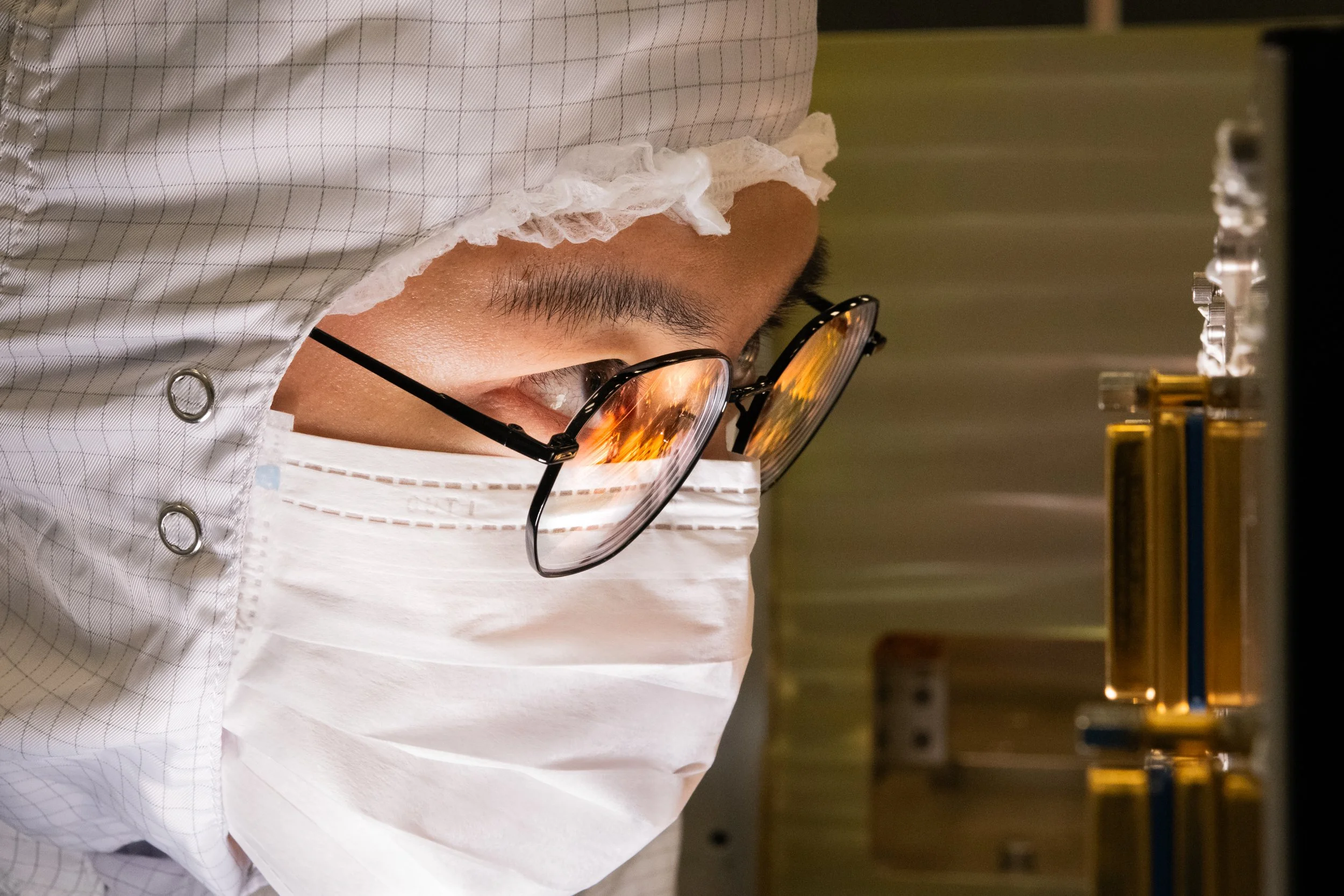
I take a lot of photos every day. Most of them are technical imagery used for engineering design and testing. Those photos you will never see, either due to the fact that you would not find them interesting or because they are considered controlled unclassified information (CUI). However my day job puts me in the room with very interesting people and very interesting activities. I try to photograph these things to as time allows and sometimes, these photos get approved for public release. The following photographs were all taken throughout the integration and testing phase of the On-Orbit Servicing Assembly and Manufacturing 1 Mission (OSAM-1). They have all been reviewed and approved for public release. These are not all the photos I have taken, and its not all the photos I have released. What you are scrolling through are some of my favorite photographs I have taken throughout my time with OSAM-1. Through these images you can watch the hardware be built up from a couple of circuit boards to a fully assembled spacecraft only a year of testing away from launch. Within these photos you will see the build process, but also the moments in between work when people are simply people, I like those moments especially.
OSAM-1 was a spacecraft that was designed to autonomously rendezvous with, capture, and refuel satellites that were never built to be refueled or repaired. The project was defunded by NASA due to budget constraints, a lot of the people in these photos lost their jobs because of this. The people in these photos are some of the most qualified and capable in their fields and yet, their stories are becoming more and more common each year. We never got to see our hard work launch, despite some people having been with the project for 10 years. The mission had gone through multiple changes in scope and the final year of the project was spent under the threat of cancellation. Despite this, the OSAM-1 team beat out all the odds, completing milestone after milestone to assemble the spacecraft. It broke our hearts when the order was finalized, knowing that despite those long days, and an attention to detail that can be found only at NASA, this mission was being put on the shelf.
These photos, and millions of dollars worth of hardware that are now sitting bagged up in a cleanroom are all thats left of the project until someone decides its worth picking up. personally, I thought this project was so sci-fi and cool and unique.
























How a camera works
If you are interested in learning more about your camera or photography in general, comment below!
Have you ever wondered what makes that iphone camera of yours works so well? Have you ever wondered the differences between todays digital cameras and the old film SLR's used by our parents and grandparents? In this blog post we are going to tackle the science and early history behind how the camera actually does what it does!
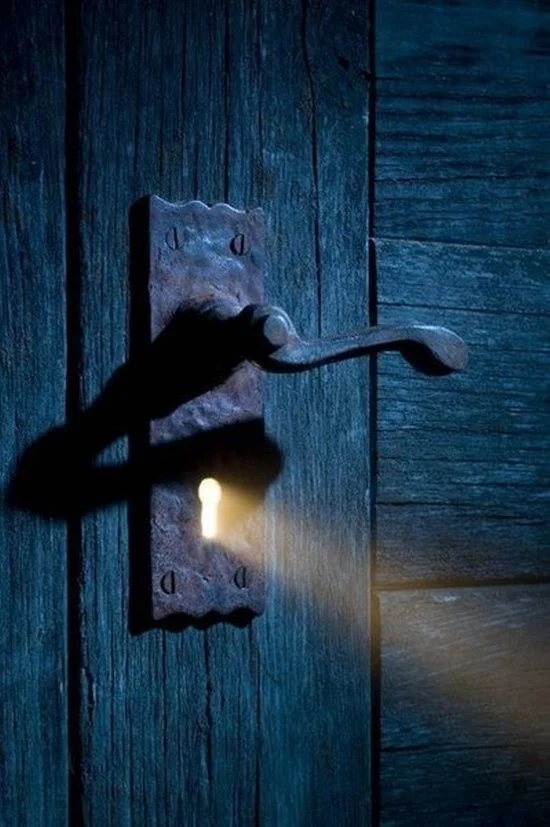
The first thing to know is that light moves in straight lines. We see this all the time, it is not that revolutionary of an observation. Think of light passing through an old vintage keyhole with a light on the other side because you know, that happens all the time....
Now as far back as 400BC, the founder of Mohism, Mo-ti is attributed with the first observation of what happens when light is forced through a pinhole. It is a really weird phenomenon which makes not only a camera, but your visual perception possible. He observed that in a dark room, if you only allow light to enter through one small hole or "aperture" whatever you would see looking out through the hole, is actually projected onto the opposite wall, upside down.
This physical property of light was first called the Camera Obscura. Imagine you are standing in a box, picture that, whatever kind of box you want provided it is 100% sealed from light. It is pretty dark and scary in that box isn't it? We better let some light in....
If you were to take a knife or needle or whatever your preferred poking instrument is... If you were to make a small hole on one side of the box you would be forcing light to travel into that box through a straight line. Now turn around and face the wall opposite the hole.... If your box was located in the Roman forum, you would probably see something that looks like this.

Pretty cool right? It is because of this weird property of light which makes photography possible at all. This is also how your eye works. Your pupil acts like a pinhole in a dark room. You can turn your room into a Camera Obscura like the one shown above. You can also go visit some which are tourist attractions on the West coast (1450 Ocean Ave, Santa Monica, CA 90401) and East coast (Front Street, Mitchell Park, Greenport, NY11944.)
Now if we knew this in 400BC, why did it take until the 19th century to take the first photo? Well! The trick wasn't getting the image on the wall, it was printing the image and making it permanent. The first person to figure this out was Joseph Nicéphore Niépce in 1826 or 1827. He took a photo from his window which looks over his estate. Back in the day, only people wealthy enough to have free time and funds to purchase chemistry sets made photographs. It was thought of as an interesting hobby rather than a form of art.
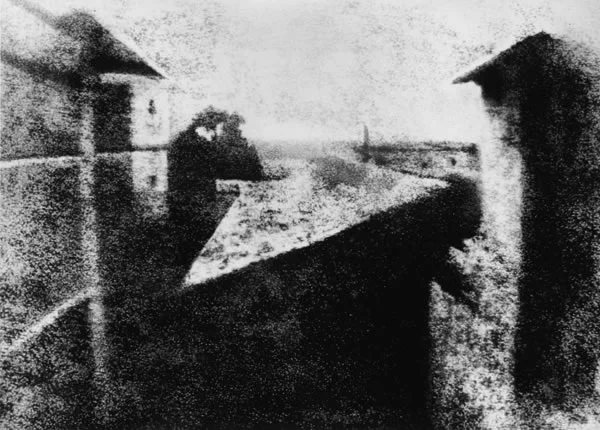
Now in order to get this image, he coated a pewter plate with a solution of bitumen he had previously experimented with. He placed it in the pinhole box (camera) and let the light hit the plate for eight hours, hardening the solution where it was touched by light. After exposing the plate, he rinsed it with lavender oil and white petroleum which washed away the bitumen that had not hardened during the eight hour exposure.
Everything from this point up to the advent of digital cameras has been a refining of this concept and process. Different chemicals were used, lenses were added to the pinhole light-boxes, and people sued each other over copyrights in an attempt to make a quick buck. The pewter plate would turn into metal tins, then glass plates, and eventually film.
It wasn't long before George Eastman's Kodak company brought a refined process to the public on an unprecedented scale. Using light weight film as oppose to heavy glass plates, they sold small film cameras which could be bought, sent to Kodak where they would be processed and printed, and sent back to the customer. Anyone born before 1995 remembers taking their photos on the little yellow kodak cameras and waiting a week to get their film developed.
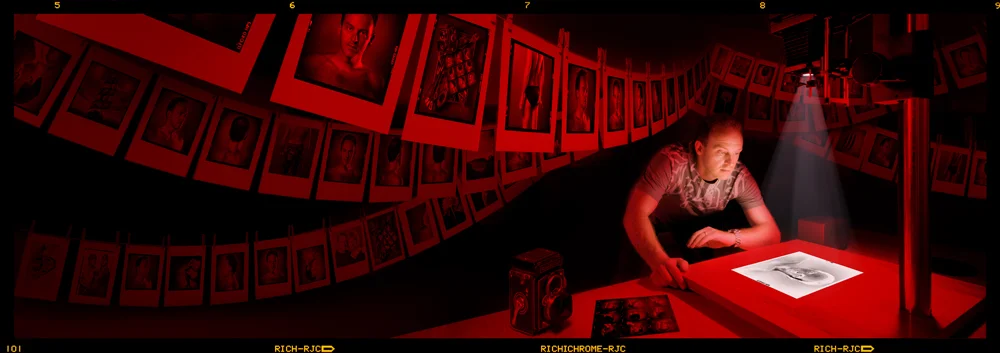
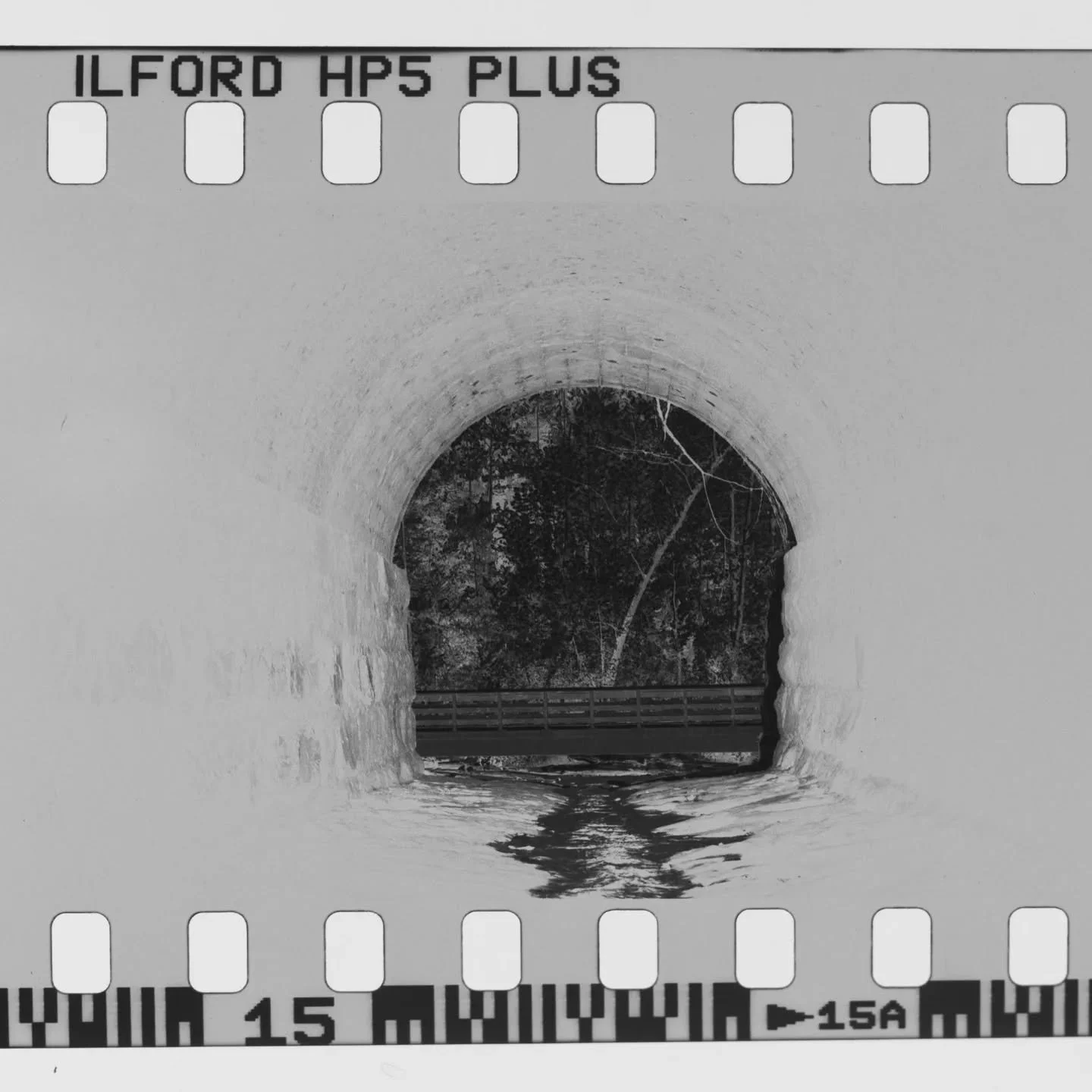
Throughout the 20th century, most photographs you see where gelatin silver prints. These were the modern film SLR cameras used by Ansel Adams, Yousuf Karsh, and even Anne Leibowitz up until digital became the norm. Think about all the old tv shows which show a young scrappy photojournalist who converted a bathroom into their darkroom. Now a digital camera works exactly like a film camera with one important difference...
Instead of film strip sitting on the back wall of our special box, a digital camera has a sensor. I wont go into the detailed process of building it, you can read about it here. But the spoiler is that Steven Sasson, a 24 year old working at Kodak, figured out how to use a Charged Coupling Device (C.C.D.) to capture an image. Instead of physically burning the image onto a light sensitive film, it is burning the image into an electronic signal through the light sensitive CCD panel.
Further and further refinement through innovations of the 21st century have led us to where we are now. Everyone these days has a camera built into their phone. The technology is only going to get better moving forward as it has been for the last century and a half.
Now a days everyone is a photographer. I hope with this blog, we can move forward by making everyone a better photographer. If you are interested in learning more about your camera or photography in general, email me or comment below!
Sources:
http://www.obscurajournal.com/history.php
http://www.hrc.utexas.edu/exhibitions/permanent/firstphotograph/process/#top