


Yousef Karsh - Master Portrait Photographer of the 20th Century
By the time I got back to my camera, he looked so belligerent he could have devoured me. It was at that instant that I took the photograph."
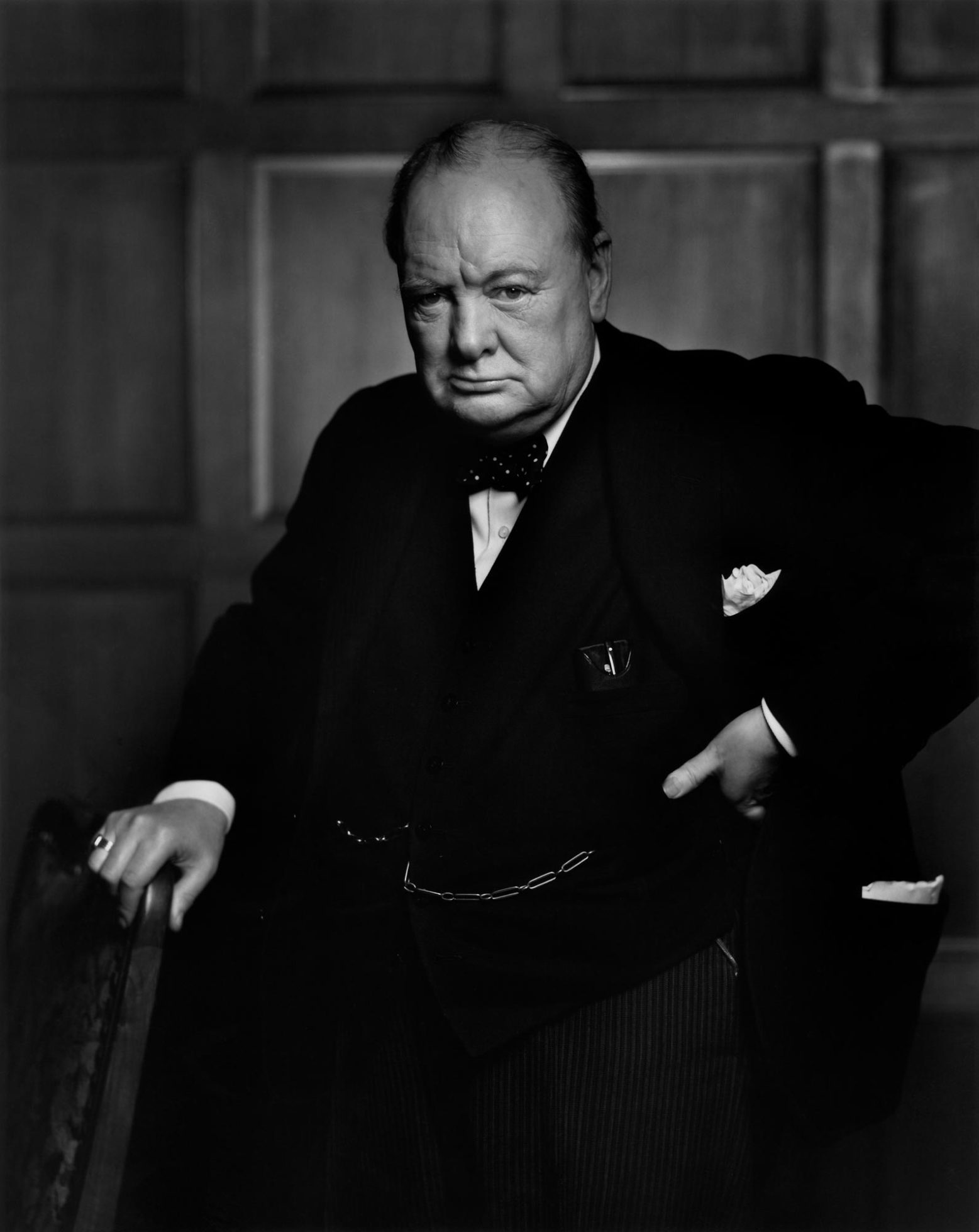
Yousuf Karsh, "Winston Churchill" Digital Scan of Photograph, 1941, http://karsh.org/photographs/winston-churchill
Winston Churchill was Prime Minister of the United Kingdom from 1940-45 and 1951-55. He is remembered by history as a strong leader, crass, and brutish. He was a bull dog of a man and chain smoked big fat cigars. This is however a photography blog, so we are going to discuss not the Englishman, but the Armenian immigrant who lived in Canada.
Yousuf Karsh was a portrait photographer in the twentieth century and one of my favorite photographers of all time. Karsh himself admits....
“My portrait of Winston Churchill changed my life. I knew after I had taken it that it was an important picture, but I could hardly have dreamed that it would become one of the most widely reproduced images in the history of photography.”
Churchill was visiting Ottowa, giving speeches to rally the world to the cause of defeating Hitler and Mussolini. You can listen to the highlights of the speech here.
Anyway, As Karsh explains the encounter, Churchill was being escorted by Canadian Prime Minister Mckenzie King and their entourages. Having no idea Canada was planning a photo op...
"I switched on my floodlights; a surprised Churchill growled, ‘What’s this, what’s this?’ No one had the courage to explain."
After timidly explaining he would like to create a portrait for the occasion, Churchill lit a cigar, began to puff, and relented.... "You may take one."
Refusing to give up his cigar, Karsh began double checking all the settings on his lights and camera and probably shaking a little under the pressure of getting it perfect in one shot. Karsh explains the rest of the story best....
"He continued to chomp vigorously at his cigar. I waited. Then I stepped toward him and, without premeditation, but ever so respectfully, I said, ‘Forgive me, sir,’ and plucked the cigar out of his mouth. By the time I got back to my camera, he looked so belligerent he could have devoured me. It was at that instant that I took the photograph."
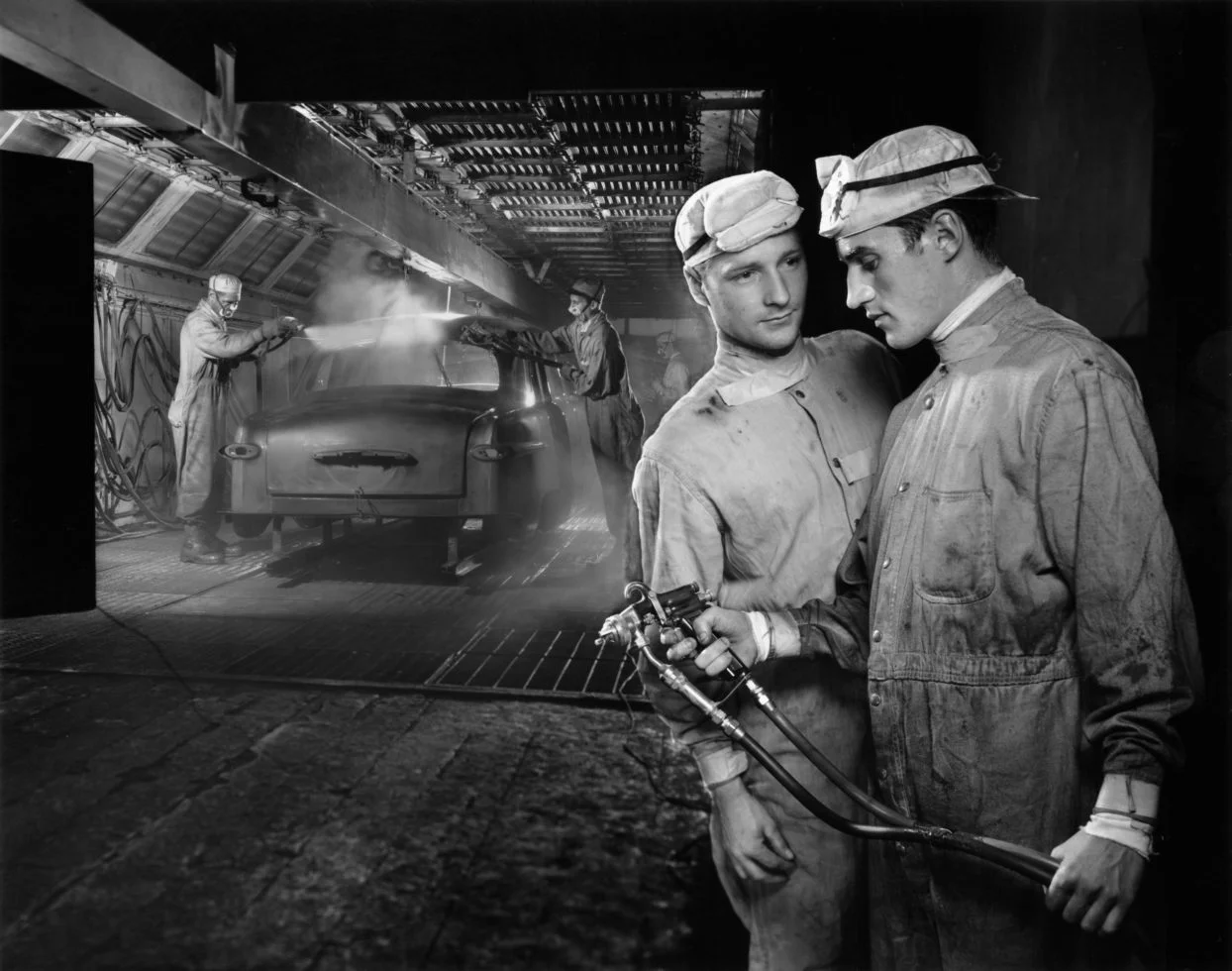
Karsh is one of the most notable photographers of his time, creating portraits of Bogart and Bacall, the Apollo II crew, and Muhammad Ali, to name just a few. This photo he did for Ford of Canada is a testament to his compositional and lighting expertise. It is difficult to understand the amount of thought that goes into these photos unless you have taken one with a film SLR before.
In general, Karsh's portraits can be described as simple but intimate. Each portrait he takes seems to capture the subject in an unscripted moment of internal thought. This is ever present in the hopeful stare of Martin Luther King Jr. the Civil Rights leader. You can also see it in Ernest Hemingway's detached stare into the distance, Muhammad Ali's confident smile, or Andy Warhol's playful gaze.


When you photography tells you capturing the essence of the subject in your photo, this is what they have in mind. Yousuf Karsh could write the book on photographing people. His style is simple and to the point, we can all learn a lot by staring at his photographs. His understanding of light, exposure, and his camera is nothing short of admirable.
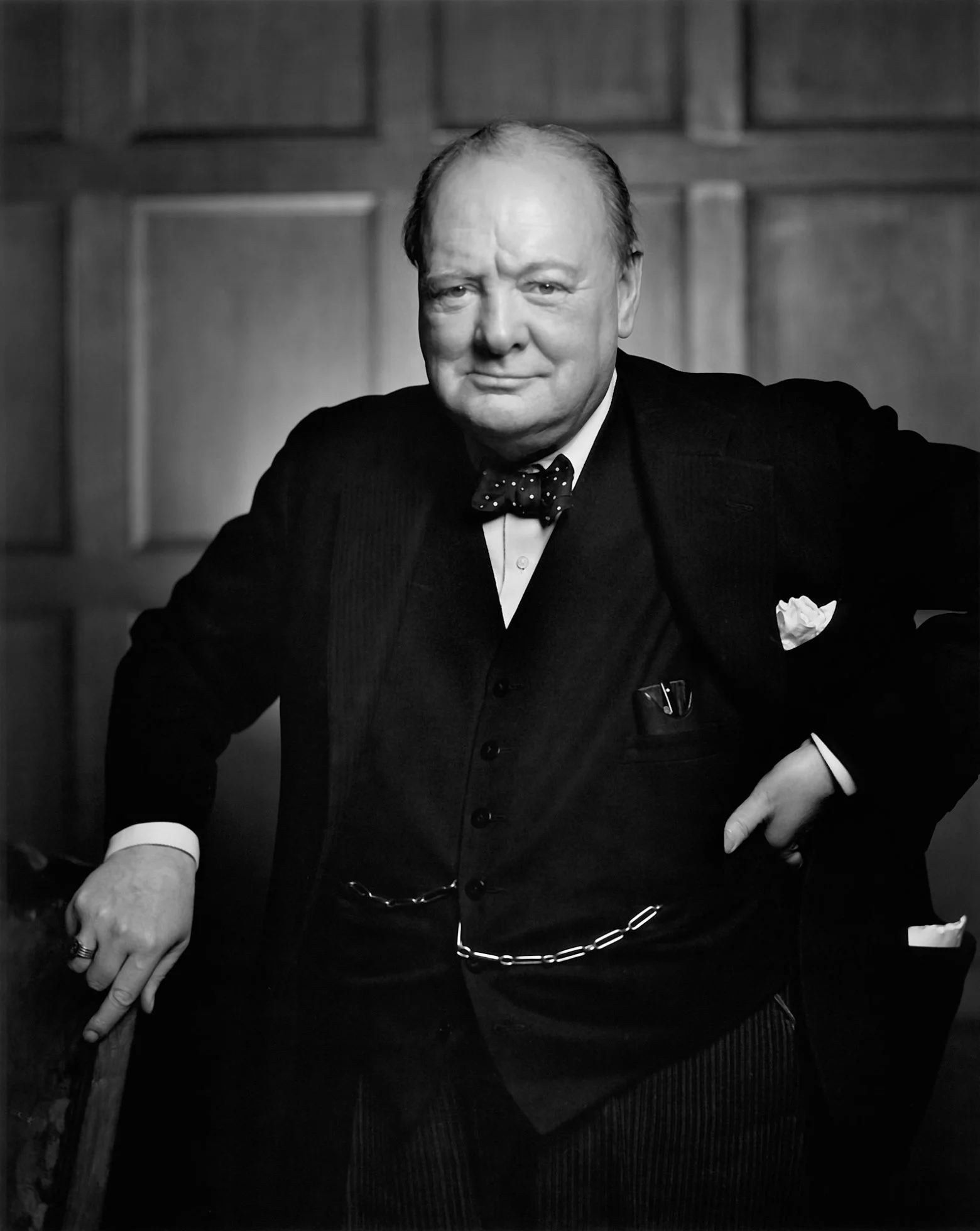
Just remember if you work hard enough, you can move mountains. And if you're as good as Yousuf Karsh you can get the belligerent Churchill to smirk.

How a camera works
If you are interested in learning more about your camera or photography in general, comment below!
Have you ever wondered what makes that iphone camera of yours works so well? Have you ever wondered the differences between todays digital cameras and the old film SLR's used by our parents and grandparents? In this blog post we are going to tackle the science and early history behind how the camera actually does what it does!
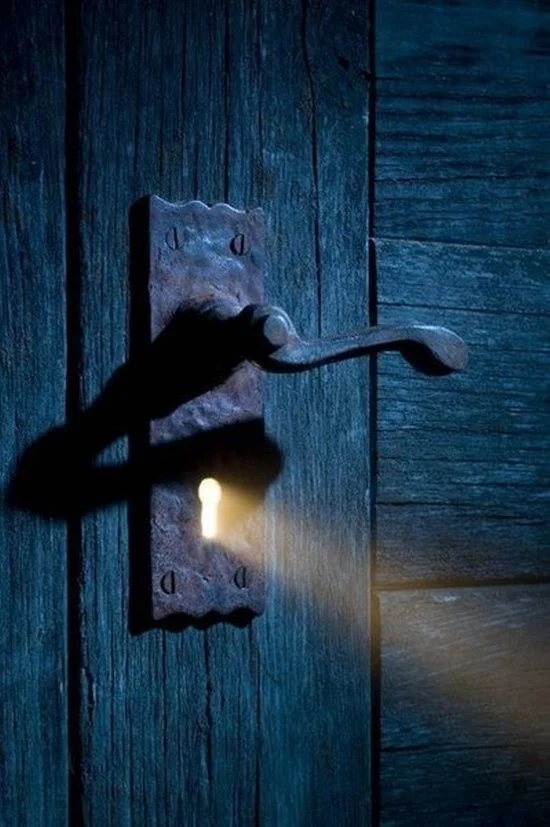
The first thing to know is that light moves in straight lines. We see this all the time, it is not that revolutionary of an observation. Think of light passing through an old vintage keyhole with a light on the other side because you know, that happens all the time....
Now as far back as 400BC, the founder of Mohism, Mo-ti is attributed with the first observation of what happens when light is forced through a pinhole. It is a really weird phenomenon which makes not only a camera, but your visual perception possible. He observed that in a dark room, if you only allow light to enter through one small hole or "aperture" whatever you would see looking out through the hole, is actually projected onto the opposite wall, upside down.
This physical property of light was first called the Camera Obscura. Imagine you are standing in a box, picture that, whatever kind of box you want provided it is 100% sealed from light. It is pretty dark and scary in that box isn't it? We better let some light in....
If you were to take a knife or needle or whatever your preferred poking instrument is... If you were to make a small hole on one side of the box you would be forcing light to travel into that box through a straight line. Now turn around and face the wall opposite the hole.... If your box was located in the Roman forum, you would probably see something that looks like this.

Pretty cool right? It is because of this weird property of light which makes photography possible at all. This is also how your eye works. Your pupil acts like a pinhole in a dark room. You can turn your room into a Camera Obscura like the one shown above. You can also go visit some which are tourist attractions on the West coast (1450 Ocean Ave, Santa Monica, CA 90401) and East coast (Front Street, Mitchell Park, Greenport, NY11944.)
Now if we knew this in 400BC, why did it take until the 19th century to take the first photo? Well! The trick wasn't getting the image on the wall, it was printing the image and making it permanent. The first person to figure this out was Joseph Nicéphore Niépce in 1826 or 1827. He took a photo from his window which looks over his estate. Back in the day, only people wealthy enough to have free time and funds to purchase chemistry sets made photographs. It was thought of as an interesting hobby rather than a form of art.
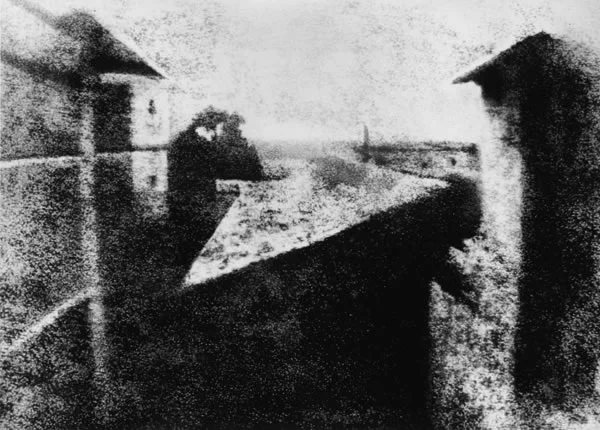
Now in order to get this image, he coated a pewter plate with a solution of bitumen he had previously experimented with. He placed it in the pinhole box (camera) and let the light hit the plate for eight hours, hardening the solution where it was touched by light. After exposing the plate, he rinsed it with lavender oil and white petroleum which washed away the bitumen that had not hardened during the eight hour exposure.
Everything from this point up to the advent of digital cameras has been a refining of this concept and process. Different chemicals were used, lenses were added to the pinhole light-boxes, and people sued each other over copyrights in an attempt to make a quick buck. The pewter plate would turn into metal tins, then glass plates, and eventually film.
It wasn't long before George Eastman's Kodak company brought a refined process to the public on an unprecedented scale. Using light weight film as oppose to heavy glass plates, they sold small film cameras which could be bought, sent to Kodak where they would be processed and printed, and sent back to the customer. Anyone born before 1995 remembers taking their photos on the little yellow kodak cameras and waiting a week to get their film developed.
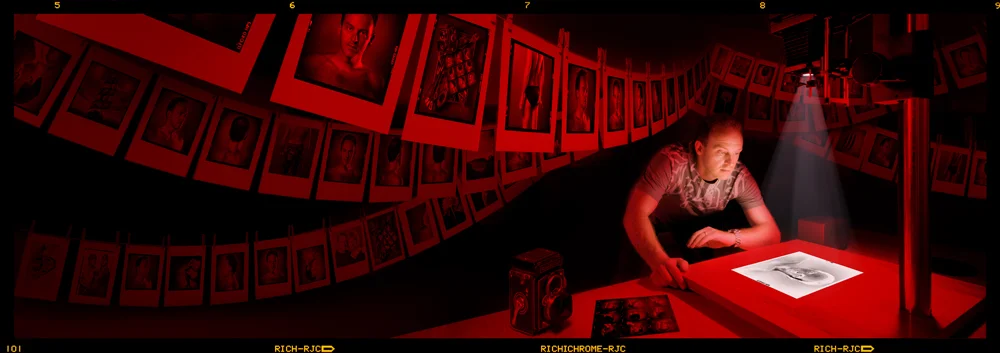
Throughout the 20th century, most photographs you see where gelatin silver prints. These were the modern film SLR cameras used by Ansel Adams, Yousuf Karsh, and even Anne Leibowitz up until digital became the norm. Think about all the old tv shows which show a young scrappy photojournalist who converted a bathroom into their darkroom. Now a digital camera works exactly like a film camera with one important difference...
Instead of film strip sitting on the back wall of our special box, a digital camera has a sensor. I wont go into the detailed process of building it, you can read about it here. But the spoiler is that Steven Sasson, a 24 year old working at Kodak, figured out how to use a Charged Coupling Device (C.C.D.) to capture an image. Instead of physically burning the image onto a light sensitive film, it is burning the image into an electronic signal through the light sensitive CCD panel.
Further and further refinement through innovations of the 21st century have led us to where we are now. Everyone these days has a camera built into their phone. The technology is only going to get better moving forward as it has been for the last century and a half.
Now a days everyone is a photographer. I hope with this blog, we can move forward by making everyone a better photographer. If you are interested in learning more about your camera or photography in general, email me or comment below!
Sources:
http://www.obscurajournal.com/history.php
http://www.hrc.utexas.edu/exhibitions/permanent/firstphotograph/process/#top
What the numbers on lenses mean.
Quick guide to what all those numbers on your camera lens means.
Hello! If you want to dip your feet into the world of photography, buying your first SLR can be a daunting task. Through a series of blogs I hope to help you make informed decisions and possibly learn a little extra about photography and your camera long the way.
Today we are going to tackle LENSES and what all those little numbers mean.
Now depending on what camera you have you may have to pay attention to different things. I have worked with the two most popular brands, Canon and Nikon primarily, which is what I will be talking about here. No matter what camera brand you have, the numbers indicate the same things, though they may be presented differently or in different places on the lens.
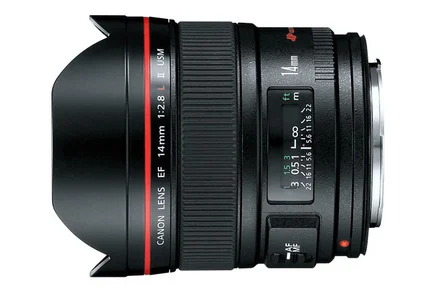
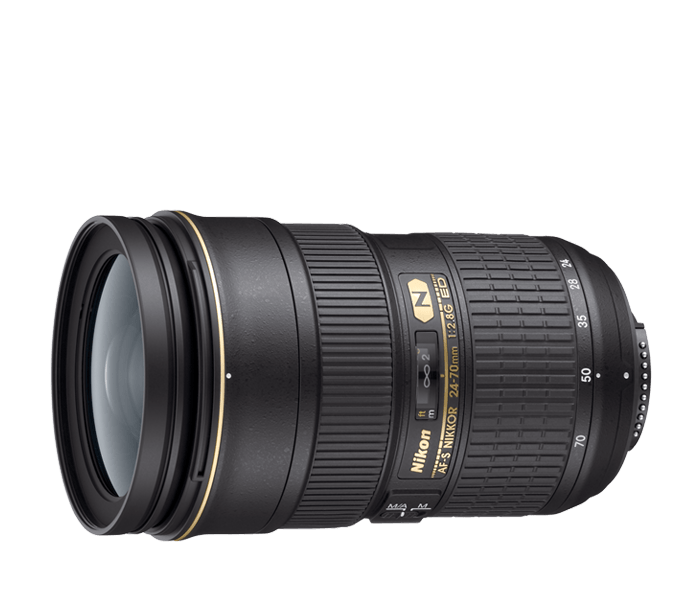
Pictured above on the left is a Canon Lens. If you see a red ring like the one above it is probably an expensive lens. Nikon has the same mark except their ring is gold as seen above. In 2003, Canon introduced the EF-S lens mount, a derivative of the EF mount that is strictly for digital EOS cameras released after 2003. EF lenses can be mounted on EF-S bodies but EF-S lenses cannot be mounted on EF bodies. Simply put, if your lens is newer, it wont go on an old body. Nikon on the other hand has not changed their mounting system which is one reason I shoot Nikon. My lenses will still work on an old film SLR.
**EDIT: Nikon has updated their mounts for their mirrorless systems. The Z mount lenses work with their line of Z mirrorless bodies. However the Traditional DSLR’s still use the same mounts.
On both cameras, the front rubber grip is the focal ring. On a Nikon you spin clockwise to zoom in, on a canon you spin counterclockwise. Just beneath the red ring, you see "Canon Lens EF 14mm 1:2.8 L II USM." On the nikon the lens description is located in the center of the lens. It says "AF-S NIKKOR 24-70mm 1:2.8G ED So lets break all that down.
FOCAL LENGTH:
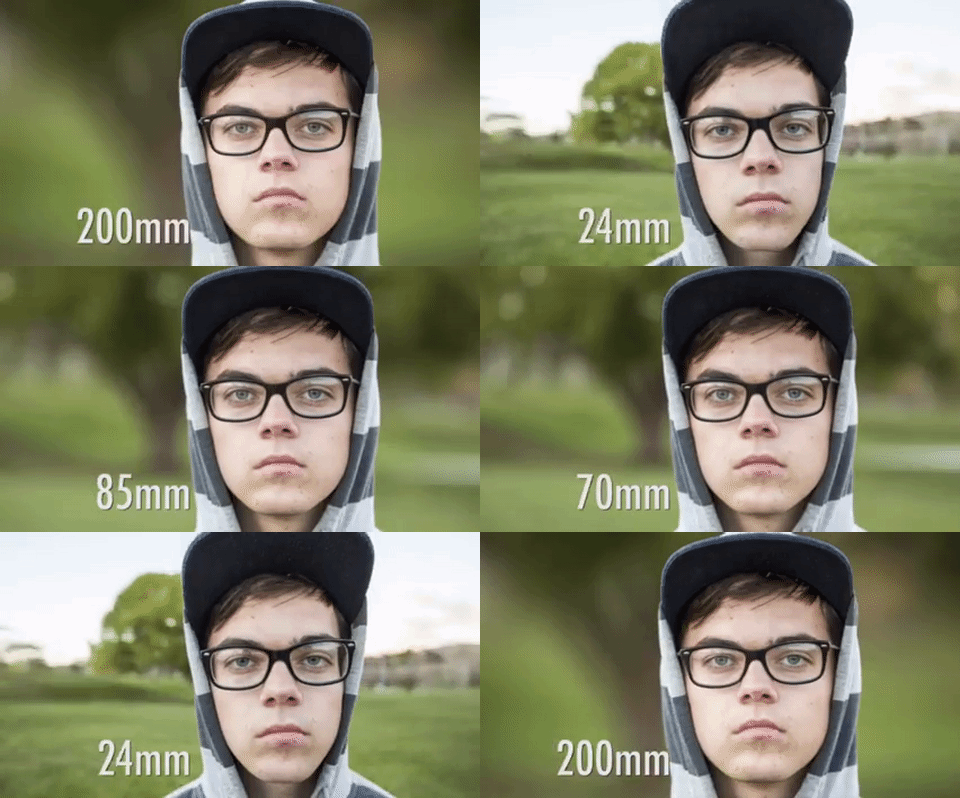
The canon shown here is a wide angle lens. That is what the "14mm" indicates. Anything below 50mm is considered a "wide" lens. This allows you to see more of what is in front of the camera, but it also distorts the image more and more the lower you get. This image below is a solid visualization of it. Wide lenses are usually used for landscapes. It is also the type used in smartphones.

Now the canon only shows one number. This means it is a fixed lens, it does not zoom. The Nikon said 24-70mm which means you can zoom from you guessed it, 24mm to 70mm. At this end, anything above 50mm is considered a telephoto lens. This will make things that are very far away look close up. This is really nice if your shooting a kids soccer game from the stands. However a telephoto can distort a photo via compression. In the gif below, watch how the tree in the background seems closer and closer to the subject as the focal distance increases. What the gif doesn't show you, is as the photographer zooms in, he is also backing up away from the subject.
Aperture/Speed
The speed of a lens. This refers to the aperture or "F-stop." The ratio number 1:2.8 indicated on both lenses tells you the maximum aperture is F2.8 The numbers are counter intuitive, the smaller the number the bigger the opening of the pinhole (Remember my previous post "how your camera works".) The bigger the opening the more light is allowed in. The faster your lens, the less light you need. This becomes very helpful when you are shooting indoors or at dusk.
Usually on less expensive lenses you will see a maximum aperture that varies. For example, on the Fujifilm lens below: You see 1:2.8-4 Now this lens is a 18-55mm so what it all adds up to is at 18mm, your max aperture is F2.8, but as you zoom in, your max aperture will get slower and slower until the widest your lens will open is F4 at 55mm. One of the reasons the pros pay so much for lenses is because they want 2.8 or faster no matter what focal length.

So that is it for the numbers, only thing we left out is a seemingly random assortment of letters. The letters on the lenses always refer to either the model, or a certain bell/whistle the lens may have. All of the Nikon abbreviations can be found here. and for Canon, click here.
If I did not answer all of your lens based questions, comment below or find me on instagram and threads! I also want to hear what you have to say, do you have a favorite lens? Do you have other questions about the camera or photography that you want to know? You can use my contact page or comment below! Or find me on IG!

Yosemite
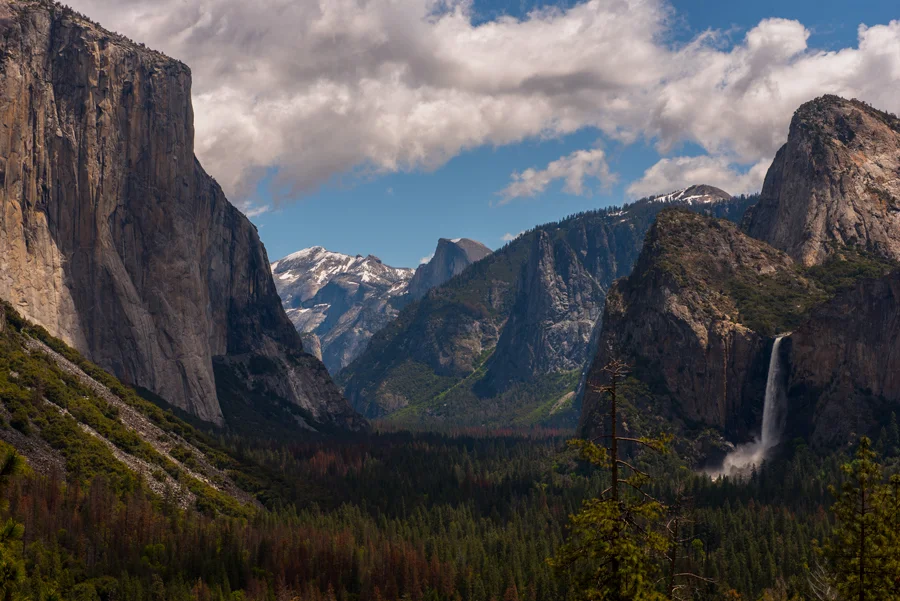
“If future generations are to remember us with gratitude rather than contempt, we must leave them something more than the miracles of technology. We must leave them a glimpse of the world as it was in the beginning, not just after we got through with it.... Once our natural splendor is destroyed, it can never be recaptured. And once man can no longer walk with beauty or wonder at nature, his spirit will wither and his sustenance be wasted.”

John Muir and Lyndon Johnson successfully lobbied Congress to establish Yosemite as a National Park on October 1, 1890. Part of this success was due to a photographer named Ansel Adams. Adams portfolio of the Sierra Nevadas and Yosemite were very influential in their efforts to argue for a protected wilderness.
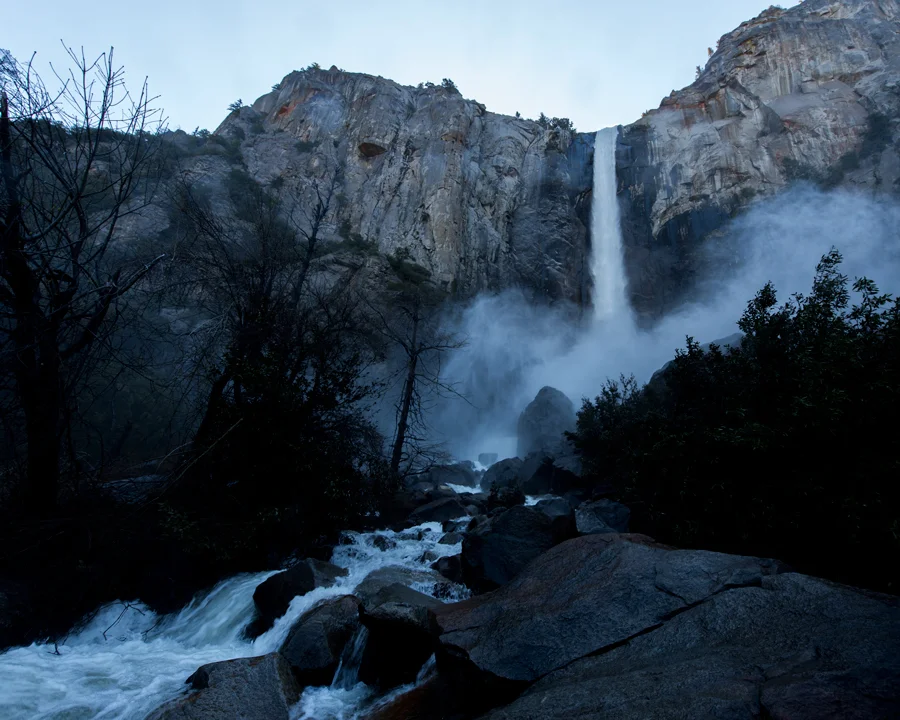
For the past couple years I have been obsessing over Adams photographs, as well as some instagram accounts of photographers who have traveled to this "Mecca of landscape photography" When Meredith surprised me with a map and airplane tickets to California I was beyond words. I have seen just every photo there is of the Valley and its surrounding granite peaks. So when I tell you that seeing these photos Ansel or any other photographer has taken does not do the park justice, believe me. There is something about your peripheral vision which cannot be captured in a 2x3 frame of a camera that allows you to take in the scale of where you are standing. When you can walk up to the base of El Capitan and look 3000' straight up the granite wall you are left with a sense of wonder. The majesty of half dome, as the sun sets from almost anywhere in the valley becomes electric. The water rushing down Yosemite falls crushing the rocks below fills you with a sense of fragility that only nature can bestow.
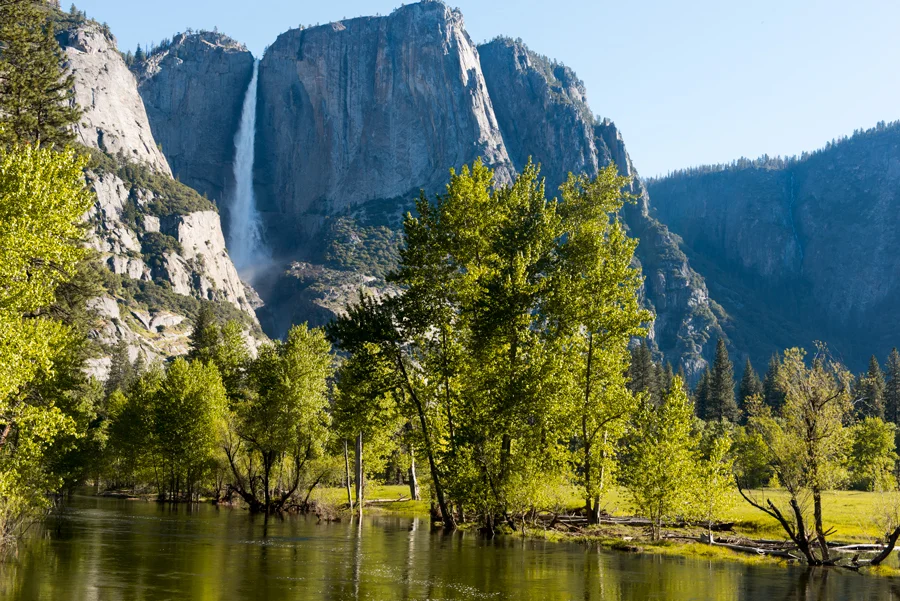
If I could leave you with only one idea, it would be to value these National Parks. To allow them to operate efficiently, through proper funding and management so that You, I, and everyone from now until eternity can visit these parks, and share in the sense of wonderment which I have felt.
You can follow me and the photos I have captured on Instagram or by subscribing to this blog!




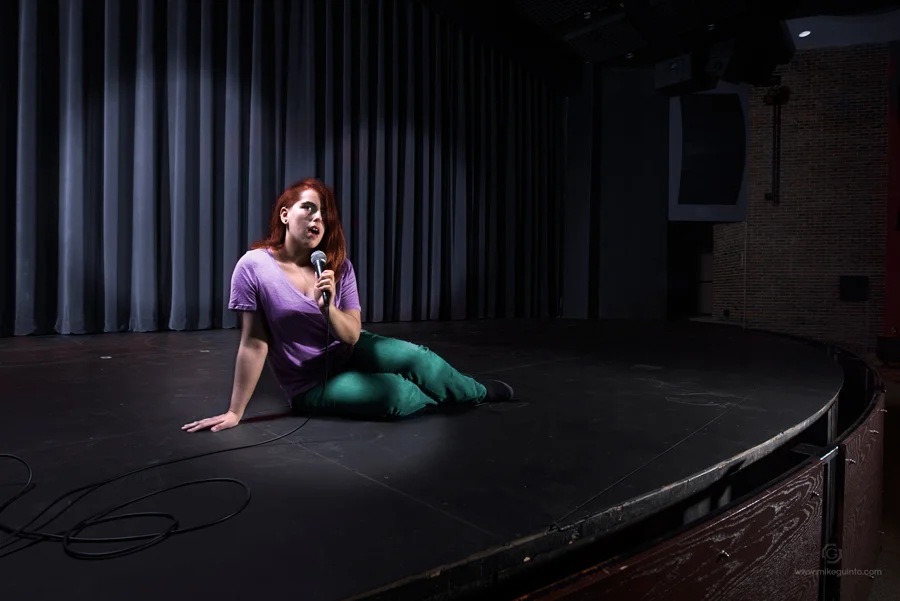
Out of the Woods
See a photographers modern take on classic fairy tale characters. If Disney princesses were 21st century college students.
At one point in your life, you will experience a sort of crucible. An event which influences your perception of the world and tests your inner character. Whether or not you rise to the challenge, you come out a changed person. The old fairy tales and stories which have been passed down through generations illustrated this concept through a common motif. The Dark Woods, the Enchanted forest, whatever the name the character usually came out on the other side stronger with fewer illusions about the world around them.
My goal is to bring these characters into the 21st century, exploring the fictional characters classic motifs using modern college student experiences. Thus establishing the relationship between the past and present. Maybe you see yourself in these characters as you did growing up reading about them or watching TV.
As a veteran, I understand first hand that you learn a lot of things when you enlist into the military. Aside from how to accurately fire a rifle or applying a tourniquet, you learn how to become a functioning adult. When I returned to college after five years of active duty, I saw these kids in college going through similar life lessons. I would argue that college is to these students what the forest was for snow white, or the military was for myself: a coming of age ritual.
These portraits debut at the DOWD Fine Arts Center at SUNY Cortland March, 2017. You can see them all here of course. I hope to grow this collection and maybe revisit some of the characters.




Jaw Droping 360 Pano of Night Sky!
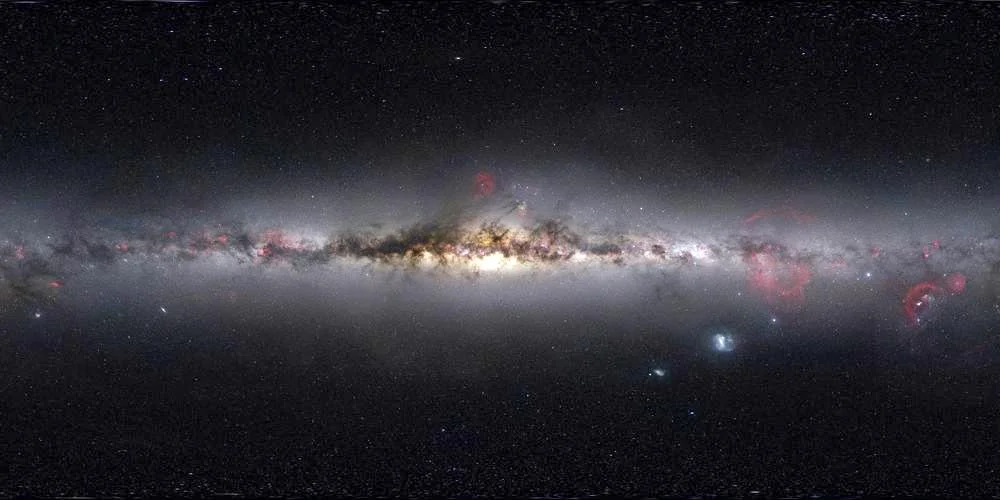
Photographer captures largest photograph of night sky ever. In order to take this, Nick Risinger had to trek over 60,000 miles across the western United States and South Africa starting in March 2010, according to PetPixel.com. You can view the original article Here.
The image is a composite of 37,000 separate images. You can view the whole interactive panorama HERE. Zoom and traverse the HD night sky in true color.
Now this is one of the most amazing endeavors I have seen in the photography world in a while. I think it deserves some credit. I don't know about some of you, but I will be gawking at this photo for some time, learning and spotting constellations around the galaxy.
Nick Risinger is actually a photographer and designer from Seattle, Washington. You may not know his name, but he is the guy behind the iPhone and iPad app "Sky Guide."